

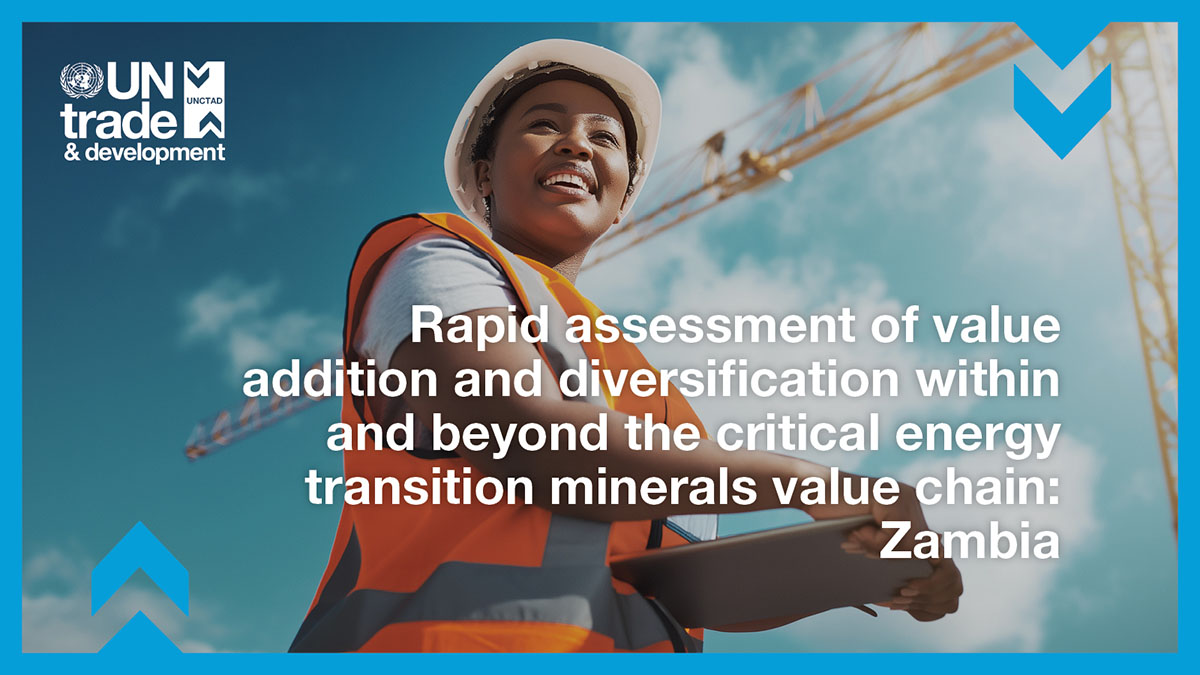
On 17 February 2026, UN Trade and Development (UNCTAD), through its Extractive Commodities Section within the Division of International Trade and Commodities, is organizing the launch of the report “Rapid assessment of value addition and diversification within and beyond the critical energy transition minerals value chain: Zambia” in Lusaka.
The report is the result of UNCTAD’s project Critical energy transition minerals: Rapid assessment of value addition and diversification capacity in Southern Africa funded by the Government of Japan, which supports Zambia in identifying actionable pathways for industrialization and economic diversification beyond raw commodity exports.
The advanced version of the report consolidates analytical findings, sectoral opportunities, and policy recommendations aimed at strengthening economic resilience, creating jobs, and fostering sustainable and inclusive growth.
Objectives and expected outcomes
The launch event will provide a platform to present the report’s key findings and recommendations to national stakeholders. It aims to ensure that policymakers, development partners, and the private sector have a shared understanding of the opportunities for value addition and diversification identified in the assessment.
The launch also aims to reaffirm Zambia’s commitment to structural transformation and inclusive development, enabling the country to capture greater value from its commodity sectors while advancing sustainable economic growth.
The event is expected to:
- Raise awareness of the report’s findings and policy recommendations;
- Strengthen stakeholder commitment to advancing their implementation;
- Identify priority actions and coordination mechanisms to support Zambia’s industrialization and diversification agenda.
In addition to presenting these findings, the event will facilitate an open dialogue on next steps for implementation, including discussions with development partners on mobilizing technical and financial support.
Format and participants
The event will take the form of a high-level presentation followed by a stakeholder dialogue. Participants will include senior government officials from ministries responsible for trade, industry, and mines; representatives of the private sector; development partners and donors; academia and civil society; as well as United Nations entities and regional organizations.
Partner
- Ministry of Commerce, Trade and Industry (MCTI)
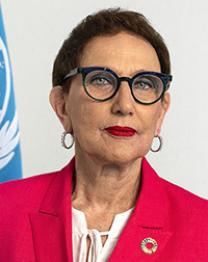
In September 2021, Rebeca Grynspan was appointed Secretary-General of the United Nations Conference on Trade and Development (UNCTAD), becoming the first woman to lead the organization in its 60-year history.
Rebeca Grynspan, an economist and former Vice President of Costa Rica, is an experienced leader of international institutions with a substantive track record in government, UN diplomacy, economic policy and multilateral cooperation at the global level.
Prior to joining the United Nations, she was Vice President of Costa Rica and held cabinet positions as Minister of Housing, Minister Coordinator of Economic and Social Affairs and Deputy Finance Minister.
Previously, she served as Secretary-General of the Ibero-American Conference (2014–2021), chairing regional summits of Heads of State and Government; United Nations Under-Secretary-General and Associate Administrator of the United Nations Development Programme (UNDP); and UNDP Regional Director for Latin America and the Caribbean. She was a member of the UN Commission for the Reconstruction of Haiti, representing the UN Secretary-General.
At UNCTAD, Grynspan has been at the centre of critical negotiations to address global trade and development challenges. She played a decisive role in the successful Black Sea Grain Initiative brokered between the UN, Türkiye, the Russian Federation and Ukraine, which enabled the safe export of over 32 million tons of grain, lowered global food prices by 22% and prevented millions from falling into food insecurity. She also leads the UN Global Crisis Response Group on food, energy and finance, and has represented the UN in G20 summits.
Her leadership has been recognized widely. In 2024, she received the Doha Negotiator of the Year Award for spearheading UN efforts to restore Black Sea trade routes. In 2025, Spain’s Ministry of Foreign Affairs, European Union and Cooperation awarded her the inaugural Isabel Oyarzábal Women in Multilateralism International Prize for her contribution to multilateralism.
Ms. Grynspan holds degrees in economics from the University of Costa Rica and the University of Sussex, and honorary doctorates from several European universities.
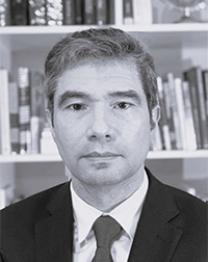
Clovis Freire Junior is Chief of Extractive Commodities Section, of the Division on International Trade and Commodities of UNCTAD in Geneva. He is an Economist specialized in economic diversification and strategies for building productive capacities in developing countries. His work supports the structural transformation and sustainable development of commodity-dependent developing countries.
He has over 20 years of work experience in the United Nations in programmes related to commodity dependence, least developed countries, technology and innovation for development, and disaster risk reduction. He holds a degree in Computer Engineering from the Technological Institute of Aeronautics (ITA), Brazil, a Master’s degree in Computer Sciences from the University de Brasília (UnB), an MBA in Strategic Management of Information Systems from the Fundação Getúlio Vargas (FGV), Brazil, and a PhD in Economics from the Maastricht University, in Maastricht, the Netherlands.

H.E. Ms. Eunice M. Tembo Luambia, Permanent Representative of Zambia to the United Nations in Geneva and in Vienna, has served in various capacities, among them:
Director, Zambia Mine Action Department, Ministry of Foreign Affairs (2011-2022); Deputy High Commissioner and Head of Chancery, High Commission in London, United Kingdom (2007-2011); Acting High Commissioner, London, United Kingdom (2009); First Secretary for Political Affairs, High Commission in Pretoria, South Africa (2002-2007); Acting High Commissioner in Pretoria, South Africa (2002); Senior Executive Officer & Desk Officer in charge of Africa and Middle East, Ministry of Foreign Affairs (1995-2002); and Executive Officer and Desk Officer in charge of Asia, the Americas and Europe, Ministry of Foreign Affairs (1993-1995).
Ms. Luambia holds a Master of Arts in International Relations from the University of Kent, Canterbury, United Kingdom and a Bachelor of Arts in Public Administration from the University of Lusaka, Zambia.
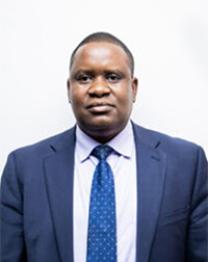
Mr. Musokotwane Sichizuwe is the Director of Industry at the Ministry of Commerce, Trade and Industry, where he leads efforts to advance industrial development policy and implementation in support of Zambia’s economic growth and competitiveness. In this senior public service role he engages with private-sector actors, development partners and stakeholder groups on initiatives to strengthen Zambia’s industrial base and sectoral value chains.
Mr. Sichizuwe has spoken publicly on industry-related topics including Zambia’s transition toward green and sustainable industrial practices and the role of industrial capacity in agriculture and broader economic diversification. He is also a board member representing the Ministry of Commerce, Trade and Industry in national policy and research institutions, reflecting his involvement in shaping Zambia’s trade, industry and policy agenda. (AI generated)
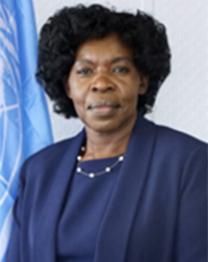
Ms. Beatrice Mutali brings more than 25 years of private and public sector experience within the area of sexual and reproductive health and rights, covering Middle- and Low-Income countries, and a combination of development and humanitarian contexts.
Prior to her appointment as UN Resident Coordinator, she served as United Nations Population Fund (UNFPA) Deputy Regional Director for East and Southern Africa, UNFPA’s Representative to South Africa and Country Director for Botswana and Eswatini, and UNFPA’s Deputy Regional Director for West and Central Africa. In all these positions, she has led successful strategy development and implementation, policy engagement, resource mobilization, programme management, and has built strong partnerships.
Prior to joining the UN system in 2014, Ms. Mutali held several leadership roles within the area of Family Planning, HIV/AIDS and Sexual and Reproductive Health from organizations such as Merck/MSD, the International HIV/AIDS Alliance, the International Planned Parenthood Federation and Planned Parenthood Federation of America.
Ms. Beatrice Mutali holds a master’s degree and a bachelor's degree in Economics from Kurukshetra University, India.
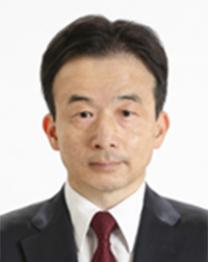
Mr. Mikami Akiteru is a distinguished Japanese public servant with nearly four decades of experience in government administration, international diplomacy, and public policy. Born in Gunma, Japan, he graduated in March 1988 from Waseda University’s Faculty of Political Science and Economics. He began his career in April 1988 at the Management and Coordination Agency, marking the start of a long and accomplished tenure in public service.
Over the years, Mr. Mikami has held numerous senior leadership roles across key Japanese government institutions. His positions have included Counsellor at the Permanent Mission of Japan to the International Organizations in Geneva, Director within the Statistics Bureau and Cabinet Office, and Director General for Policies on Cohesive Society. He also served as Director General of the Secretariat of the Science Council of Japan and Director General of the State Guest House.
In July 2024, he was appointed Senior Deputy Director of the Office of the Noguchi Hideyo Africa Prize, Cabinet Office. In January 2026, Mr. Mikami assumed his current role as Ambassador Extraordinary and Plenipotentiary of Japan to the Republic of Zambia.

Mr. Mulenga is serving as Hon. Minister of Commerce, Trade and Industry in the Government of the Republic of Zambia. In this role, Mr. Mulenga provides policy guidance on the trade and industry sectors in order to enhance the sectors’ contribution to sustainable socio-economic growth and development for the benefit of the Zambian people. Further, Mr. Mulenga is responsible for administering the following portfolio functions: Industrialisation Policy; Investment Policy; Industrial Research; Business Registration; Competition and Consumer Protection; and Standards and Quality Assurance, among others.
The Hon. Minister has vast corporate experience in mining and previously served as Technical Superintendent for a mining firm.
His appointment as Minister under the new Government, whose aspirations include economic transformation and job creation as well as human and social development, is to ensure these aspirations are embedded in the Ministry’s policies and strategies by enhancing partnerships for economic recovery, building resilience and driving structural transformation.
Mr. Mulenga holds qualifications in Mine Survey (Geomantic engineering) from the Copperbelt University, Bachelor of Commerce in Entrepreneurship (Economics) from the Management College of South Africa and is currently pursuing a Master of Business Administration in Project Management from the University of Zambia.
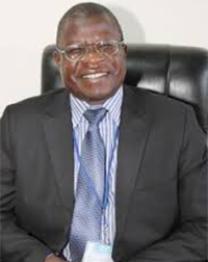
Mr. Hapenga Kabeta serves as Permanent Secretary at the Ministry of Mines and Minerals Development of the Republic of Zambia. In this senior executive role, he oversees the administration and implementation of policies governing Zambia’s mining and minerals sector—one of the country’s most strategic economic pillars.
As Permanent Secretary, Mr. Kabeta supports the development of regulatory frameworks, licensing systems, and investment facilitation measures aimed at strengthening transparency, sustainability, and value addition within the mining industry. His responsibilities include coordinating technical departments within the Ministry, engaging with mining companies and industry stakeholders, and aligning mineral resource governance with Zambia’s broader economic diversification and industrialisation agenda.
He plays an important role in advancing policies related to mineral beneficiation, critical minerals development, and responsible resource management, ensuring that the sector contributes effectively to national revenue generation, job creation, and long-term sustainable development. Through collaboration with development partners and regional institutions, Mr. Kabeta contributes to positioning Zambia as a competitive and responsible mining jurisdiction within Africa and globally. (AI generated)
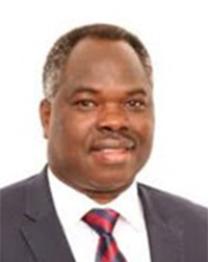
Mr. Albert Halwampa is the Director General of the Zambia Development Agency (ZDA), the statutory national body mandated to promote and facilitate trade, investment and business development in Zambia under the Ministry of Commerce, Trade and Industry (MCTI). He was appointed Director General effective 17 February 2023, having risen through the ranks since joining the Agency in 2015 and serving as Acting Director General prior to his appointment.
Mr. Halwampa is a Chevening Scholar with extensive experience in international trade, investment promotion and economic diplomacy. He has led teams in regional and global markets and played key roles in bilateral and multilateral trade negotiations covering SADC, COMESA, the COMESA-SADC-EAC tripartite free trade area, AGOA, the EU and the African Continental Free Trade Area (AfCFTA). He has contributed to export and investment strategy development for both public and private sectors, and serves on several national boards including the Zambia Export Development Fund and the Investment Committee of ZCCM-IH. Mr. Halwampa holds a Bachelor of Arts in Economics from the University of Zambia and a Master of Laws (LLM) in International Commercial and Business Law from Bangor University, UK. (AI generated)

Mr. Emmanuel Mumba is the Acting Chief Executive Officer of the Zambia Chamber of Commerce and Industry (ZACCI), the country’s leading private-sector representative body. He provides strategic leadership in advancing business competitiveness, policy advocacy and private-sector development in Zambia.
With extensive experience in trade facilitation, investment promotion, and enterprise development, Mr. Mumba works closely with government, industry leaders, development partners and regional institutions to strengthen Zambia’s industrialisation and economic diversification agenda. He has been actively engaged in promoting public-private dialogue, supporting MSME growth, and facilitating private-sector participation in key sectors including energy, mining value chains and manufacturing.
In his role at ZACCI, Mr. Mumba champions policies that enhance the ease of doing business, expand market access, and foster sustainable industrial growth. He is particularly committed to unlocking opportunities within regional and continental trade frameworks to position Zambian businesses for greater competitiveness.

Raubil is a seasoned Banker, Financial Services Expert, Economist and Certified Project Manager. He brings 30+ years of international and local leadership experience in private and public sector with strong portfolio and project management experience in diversified business areas including financial sector, public and private sector infrastructure development, industry and services sector and public-private partnerships. He worked for over a decade in the Private Sector Department of the African Development Bank before joining Country Management. Raubil has been Sudan Country Manager before moving to the Zambia Country Office as Country Manager in 2021.
Prior to joining the Bank, Raubil worked with the Agricultural Development Program in Ogun State of Nigeria which he left as Head of Evaluation Department, to join State Street Bank and Trust both in the USA and Canada as Manager - Global Markets, then the Royal Bank of Canada.
Raubil holds an MBA from the Delta International University, USA and M.Sc. and B.Sc. in Agricultural Economics from the University of Ibadan, Nigeria. He is a certified Project Management Professional, PMP.
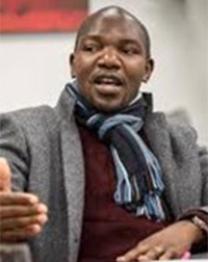
Prof. Hambaba Jimaima serves as Dean of the School of Humanities and Social Sciences at the University of Zambia (UNZA), where he provides academic and administrative leadership across a broad range of disciplines, including economics, political science, sociology, development studies, and related fields.
As Dean, Prof. Jimaima oversees curriculum development, research coordination, and strategic partnerships aimed at strengthening the School’s contribution to national and regional development. His leadership supports interdisciplinary scholarship and policy-relevant research that informs Zambia’s governance, social policy, and economic transformation agenda.
Through engagement with government institutions, development partners, and international academic networks, Prof. Jimaima promotes dialogue between academia and policy practice. His work contributes to building research capacity, fostering critical inquiry, and advancing evidence-based approaches to addressing Zambia’s development challenges within the broader African and global context. (AI generated)
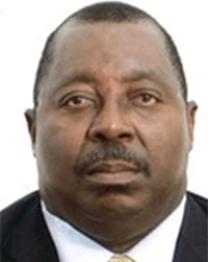
Mr. Crusivia C. Hichikumba serves as Permanent Secretary for Investment and Industrialisation at the Ministry of Commerce, Trade and Industry of the Republic of Zambia. In this capacity, he provides strategic leadership on policies and programmes aimed at promoting domestic and foreign investment, strengthening industrial development, and advancing value addition across priority sectors of the Zambian economy.
As Permanent Secretary, Mr. Hichikumba plays a central role in coordinating industrial policy implementation, facilitating public–private dialogue, and aligning national investment strategies with Zambia’s broader development frameworks, including the country’s industrialisation and economic diversification agenda. His portfolio encompasses the promotion of manufacturing competitiveness, support for small and medium-sized enterprises (SMEs), and the development of value chains in key sectors such as mining, agriculture, and energy-related industries.
Through close engagement with development partners, private-sector stakeholders, and regional institutions, Mr. Hichikumba contributes to strengthening Zambia’s investment climate and fostering sustainable industrial growth aimed at job creation and inclusive economic transformation. (AI generated)
