Search for a publication
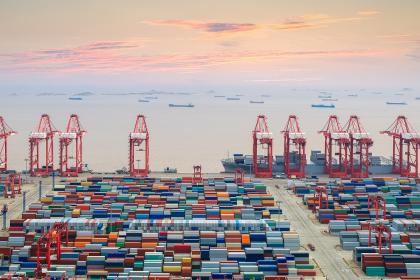
Geopolitical tensions, high energy prices, rising interest rates and persistent inflation are expected to constrain global trade next year.
A new UNCTAD report examines the plant’s economic, environmental and social potential
Written by Brigitte Daudet and Yann Alix, Article No. 98 [UNCTAD Transport and Trade Facilitation Newsletter N°96 - Fourth Quarter 2022]
The annual Handbook of Statistics provides timely and reliable data on a wide range of economic and trade indicators so policymakers can take evidence-based decisions.
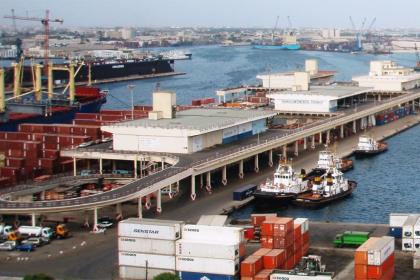
A rainwater harvesting system proposed by Rabiah Nadir is helping Johor Port save fresh water, minimize chances of flooding and contribute to global goals.
UNCTAD's Review of Maritime Transport 2022 warns that maritime transport and logistics require greater investment in infrastructure and sustainability to weather future storms.
Ending the occupation of Area C of the West Bank and East Jerusalem is critical for the sustainable development of the Occupied Palestinian Territory because it will enable the Palestinian people to grow their economy severalfold.
Through the assessments, UNCTAD helps developing countries harness the evolving digital economy for inclusive development.
A new UNCTAD publication looks at what it takes to make women-led businesses thrive in challenging times.
Mr. Moreno brings over 20 years of experience in multilateral institutions, including the United Nations, having served in different management and strategic positions in the field and at UN Headquarters.