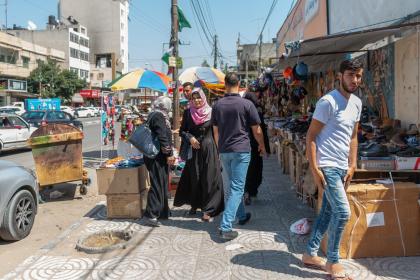
The world’s most vulnerable nations face many obstacles, including soaring debt, export marginalization, energy poverty and climate vulnerability.
UNCTAD alerts global economic growth will decrease to 2.6% from 3.6% for 2022 and that developing countries will need $310 billion to meet their external public debt service requirements this year.
Industry 4.0 and the challenges of sustainable urban development will be in focus at the 25th session of the UN Commission on Science and Technology for Development.
Written by: Arántzazu Sánchez Belastegui and Lazar Ristic, Article No. 87 [UNCTAD Transport and Trade Facilitation Newsletter N°93 - First Quarter 2022]
As the COVID-19 pandemic evolves, new challenges and variants of concern like Omicron threaten to worsen the plight of the world’s seafarers, who play a vital role in global trade.
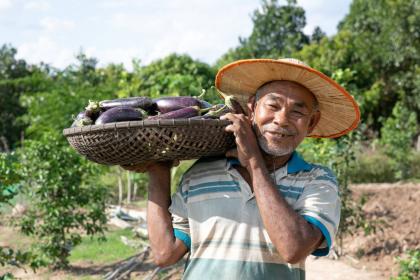
UNCTAD’s Empretec entrepreneurship programme has helped him formalize and grow his businesses, contributing to sustainable development in the country’s northern provinces.
UNCTAD brings together stakeholders to examine how measures to facilitate cross-border trade can contribute to a strong and inclusive recovery from the pandemic.
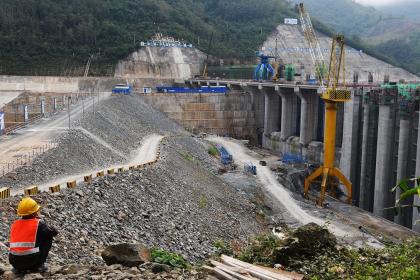
New UNCTAD estimates show that infrastructure finance is up due to recovery stimulus packages, but greenfield investment activity remains weak across industrial sectors.
A new free trade agreement, covering a third of the world economy, will eliminate 90% of tariffs among 15 East Asian and Pacific countries and is expected to boost intraregional exports by $42 billion.
The collective mark will help consumers select fishery and seafood products produced with sustainable and responsible practices that foster community development.