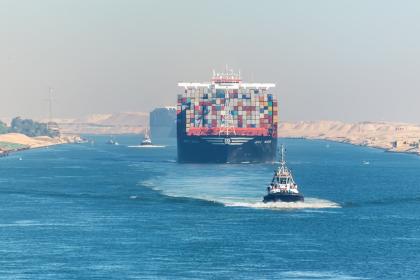
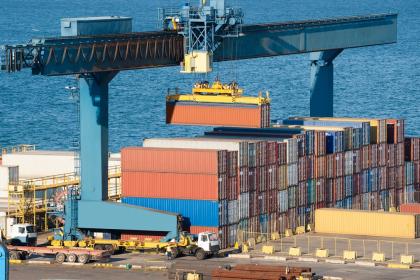
The organization warns that escalating attacks on ships in the Red Sea are adding strain to shipping routes already hit by conflict and climate change.
A new UNCTAD report shows FDI flows to the Global South dropped to $841 billion in a global context of weak investment and economic uncertainty.
New UNCTAD analysis shows global FDI trends defied earlier expectations but highlights that growth was driven by a few European “conduit” economies and raises concerns about the decline in international investment projects.
Trade policies can help countries catalyze progress towards their climate goals but remain underused in practice. Stronger global cooperation is necessary to change course.
The annual handbook provides key data and indicators on how the economy has evolved across regions, countries and sectors.
Global trade is projected to end the year 5% down compared to 2022’s record level, shrinking by about $1.5 trillion to below $31 trillion, according to UNCTAD’s latest Global Trade Update.
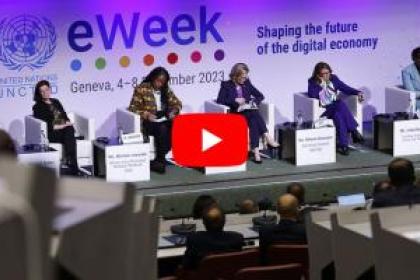
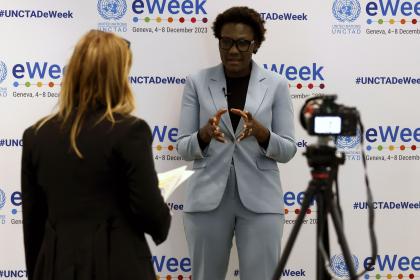
More than 3,500 participants from 159 countries outlined actions needed to transform digital opportunities into shared and eco-friendly progress.
UNCTAD eWeek renews the global call to guide artificial intelligence so it unifies rather than divides, helping to create an inclusive and human-centred digital future.
By empowering and protecting consumers, countries can build a more sustainable and equitable world for present and future generations.
The week-long event will tackle pressing digitalization challenges to ensure the digital transformation leads to shared progress and sustainable growth.