The DMFAS Programme
The Debt Management and Financial Analysis System Programme of UN Trade and Development (UNCTAD) is one of the world’s leading providers of technical cooperation and advisory services in debt management. Working with ministries of finance and central banks, it strengthens the capacity of developing countries to manage their debt in an effective and sustainable way, in support of poverty reduction, development and good governance.
More about who we areQuick links
US$4.3 trillion is the public debt of the countries that use DMFAS.1
Ministries of finance and central banks in 64 countries rely on DMFAS to record, monitor and report what they owe: together, about one in every eight dollars of developing countries’ public debt. More than half of the world’s least developed countries are among them.
Why it matters: reliable, published debt data lowers borrowing costs. Countries that became more transparent saw their credit spreads fall by 11% on average.2 Among DMFAS countries, 46 publish debt statistics bulletins and 91% report to the World Bank.3
Sources and calculations in the notes below the figures.
- Debt officers trained643officers trained in 2025, from 22 countriesA third of them women. They learn to run DMFAS and to validate, publish and analyse their country’s debt data, so the skills stay in the debt office.4
- Support on the ground84missions, trainings and other activities in 202549 of them in Sub-Saharan Africa: installations, workshops, project support and joint work with partners such as the IMF and the World Bank.5
- Countries stay with DMFAS83%of countries ever supported still use DMFAS64 of the 77 countries the Programme has supported since 1981 use it today, and many pay towards it through maintenance fees and cost sharing.6
How these figures are calculated
- Public debt, US$4.3 trillion. General government gross debt in 2025, IMF World Economic Outlook, October 2026, converted to US dollars with the same source’s GDP figures. It covers 60 of the 64 user countries; Eritrea, the Syrian Arab Republic, Venezuela and Yemen have no IMF debt data for 2025. It is the debt of the countries that use DMFAS, not an amount processed by the system. “One in eight dollars” compares it with the US$35 trillion of public debt of developing countries in 2025 (UNCTAD, A World of Debt 2026), the same year: US$4.3 trillion ÷ US$35 trillion ≈ 12%. “More than half of the world’s least developed countries”: DMFAS Interim Annual Report 2026 (draft).
- Lower borrowing costs. Glennerster and Shin, “Does Transparency Pay?”, IMF Staff Papers, 2008: an average 11% fall in credit spreads when countries adopted IMF transparency reforms. It describes transparency in general; it is not an impact measured for DMFAS.
- 46 countries publish bulletins; 91% report to the World Bank. DMFAS Interim Annual Report 2026 (draft). A country counts as publishing if it issued a debt statistics bulletin within the last 18 months, covering at least the composition and evolution of its debt stock (results for January to October 2026). The 91% is the share of DMFAS user countries that reported to the World Bank Debtor Reporting System in 2025; data for 2026 are not yet available.
- 643 officers trained. DMFAS Annual Report 2025: officers from 22 countries trained in 2025, 33% of them women.
- 84 activities. DMFAS Annual Report 2025, table 1: capacity-building and other activities in 2025, including 71 training events organized or co-organized by the Programme and 13 partner events; 49 took place in Sub-Saharan Africa.
- 83% of countries stay. The Programme’s retention rate since 1981, DMFAS Interim Annual Report 2026 (draft): 64 of the 77 countries ever supported are active users in October 2026.
Results such as bulletins published or reporting to the World Bank are outcomes observed in user countries, achieved by the countries themselves with DMFAS support, not impacts attributable to DMFAS alone. All results and their denominators
Behind the number: the DMFAS 7 countries
Each country comes to DMFAS 7 from a different place. Zambia shows what a complete debt record makes possible; South Sudan shows where a country starts. Pick a country and click through the tabs. Countries marked “Installing” open once they are on DMFAS 7.

- First
DMFAS 7
country in the world to install DMFAS 7, in March 2025.
Source: UNCTAD news, “Digital innovation for debt transparency” (2025)
Debt on record
Debt record Status Central government debt Complete State-owned enterprises: guaranteed external debt Partial State-owned enterprises: domestic debt Missing Local government debt Missing Source: IMF, Zambia: Data Quality Assessment for Public Sector Debt Statistics (2025)
- Quarterly
Debt statistics bulletin
published within two months of the end of each quarter, with annual data within six months.
Source: IMF, Zambia: Data Quality Assessment for Public Sector Debt Statistics (2025)
Public debt, % of GDP
101% in 2025, down from 140% at the 2020 default. The IMF projects 82% in 2026.
Source: IMF World Economic Outlook, October 2026. How much a country borrows is a policy choice.
Debt data quality
“Broadly reliable, transparent, and of good quality.”
The IMF’s verdict on Zambia’s public debt statistics, 2025.
Source: IMF, Zambia: Data Quality Assessment for Public Sector Debt Statistics (2025)
- Reconciled
Records reconciled
By 2022–23, Zambia’s loan records matched those of its creditors and the World Bank, with only minimal differences. A debt restructuring needs figures that both sides agree on.
Source: IMF, Zambia: Data Quality Assessment for Public Sector Debt Statistics (2025)
Timeline
Zambia, from the pandemic default to recoveryDMFAS milestone| When | What happened | Source |
|---|---|---|
| 1986 | A long-standing partner: DMFAS installed at the Ministry of Finance and the Bank of Zambia. | DMFAS Annual Report 2025 |
| 2005–06 | HIPC and MDRI debt relief. Public debt falls to 25% of GDP by 2006. | IMF World Economic Outlook |
| 2012–15 | Zambia borrows on international markets: Eurobonds of US$750 million, US$1 billion and US$1.25 billion. | Chitonge and Stein |
| 2020 | The COVID-19 pandemic. Zambia first pauses payments under the G20 Debt Service Suspension Initiative. | ISS African Futures |
| Nov 2020 | Zambia misses a US$42.5 million Eurobond payment, the first African default of the pandemic. Debt reaches 140% of GDP. | ISS African Futures |
| Feb 2021 | Zambia applies for debt treatment under the G20 Common Framework, one of only three countries to do so. | ISS African Futures |
| 2022 | The Public Debt Management Act clarifies guarantees and the rules for borrowing by state-owned enterprises. | IMF |
| 2022–23 | Zambia’s debt records are reconciled with creditors and the World Bank. The IMF finds the remaining differences “minimal”. | IMF |
| Jun 2023 | Official creditors agree to restructure US$6.3 billion of bilateral loans. | Chitonge and Stein |
| Jun 2024 | The Eurobond exchange with private creditors is completed. | Chitonge and Stein |
| Mar 2025 | Zambia becomes the first country to install DMFAS 7, at the Ministry of Finance and National Planning. | UNCTAD news |
| 2025 | The IMF assesses Zambia’s debt statistics as “broadly reliable, transparent, and of good quality”. | IMF |
| 2026 | The Bank of Zambia signs its own DMFAS 7 project, funded directly by the central bank, with extra capacity building. | DMFAS Interim Annual Report 2026 |
| 2026 | Data validation workshops at the Ministry and the Bank of Zambia, a procedures workshop at the Bank, and continued work on linking DMFAS with other systems. | DMFAS Interim Annual Report 2026 |
| May 2026 | The European Union presents the EU–GIZ–UNCTAD partnership behind DMFAS 7 in Zambia to EU delegations. | DMFAS Interim Annual Report 2026 |
DMFAS does not set a country’s borrowing; that is a policy choice. What it provides is a complete, reconciled record of every loan, which is what a country needs to negotiate with its creditors.
The debt
General government gross debt, % of GDP- 140%in 2020, the year of the default
- 137%in 2023, when the restructuring deals were struck
- 101%in 2025
- 82%projected for 2026
Source: IMF World Economic Outlook, October 2026.
Data validation
Zambia today, based on the IMF data quality assessment, 2025| Check | Status | Finding |
|---|---|---|
| Central government debt | Complete | Source data on central government debt are “comprehensive”. |
| Reconciliation with creditors and the World Bank | Complete | Differences became “minimal” by 2022–23. |
| Quarterly debt statistics bulletin | Complete | Published within two months; annual data within six. |
| External debt guaranteed for state-owned enterprises | Partial | Covered for six public corporations. |
| Link between DMFAS and the national financial system (IFMIS) | In progress | Interfacing work continued in 2026. |
| Link between DMFAS and the Bank of Zambia’s securities depository | In progress | Domestic debt is still typed in by hand, a risk of errors. |
| Data in machine-readable formats | In progress | The government has committed to publishing in Excel. |
| Domestic debt of state-owned enterprises | Missing | Not yet reported. |
| Local government debt | Missing | Only an outdated estimate exists. |
Source: IMF, Zambia: Data Quality Assessment for Public Sector Debt Statistics (2025). The rows marked “in progress” and “missing” are the work still to do. See What’s next.
People
The debt officers behind the records“DMFAS 7, it is so much easier and quicker to record data.”
“As the person in charge of generating reports, I really appreciate that DMFAS 7 is very easy to use.”
“The EU-GFG-GIZ-UNCTAD partnership delivered the process, enabling the upgrade, driving system adoption, and supporting ongoing integration. This is not just an IT project. It is a foundational pillar of Zambia’s broader Public Financial Management (PFM) reform.”



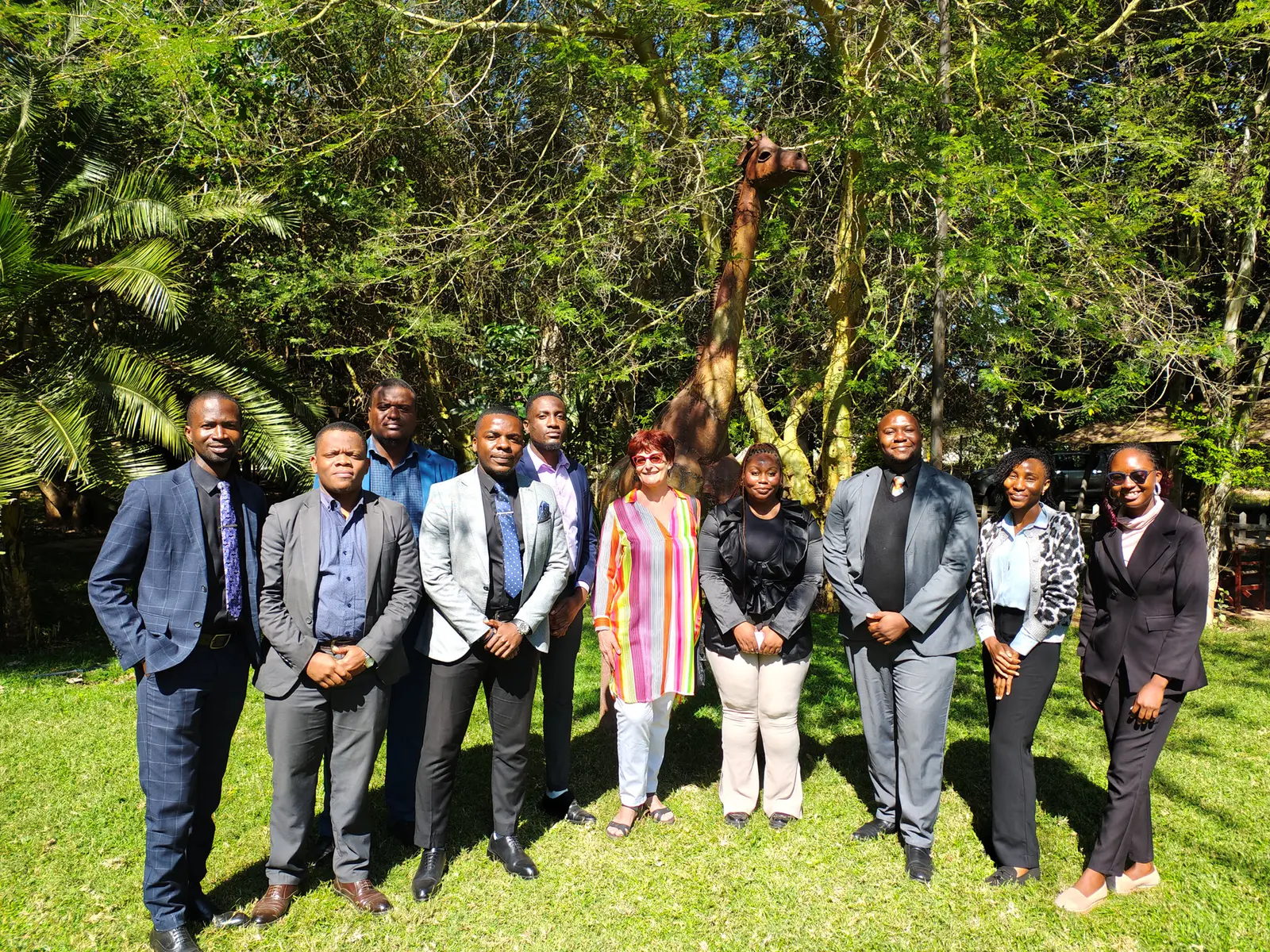
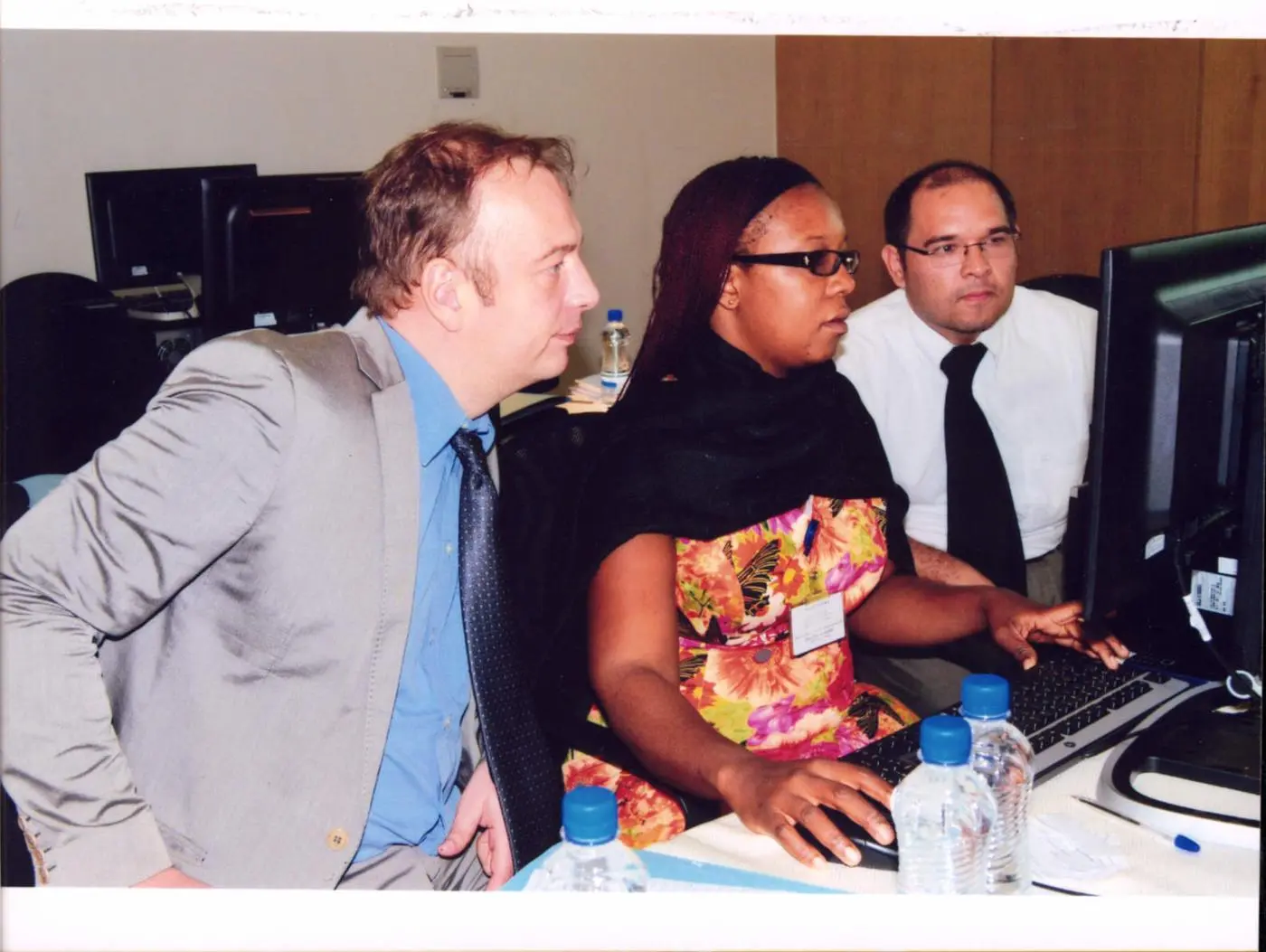
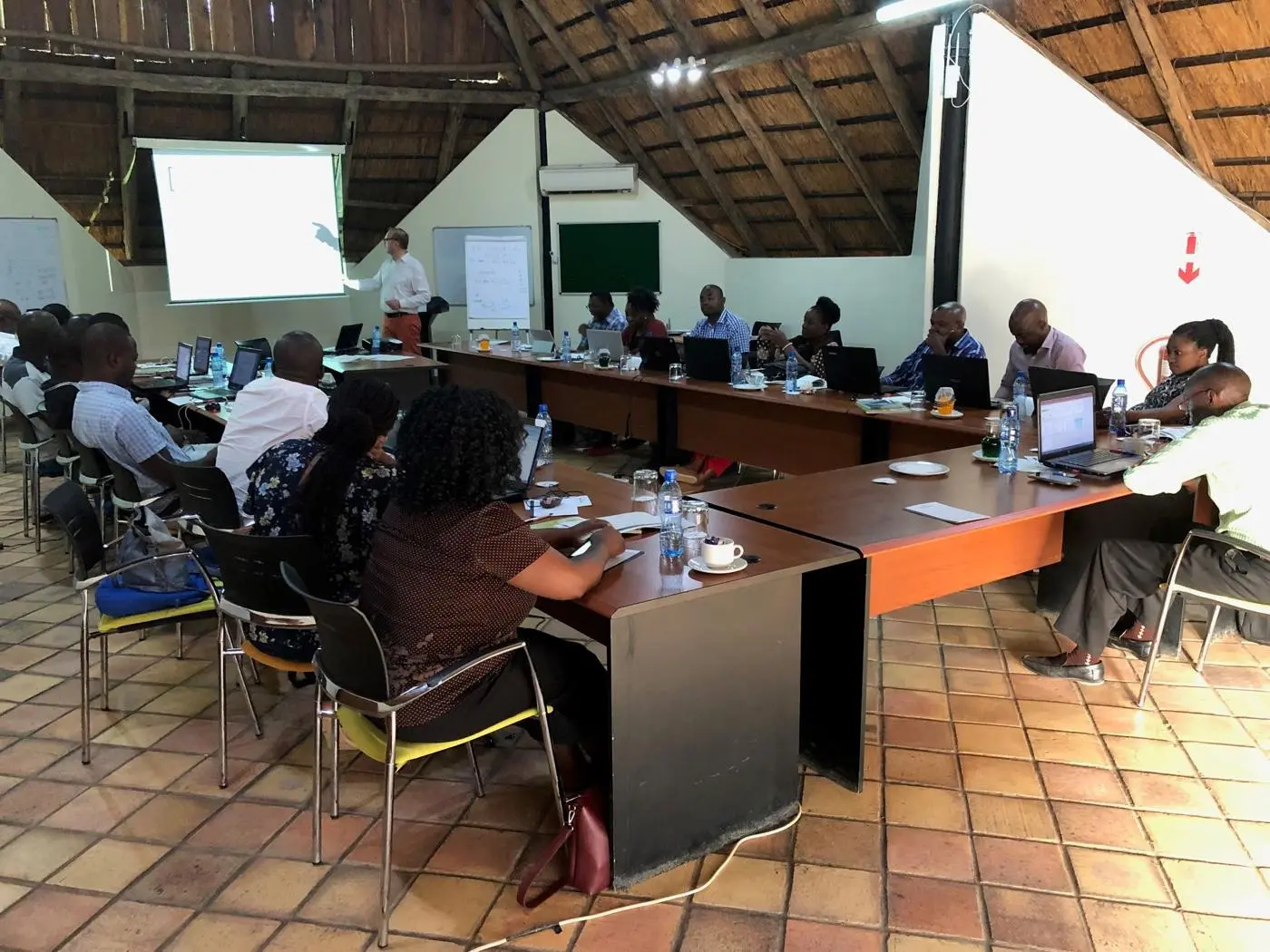
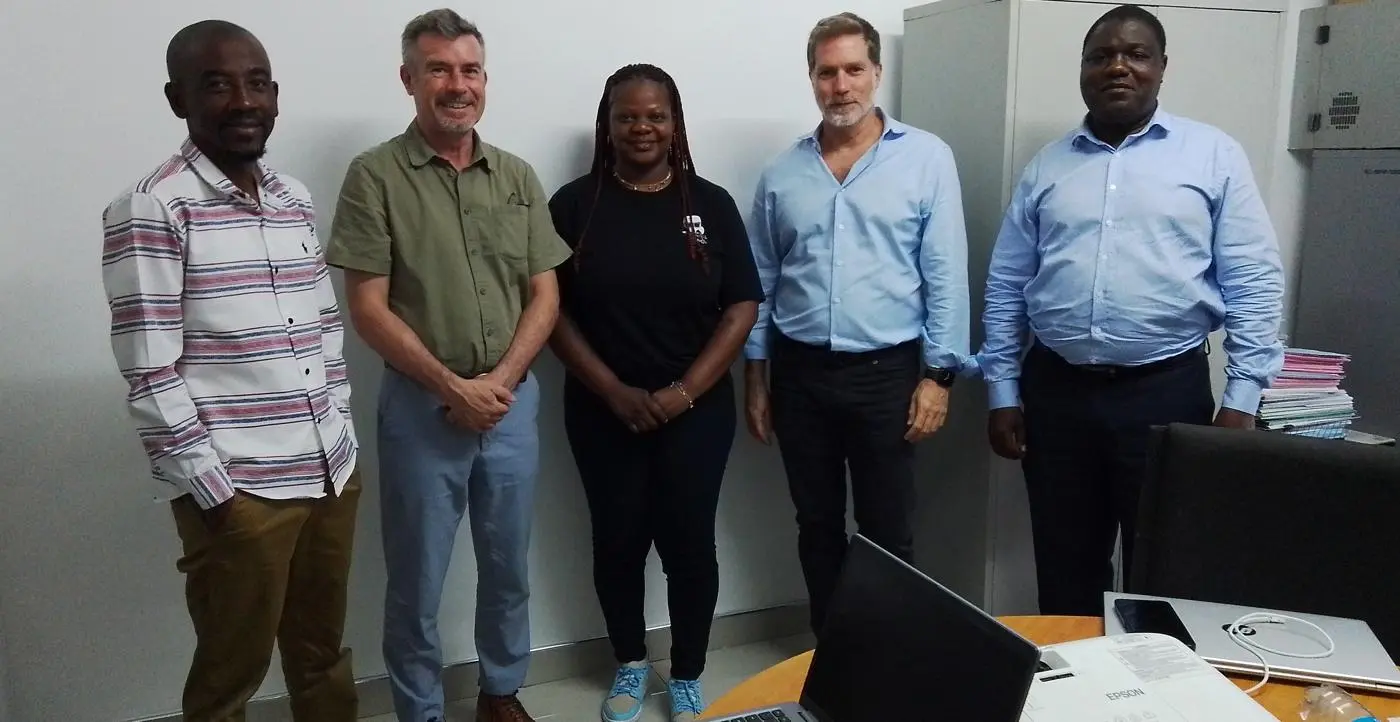
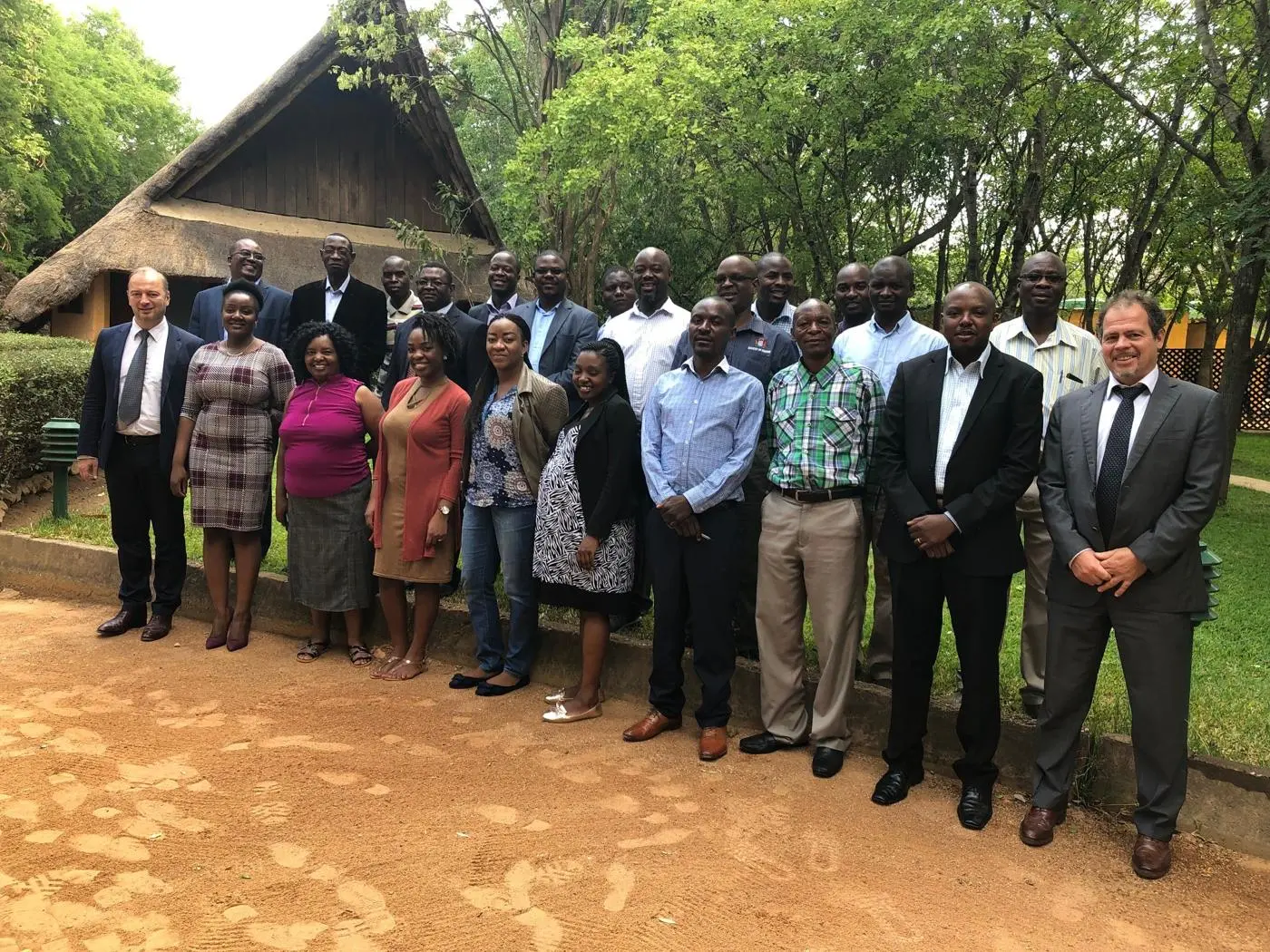
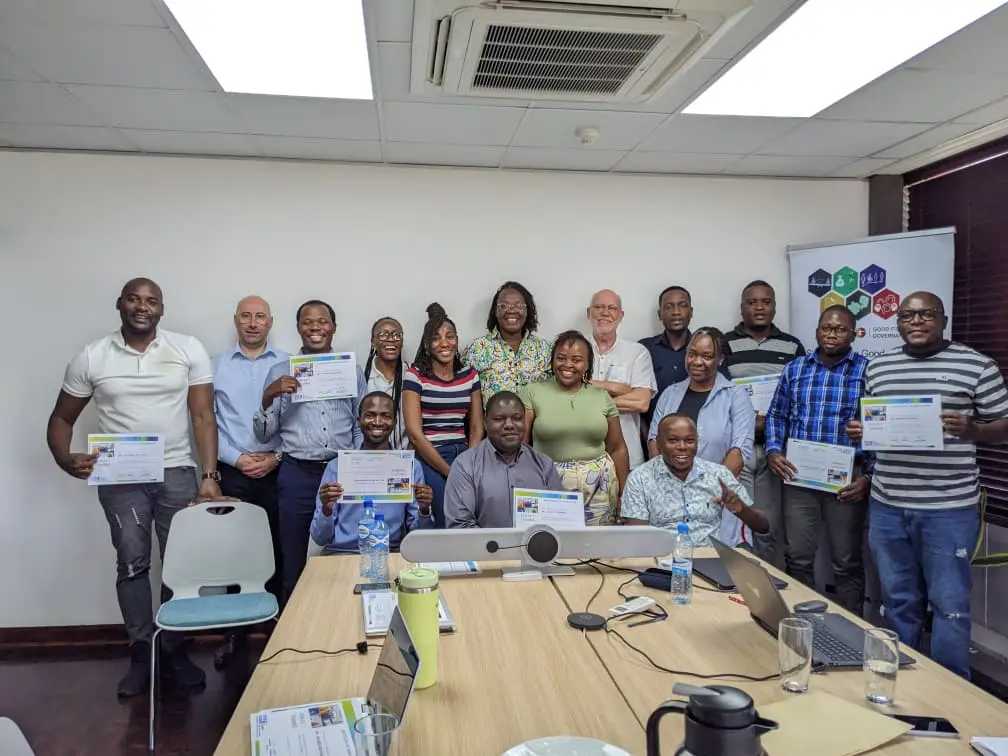
Photos: DMFAS Programme.
What’s next
The work that funding makes possible- Connect the systemsLink DMFAS 7 to Zambia’s national financial management system and to the Bank of Zambia’s securities depository, so domestic debt no longer has to be typed in by hand.
- Close the gapsExtend the records to the domestic debt of state-owned enterprises and to local government debt, the two areas the IMF found missing.
- Share the modelBring what Zambia has done to more countries: 4 countries now run DMFAS 7, 7 more have signed projects, and the goal is 34 by the end of 2028.
Zambia shows what a complete debt record makes possible. Help bring it to the next country.
Partner with usSources: IMF, Zambia: Data Quality Assessment for Public Sector Debt Statistics (2025); DMFAS Annual Report 2025; DMFAS Interim Annual Report 2026.
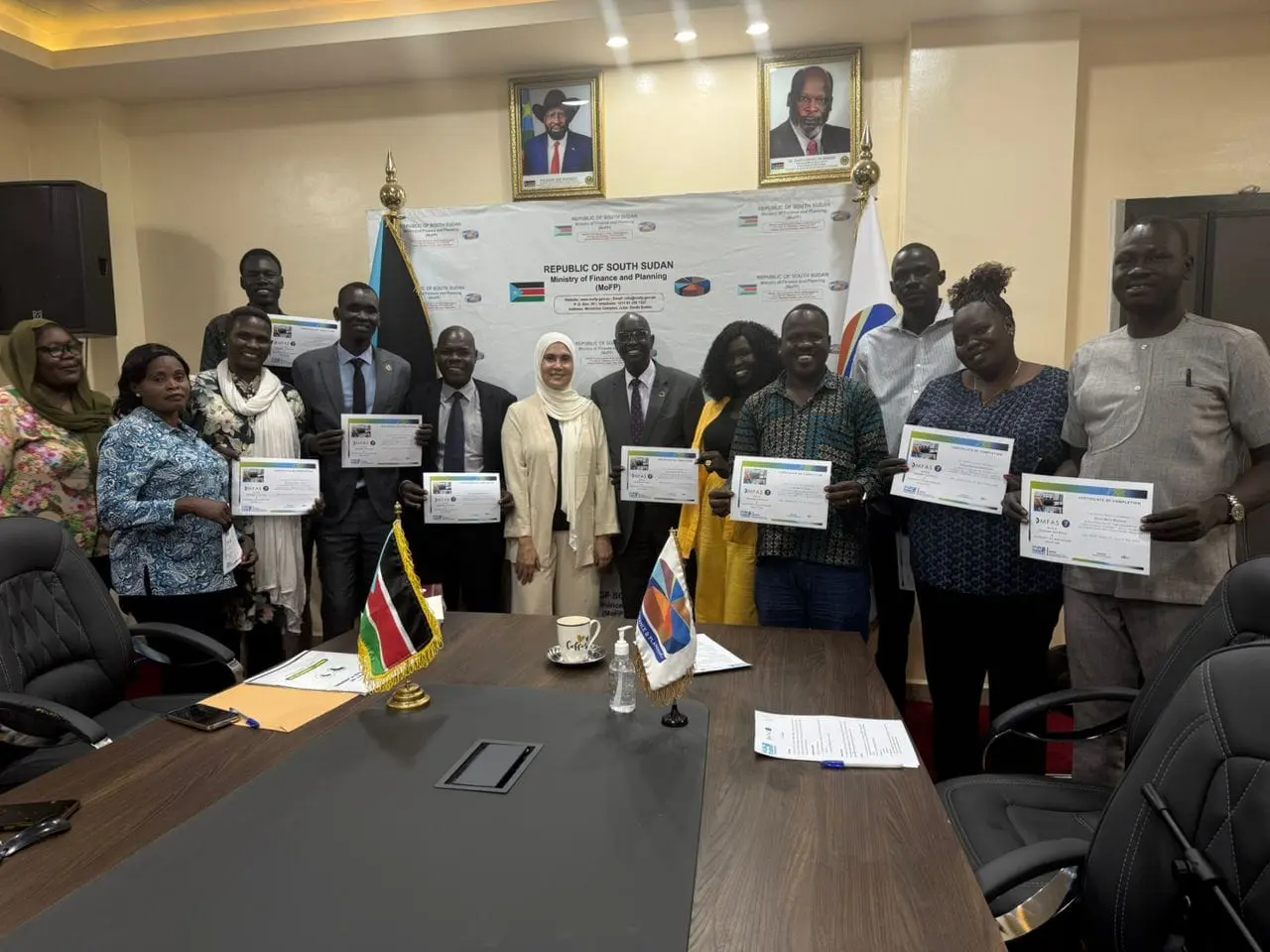
- Live since Sep 2025
DMFAS 7
South Sudan was the second country in the world to install DMFAS 7.
Source: DMFAS Annual Report 2025
Debt on record
Debt record Status Loan records Partial Loan procedures and archiving Missing Data validation Planned Source: DMFAS Annual Report 2025
- Planned
Debt statistics bulletin
South Sudan’s first debt statistics bulletin is planned for 2026.
Source: DMFAS Annual Report 2025
Public debt, % of GDP
64% in 2025, after a peak of 129% in 2016. The IMF projects 43% in 2026.
Source: IMF World Economic Outlook, October 2026. How much a country borrows is a policy choice.
- About a year
From Excel to DMFAS 7
from the 2024 project agreement to a working DMFAS 7. Before that, loans were tracked in spreadsheets.
Source: DMFAS Annual Report 2025
- AfDB
Funded by
The African Development Bank funds the project, which also trained administrators and users at installation.
Source: DMFAS Annual Report 2025
Timeline
South Sudan, 2011 to 2026DMFAS milestone| When | What happened | Source |
|---|---|---|
| 2011 | South Sudan becomes independent. | Independence |
| 2012–16 | Public debt rises from 9% of GDP in 2012 to a peak of 129% in 2016. | IMF World Economic Outlook |
| Before 2024 | The Ministry of Finance and Planning tracks its loans in Excel, with no dedicated debt software. | DMFAS Annual Report 2025 |
| 2024 | Following IMF outreach, South Sudan signs a DMFAS project agreement with UNCTAD, funded by the African Development Bank. | DMFAS Annual Report 2025 |
| Sep 2025 | DMFAS 7 is installed, making South Sudan the second country in the world on the new system. Administrators and users are trained. | DMFAS Annual Report 2025 |
| 2025 | The DMFAS and World Bank teams in Juba share information throughout the installation, an IMF, World Bank and UNCTAD effort. | DMFAS Interim Annual Report 2026 |
| 2026 | Planned: support on using DMFAS 7, data validation, and a first debt statistics bulletin. | DMFAS Annual Report 2025 |
South Sudan is where Zambia’s story starts: a debt office building its first complete record of what the country owes.
The debt
General government gross debt, % of GDP- 9%of GDP in 2012
- 129%at the 2016 peak
- 64%in 2025, the year of DMFAS 7
- 43%projected for 2026
Source: IMF World Economic Outlook, October 2026.
Data validation
South Sudan today, based on the DMFAS Annual Report 2025| Check | Status | Finding |
|---|---|---|
| DMFAS 7 installed | Complete | September 2025, the second country in the world. |
| Administrators and users trained | Complete | Ministry staff can run the system and record loans. |
| Loan records | Partial | Still incomplete: loan processes and archiving are not yet formalized. |
| Data validation | Planned | Planned for 2026. |
| Debt statistics bulletin | Planned | A first bulletin is planned for 2026. |
| Formal loan procedures and archiving | Missing | Needed before the records can be complete. |
Source: DMFAS Annual Report 2025. South Sudan is at the start of the road Zambia has travelled.
People
The team building South Sudan’s first debt database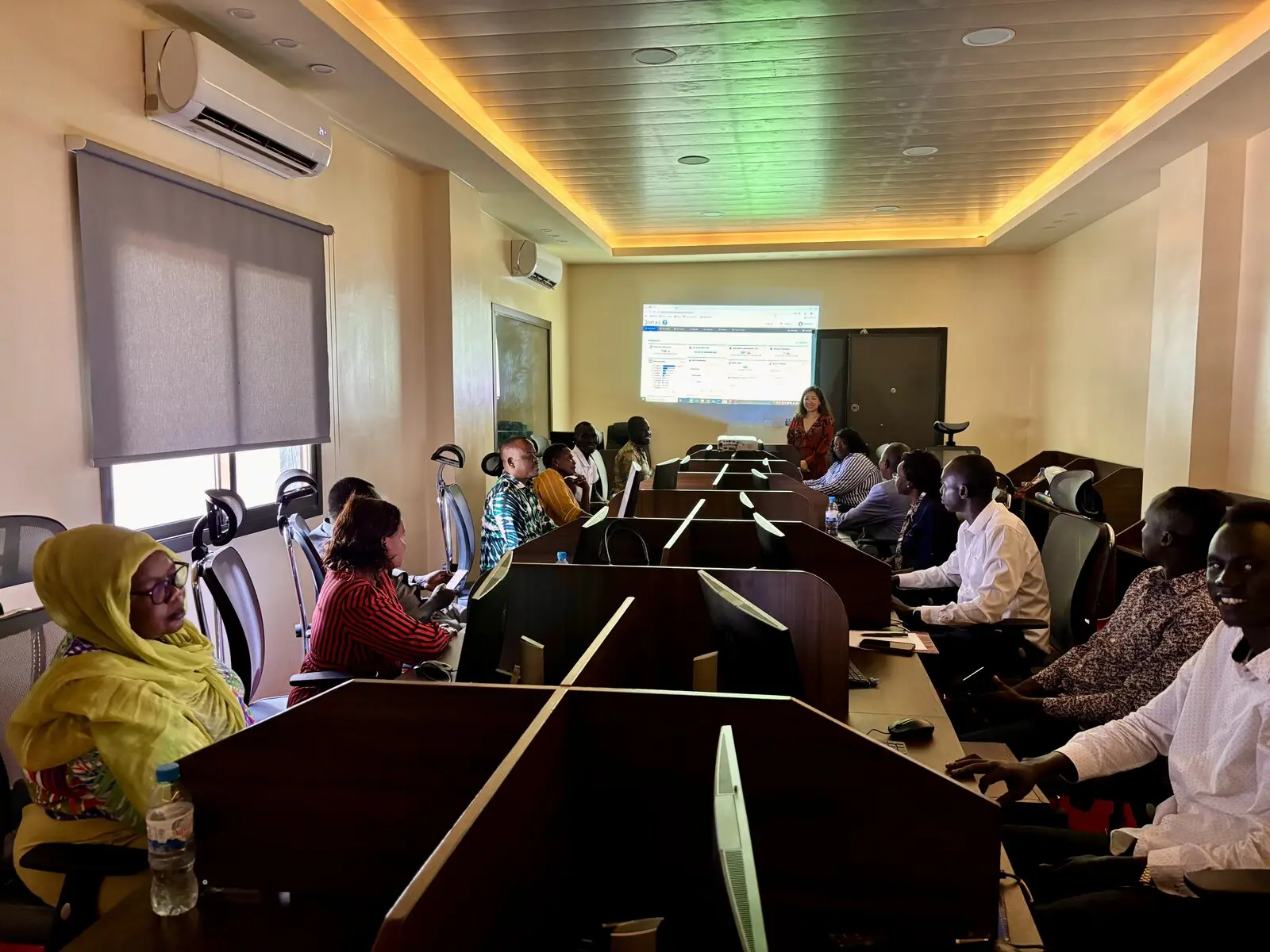
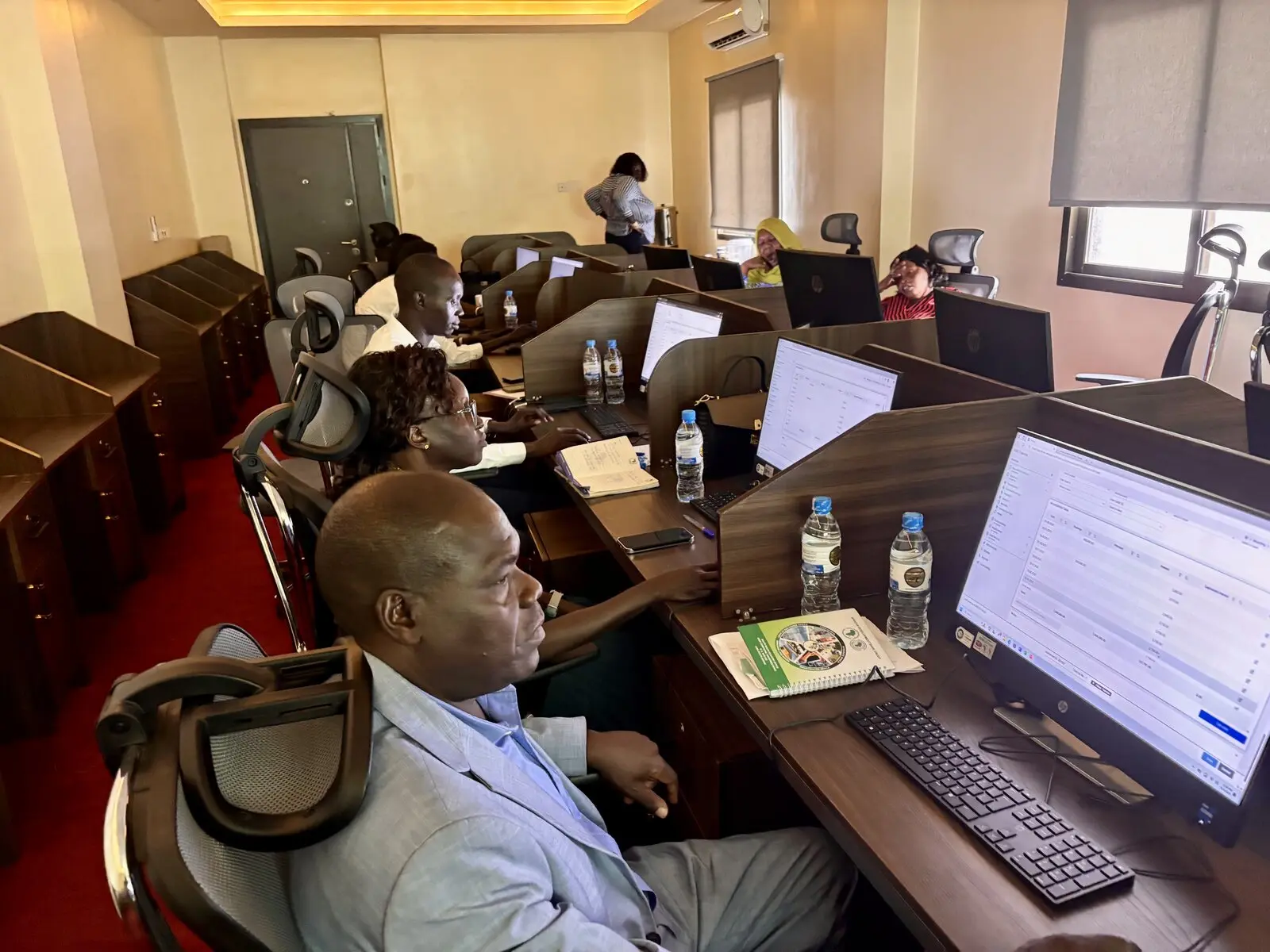
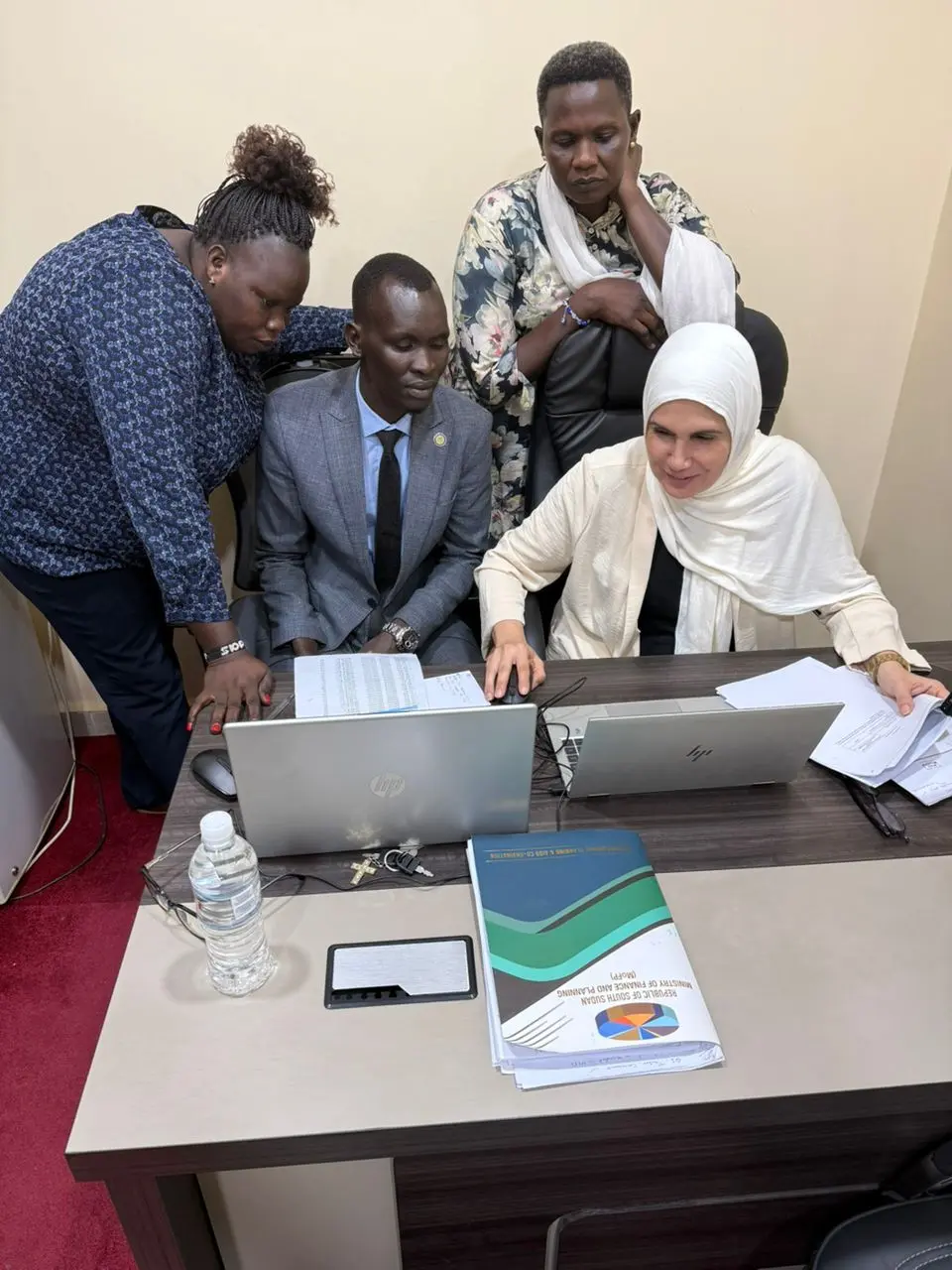
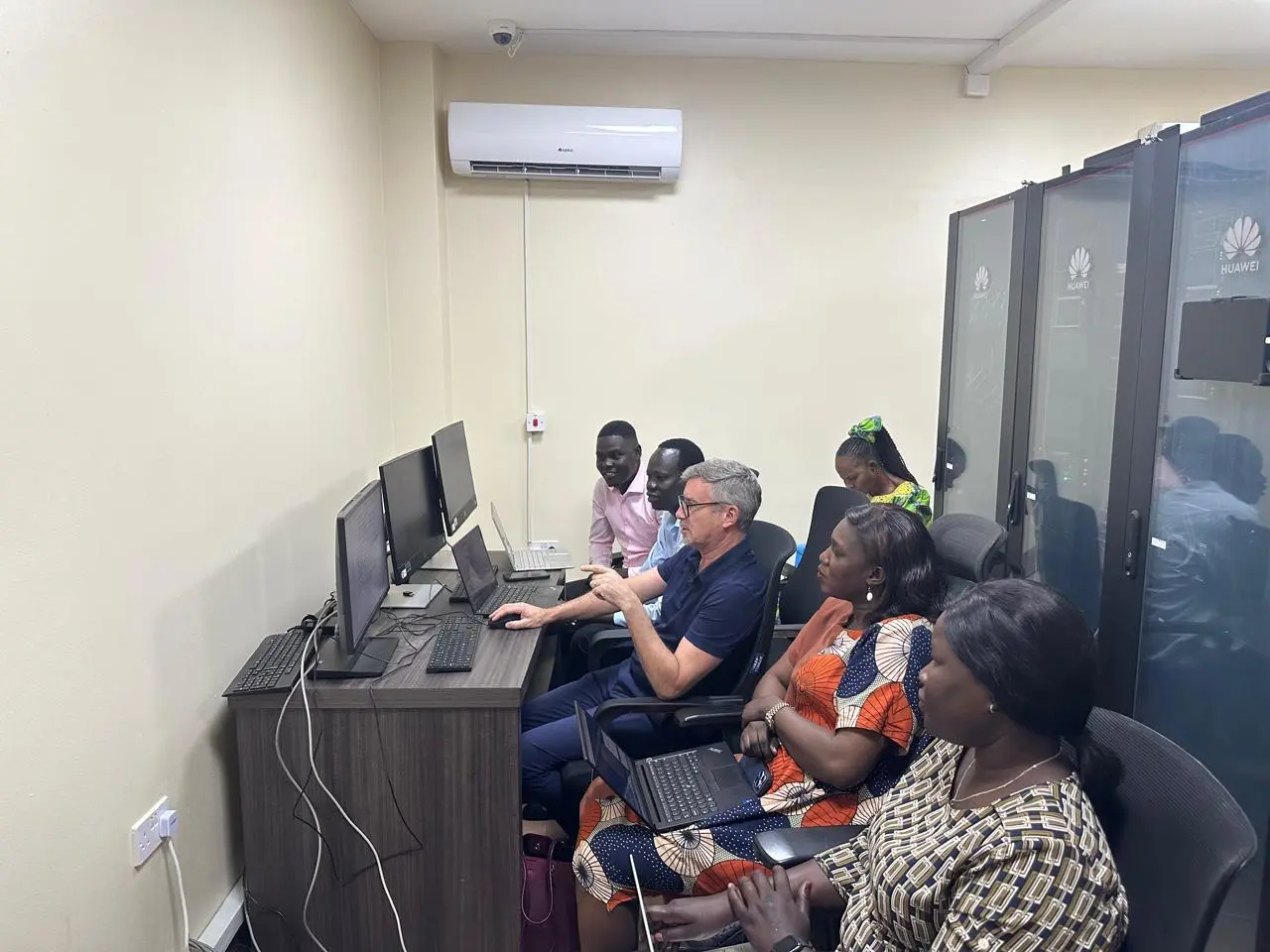
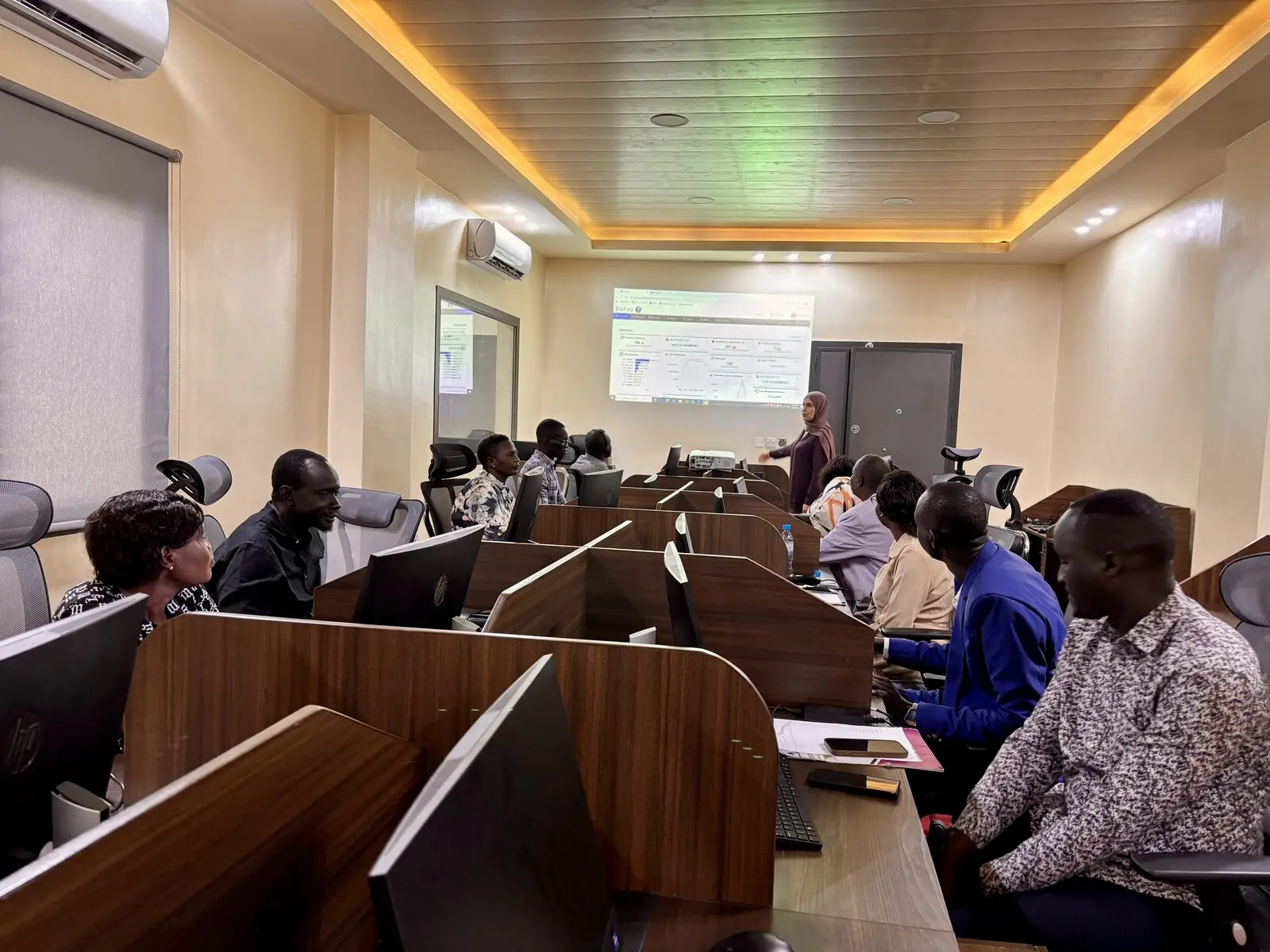

Photos: DMFAS Programme, Juba.
What’s next
The work that funding makes possible- Complete the recordsHelp the Ministry formalize its loan procedures and archives, so every loan can be recorded in DMFAS 7.
- Check the dataValidate the records against creditor information, the step that made Zambia’s data “broadly reliable”.
- Publish the first bulletinProduce South Sudan’s first debt statistics bulletin, so the country, its creditors and its citizens can see what it owes.
South Sudan has the system. Help it build the complete debt record that Zambia now has.
Partner with usSource: DMFAS Annual Report 2025.

- Live since Nov 2025
DMFAS 7
Rwanda was one of the first three countries to install DMFAS 7, with Zambia and South Sudan.
Source: DMFAS Interim Annual Report 2026
Debt on record
Debt record Status Central government external debt Recorded Central government domestic debt Recorded Procedures manual In place Disaster recovery Not yet Source: DMFAS scope of use, 2025 (DMFAS Interim Annual Report 2026, annex 4)
- Published
Debt statistics bulletin
Rwanda publishes a debt statistics bulletin but does not yet produce a debt portfolio review.
Source: DMFAS scope of use, 2025 (DMFAS Interim Annual Report 2026, annex 4)
Public debt, % of GDP
65% in 2025, up from a low of 19% in 2008. The IMF projects 63% in 2026.
Source: IMF World Economic Outlook, October 2026. How much a country borrows is a policy choice.
In the users’ words
“Significantly enhanced user experience.”
The Head of the Debt Management Office, on the move to DMFAS 7.
Source: DMFAS Interim Annual Report 2026
- 7 of 7
Helpdesk
DMFAS 7 support requests resolved.
Source: DMFAS Interim Annual Report 2026, annex 6
Timeline
Rwanda, 1990 to 2026DMFAS milestone| When | What happened | Source |
|---|---|---|
| 1990 | DMFAS is installed at the Ministry of Finance. | Annex 3 |
| 2000 | The central bank also starts using DMFAS. It no longer does. | Annex 3 |
| 2008 | Public debt falls to 19% of GDP, its lowest level since 2000. | IMF WEO |
| 2020 | Public debt rises to 67% of GDP, from 53% in 2019. | IMF WEO |
| Nov 2025 | DMFAS 7 is installed at the Ministry of Finance and Economic Planning, with IT training for administrators and basic training for users. Rwanda is one of the first three countries on the new system. | DMFAS Interim Annual Report 2026; DMFAS Programme |
| 2025 | The Debt Management Office reports a more intuitive interface and a simpler reporting module in DMFAS 7. | DMFAS Interim Annual Report 2026 |
| Sep 2026 | DMFAS takes part in the public finance academy in Rwanda, on public debt management in transition states in Africa. | DMFAS Interim Annual Report 2026 |
Rwanda is a least developed and landlocked country, like South Sudan and Zambia.
The debt
General government gross debt, % of GDP- 92%in 2002, the peak
- 19%in 2008, the low
- 65%in 2025, the year of DMFAS 7
- 63%projected for 2026
Source: IMF World Economic Outlook, October 2026. DMFAS records the debt; how much a country borrows is a policy choice.
Coverage and reporting
Rwanda, from the DMFAS scope table for 2025| Check | Status | Finding |
|---|---|---|
| DMFAS 7 installed | Complete | 2025, at the Ministry of Finance and Economic Planning. |
| Central government external debt | Recorded | Recorded in DMFAS. |
| Central government domestic debt | Recorded | Recorded in DMFAS. |
| Debt statistics bulletin | Published | Rwanda publishes a bulletin. |
| Procedures manual | In place | Back-office procedures are documented. |
| Debt portfolio review | Not yet | Not produced. |
| Disaster recovery arrangements | Not yet | None in place for the DMFAS database. |
| Link with the treasury system | Not yet | No interface listed. |
Sources: DMFAS scope of use, 2025 (DMFAS Interim Annual Report 2026, annex 4); DMFAS Interim Annual Report 2026, annex 5.
People
The Debt Management Office“The transition to DMFAS 7 has significantly enhanced user experience through a more intuitive interface and a simplified reporting module. The new version allows users to easily generate and customize reports according to specific institutional needs, improving efficiency, data accessibility, and overall debt-management reporting capabilities.”
Quote: DMFAS Interim Annual Report 2026. Photo: DMFAS Programme.
What’s next
Where support can go next- Analyse the portfolioHelp the debt office produce a debt portfolio review from its DMFAS 7 data.
- Plan for continuitySet up disaster recovery arrangements, so the debt database survives a system failure.
- Connect the systemsLink DMFAS 7 with the treasury system, so payments flow without retyping.
Rwanda has the system and a complete record. Help it turn that record into analysis.
Partner with usBased on the gaps in the DMFAS scope table (DMFAS Interim Annual Report 2026, annex 4). To be agreed with the country before publication.
- Live since 2026
DMFAS 7
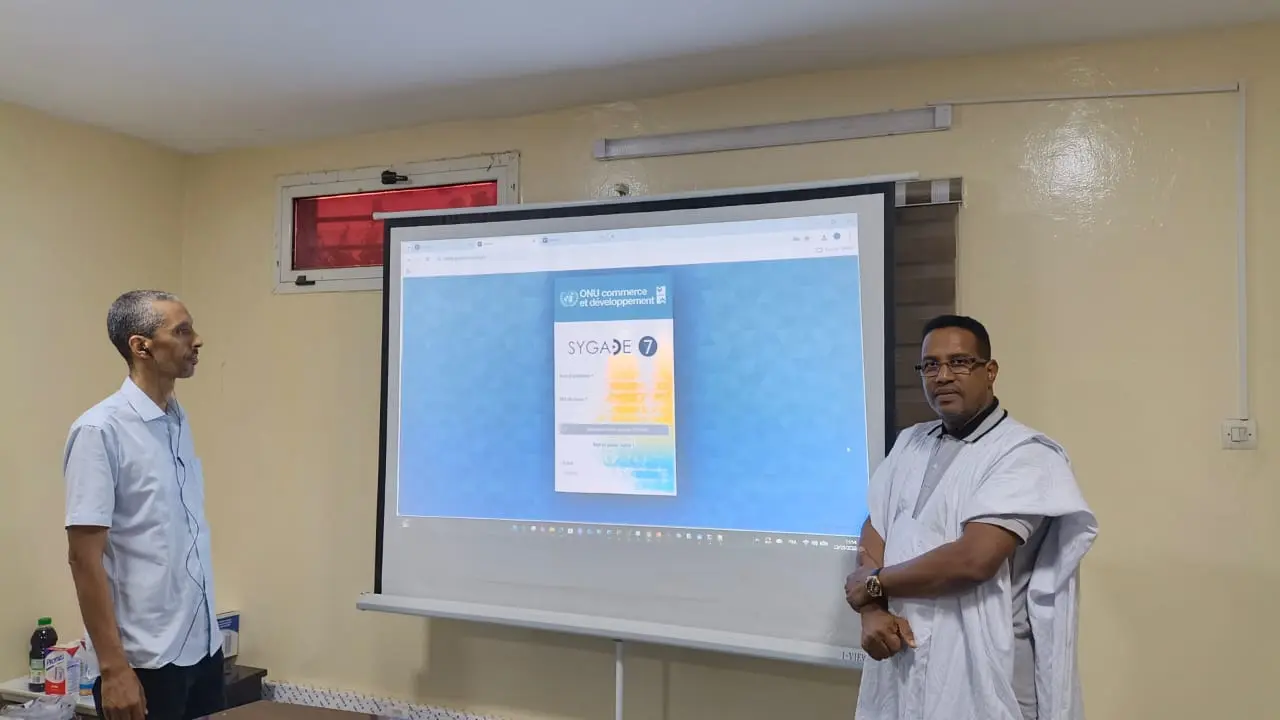
The Ministry of Finance runs the first DMFAS 7 in French, known as SYGADE 7.
Source: DMFAS Interim Annual Report 2026
Debt on record
Debt record Status Central government external debt Recorded Central government domestic debt Not in DMFAS Procedures manual Not yet Disaster recovery Not yet Source: DMFAS scope of use, 2025 (DMFAS Interim Annual Report 2026, annex 4)
- Published
Debt statistics bulletin
Mauritania publishes a debt statistics bulletin but does not yet produce a debt portfolio review.
Source: DMFAS scope of use, 2025 (DMFAS Interim Annual Report 2026, annex 4)
Public debt, % of GDP
40% in 2025, down from a peak of 71% in 2005. The IMF projects 38% in 2026.
Source: IMF World Economic Outlook, October 2026. How much a country borrows is a policy choice.
- Since 1995
DMFAS partner
DMFAS has run at the Ministry of Finance for more than 30 years.
Source: DMFAS Interim Annual Report 2026, annex 3
- New staff
Training
An amendment signed in 2026 adds DMFAS 7 training for new Ministry staff.
Source: DMFAS Interim Annual Report 2026
Timeline
Mauritania, 1995 to 2026DMFAS milestone| When | What happened | Source |
|---|---|---|
| 1995 | DMFAS is installed at the Ministry of Finance. | Annex 3 |
| 2005 | Public debt peaks at 71% of GDP. | IMF WEO |
| 2025 | Public debt is down to 40% of GDP. | IMF WEO |
| 2026 | Preparatory work for DMFAS 7. | DMFAS Interim Annual Report 2026 |
| 2026 | DMFAS 7 is installed at the Ministry of Finance, the first installation of the French version. | DMFAS Interim Annual Report 2026 |
| May 2026 | Basic training on SYGADE 7, the French version of DMFAS 7, for Ministry staff, ending with certificates. | DMFAS Programme |
| 2026 | An amendment to the project adds training for new staff. | DMFAS Interim Annual Report 2026 |
SYGADE is the French name of DMFAS.
The debt
General government gross debt, % of GDP- 71%in 2005, the peak
- 60%in 2015
- 40%in 2025
- 38%projected for 2026, the year of DMFAS 7
Source: IMF World Economic Outlook, October 2026. DMFAS records the debt; how much a country borrows is a policy choice.
Coverage and reporting
Mauritania, from the DMFAS scope table for 2025| Check | Status | Finding |
|---|---|---|
| DMFAS 7 installed | Complete | 2026, in French. |
| Central government external debt | Recorded | Recorded in DMFAS. |
| Debt statistics bulletin | Published | Mauritania publishes a bulletin. |
| Central government domestic debt | Not in DMFAS | Not recorded in DMFAS. |
| Debt portfolio review | Not yet | Not produced. |
| Procedures manual | Not yet | Back-office procedures are not yet documented. |
| Disaster recovery arrangements | Not yet | None in place for the DMFAS database. |
Source: DMFAS scope of use, 2025 (DMFAS Interim Annual Report 2026, annex 4).
People
DMFAS 7 training at the Ministry of Finance, May 2026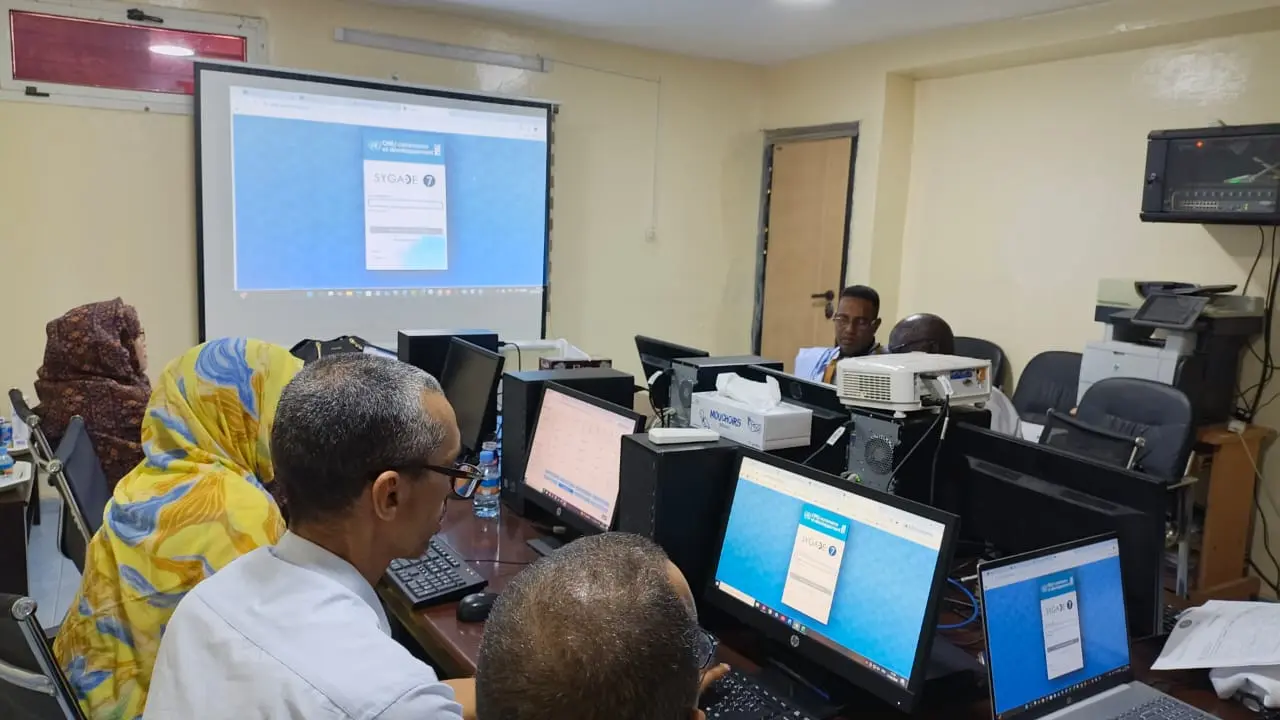
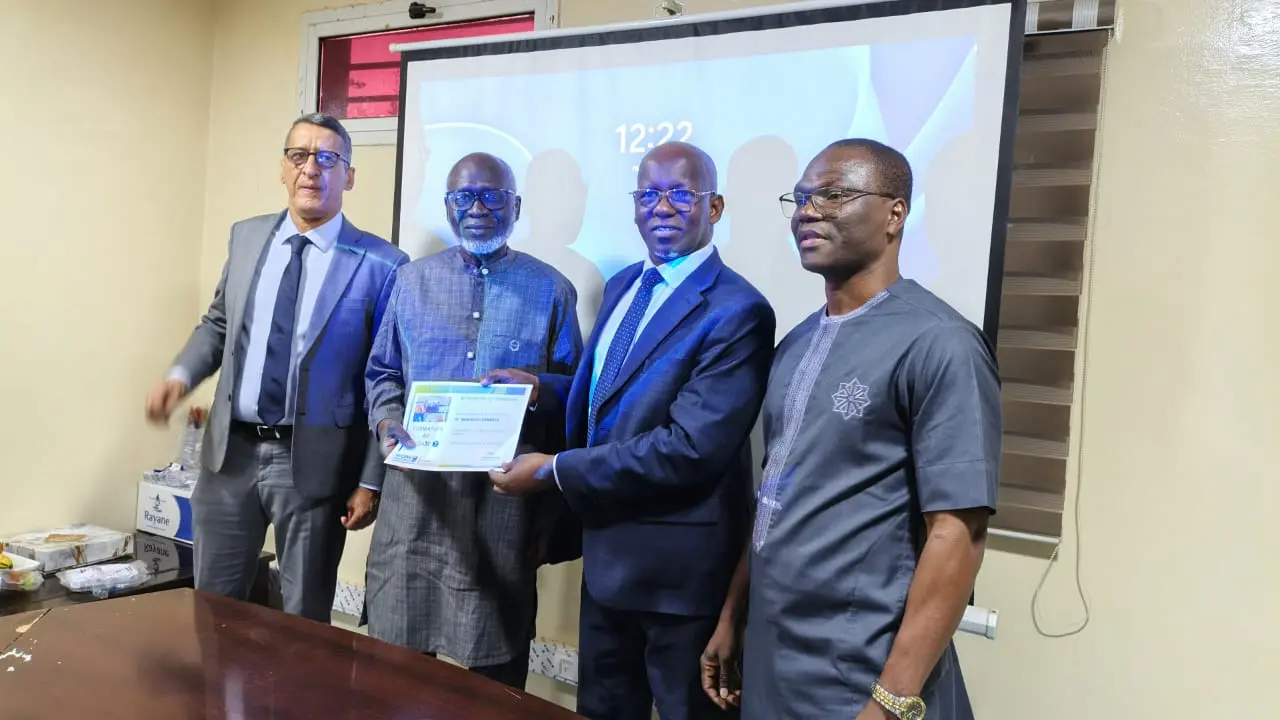

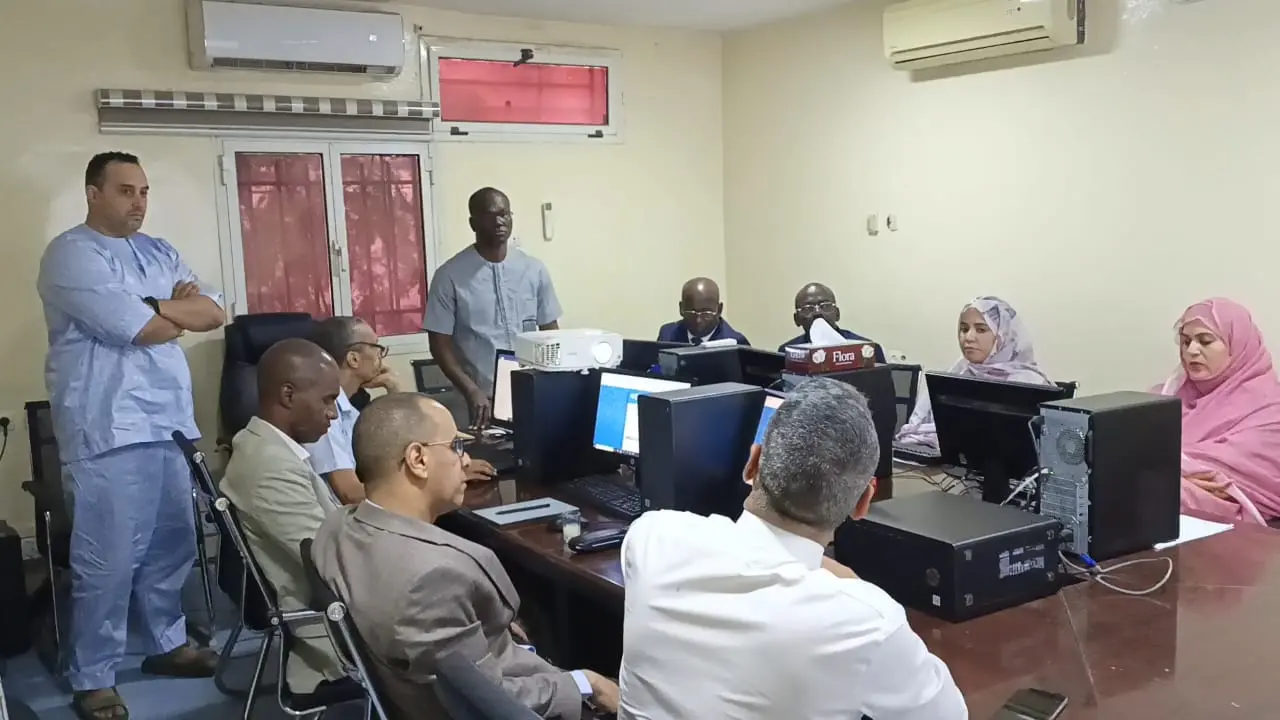
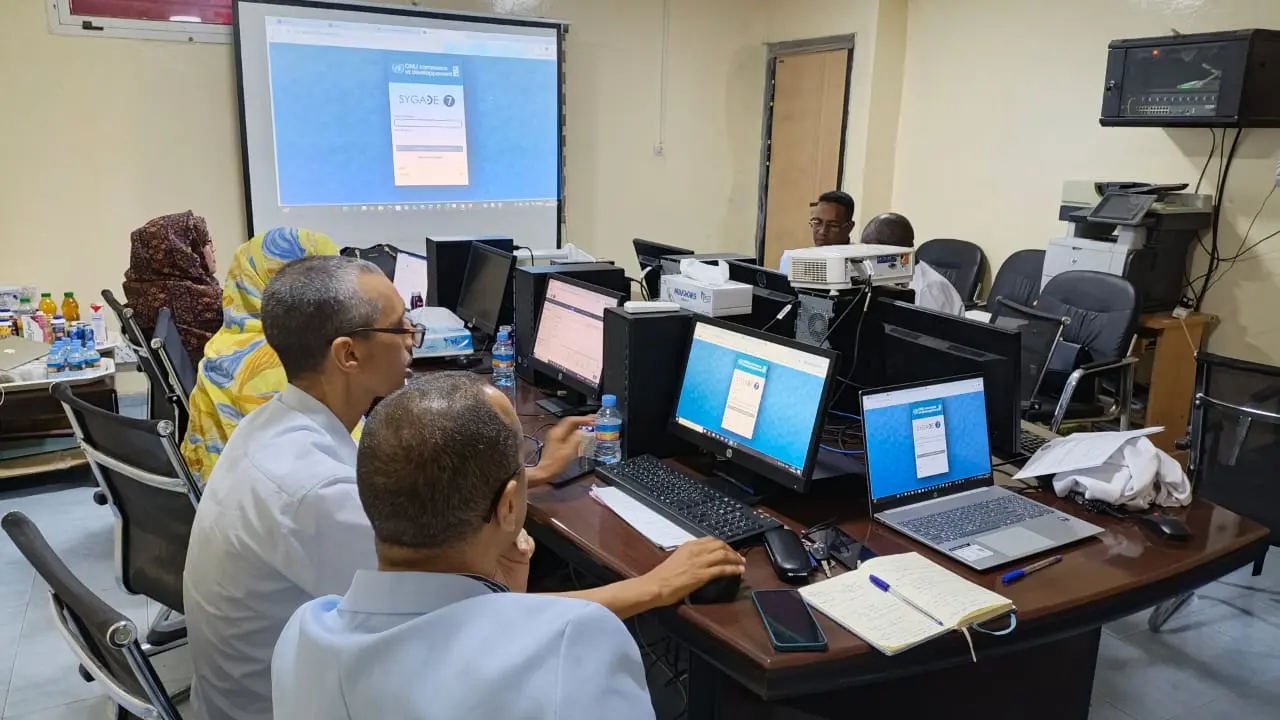
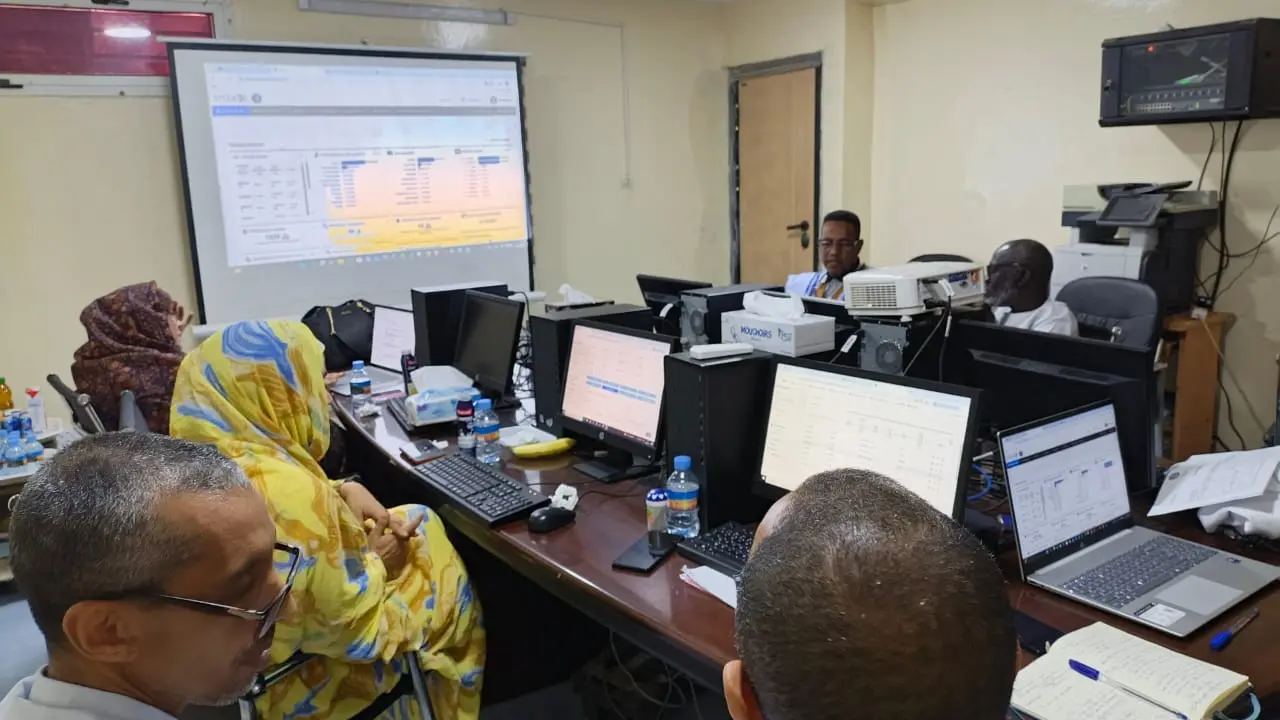
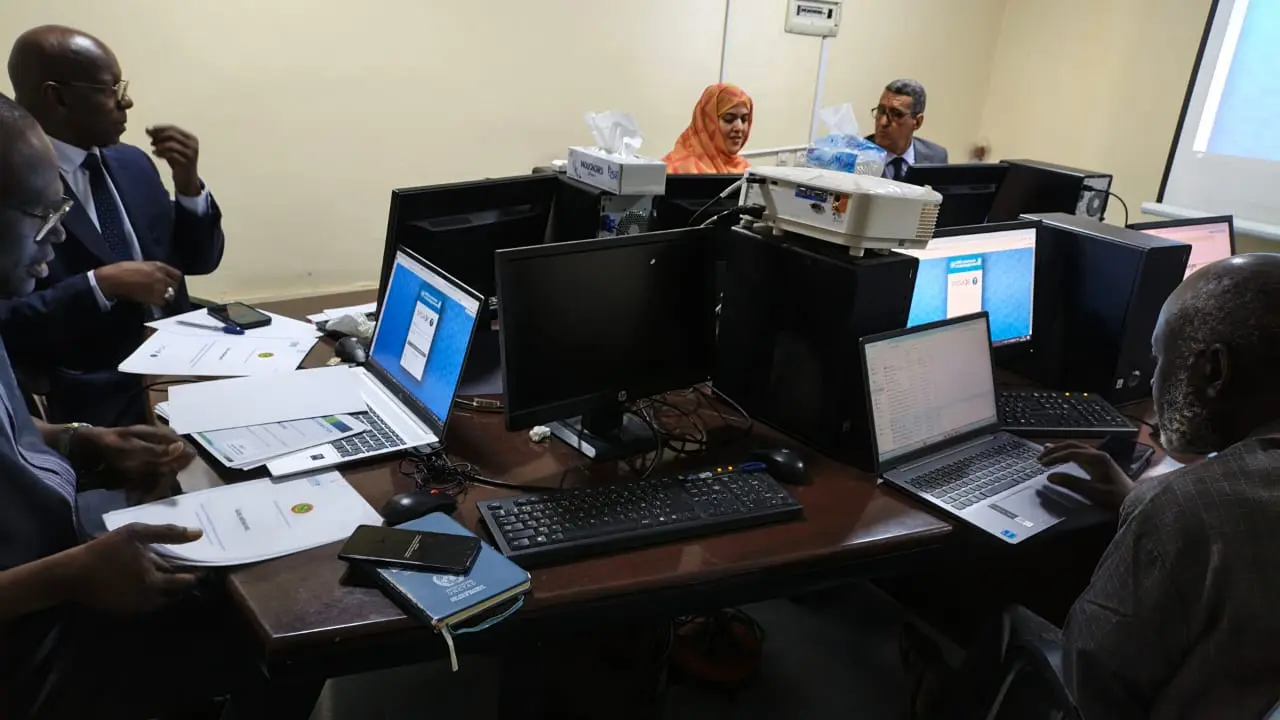
Photos: DMFAS Programme, May 2026.
What’s next
Where support can go next- Train the new teamDeliver the extra training for new staff agreed in 2026, so the system stays in skilled hands.
- Widen the recordBring domestic debt into DMFAS 7 alongside external debt.
- Write it downDocument back-office procedures and set up disaster recovery for the database.
Mauritania opened DMFAS 7 to French-speaking debt offices. Help it build on that start.
Partner with usBased on the gaps in the DMFAS scope table (DMFAS Interim Annual Report 2026, annex 4). To be agreed with the country before publication.
- Signed in 2026
DMFAS 7
The project covers DMFAS 7, capacity building and links with national financial systems. Installation is planned for end 2026 to 2027.
Source: DMFAS Interim Annual Report 2026
Debt on record
Debt record Status Central government external debt Recorded Central government domestic debt Recorded Procedures manual In place Disaster recovery In place Source: DMFAS scope of use, 2025 (DMFAS Interim Annual Report 2026, annex 4)
- Published
Debt statistics bulletin
Côte d’Ivoire publishes a debt statistics bulletin and a debt portfolio review.
Source: DMFAS scope of use, 2025 (DMFAS Interim Annual Report 2026, annex 4)
Public debt, % of GDP
57% in 2025, up from 25% in 2013. The IMF projects 58% in 2026.
Source: IMF World Economic Outlook, October 2026. How much a country borrows is a policy choice.
- Live
Treasury link
Budget estimates, disbursements, payment orders and confirmations flow between DMFAS and the treasury.
Source: DMFAS Interim Annual Report 2026, annex 5
- 46
Regional host
participants from 22 countries attended the debt strategy workshop in Abidjan in June 2026, co-organized with the African Development Bank.
Source: DMFAS Interim Annual Report 2026
Timeline
Côte d’Ivoire, 1998 to 2027DMFAS milestone| When | What happened | Source |
|---|---|---|
| 1998 | DMFAS is installed at the Ministry of Finance. | Annex 3 |
| 2025 | Côte d’Ivoire has all six core checks in place, from domestic debt records to disaster recovery. | Annex 4 |
| 2026 | A large project is signed: DMFAS 7, training in data quality, debt statistics and contingent liabilities, certification, and links with national financial systems. | DMFAS Interim Annual Report 2026 |
| Jun 2026 | Abidjan hosts a regional workshop on preparing data for medium-term debt strategies, run with the World Bank, the IMF and the African Development Bank: 46 participants from 22 countries. | DMFAS Interim Annual Report 2026 |
| End 2026 – 2027 | DMFAS 7 installation. | DMFAS Interim Annual Report 2026 |
The debt series is on the Debt tab.
The debt
General government gross debt, % of GDP- 74%in 2000
- 25%in 2013, the low
- 57%in 2025
- 58%projected for 2026
Source: IMF World Economic Outlook, October 2026. DMFAS records the debt; how much a country borrows is a policy choice.
Coverage and reporting
Côte d’Ivoire, from the DMFAS scope table for 2025| Check | Status | Finding |
|---|---|---|
| Central government external debt | Recorded | Recorded in DMFAS. |
| Central government domestic debt | Recorded | Recorded in DMFAS. |
| Debt statistics bulletin | Published | Côte d’Ivoire publishes a bulletin. |
| Debt portfolio review | Published | Produced. |
| Procedures manual | In place | Back-office procedures are documented. |
| Disaster recovery arrangements | In place | Arrangements exist for the DMFAS database. |
| Link with the treasury system | Live | Budget estimates, disbursements, payment orders and confirmations. |
| Link with cash management | In development | Being built. |
| DMFAS 7 | In progress | Project signed in 2026. |
Sources: DMFAS scope of use, 2025 (DMFAS Interim Annual Report 2026, annex 4); DMFAS Interim Annual Report 2026, annex 5.
People
Debt managers in Abidjan“One of the major strengths of this workshop was the opportunity to establish a genuine committee of debt managers responsible for developing the Strategy. Beyond the knowledge gained, this workshop represents an opportunity to build valuable social capital.”
What’s next
Where support can go next- Install DMFAS 7Move the complete DMFAS 6 record to DMFAS 7, as planned for end 2026 to early 2027.
- Go furtherTraining in contingent liabilities and certification of debt managers, both part of the 2026 project.
- Finish the linksComplete the cash management interface now in development.
Côte d’Ivoire already has every core check in place. Help it take that record onto DMFAS 7.
Partner with usSource: DMFAS Interim Annual Report 2026.
- Signed in 2026
DMFAS 7
The project covers DMFAS 7, capacity building and links with national financial systems. Installation is planned for end 2026 to 2027.
Source: DMFAS Interim Annual Report 2026
Debt on record
Debt record Status Central government external debt Recorded Central government domestic debt Recorded Procedures manual In place Disaster recovery In place Source: DMFAS scope of use, 2025 (DMFAS Interim Annual Report 2026, annex 4)
- Published
Debt statistics bulletin
Gabon publishes a debt statistics bulletin and a debt portfolio review.
Source: DMFAS scope of use, 2025 (DMFAS Interim Annual Report 2026, annex 4)
Public debt, % of GDP
84% in 2025, up from 20% in 2008. The IMF projects 84% in 2026.
Source: IMF World Economic Outlook, October 2026. How much a country borrows is a policy choice.
- Pilot
Certification
Gabon is helping UNCTAD develop the DMFAS certification programme.
Source: DMFAS Interim Annual Report 2026
- Partial
Treasury link
DMFAS sends payment orders to the treasury system and shares reference data with it. Links for budget and disbursement data are still to come.
Source: DMFAS Interim Annual Report 2026, annex 5
Timeline
Gabon, 2001 to 2027DMFAS milestone| When | What happened | Source |
|---|---|---|
| 2001 | DMFAS is installed at the Ministry of Finance. | Annex 3 |
| 2025 | Gabon has all six core checks in place, from domestic debt records to disaster recovery. | Annex 4 |
| 2026 | A large project is signed: DMFAS 7, training in data quality, debt statistics and contingent liabilities, certification, and links with national financial systems. | DMFAS Interim Annual Report 2026 |
| 2026 | A data validation workshop, and a specialized workshop on developing the certification programme. | DMFAS Interim Annual Report 2026 |
| End 2026 – 2027 | DMFAS 7 installation. | DMFAS Interim Annual Report 2026 |
The debt series is on the Debt tab.
The debt
General government gross debt, % of GDP- 81%in 2001
- 20%in 2008, the low
- 84%in 2025
- 84%projected for 2026
Source: IMF World Economic Outlook, October 2026. DMFAS records the debt; how much a country borrows is a policy choice.
Coverage and reporting
Gabon, from the DMFAS scope table for 2025| Check | Status | Finding |
|---|---|---|
| Central government external debt | Recorded | Recorded in DMFAS. |
| Central government domestic debt | Recorded | Recorded in DMFAS. |
| Debt statistics bulletin | Published | Gabon publishes a bulletin. |
| Debt portfolio review | Published | Produced. |
| Procedures manual | In place | Back-office procedures are documented. |
| Disaster recovery arrangements | In place | Arrangements exist for the DMFAS database. |
| Link with the treasury system | Partial | Payment orders and reference data; no budget or disbursement link. |
| DMFAS 7 | In progress | Project signed in 2026. |
Sources: DMFAS scope of use, 2025 (DMFAS Interim Annual Report 2026, annex 4); DMFAS Interim Annual Report 2026, annex 5. Helpdesk: 17 of 18 DMFAS 6 requests resolved (DMFAS Interim Annual Report 2026, annex 6).
What’s next
Where support can go next- Install DMFAS 7Move Gabon’s DMFAS 6 record to DMFAS 7, as planned for end 2026 to early 2027.
- Certify the teamTurn the certification work started in 2026 into recognized skills for Gabon’s debt managers.
- Complete the treasury linkAdd budget and disbursement data to the existing payment-order link.
Gabon is helping shape DMFAS certification. Help it finish the move to DMFAS 7.
Partner with usSource: DMFAS Interim Annual Report 2026.
- Installing end 2026
DMFAS 7
Conversion of the debt database began in May 2026, and DMFAS 7 is due to be installed by the end of the year.
Source: DMFAS Interim Annual Report 2026
Debt on record
Debt record Status Central government external debt Recorded Central government domestic debt Recorded Procedures manual In place Disaster recovery Not yet Source: DMFAS scope of use, 2025 (DMFAS Interim Annual Report 2026, annex 4)
- Published
Debt statistics bulletin
Viet Nam publishes a debt statistics bulletin and a debt portfolio review.
Source: DMFAS scope of use, 2025 (DMFAS Interim Annual Report 2026, annex 4)
Public debt, % of GDP
31% in 2025, down from a peak of 48% in 2016. The IMF projects 28% in 2026.
Source: IMF World Economic Outlook, October 2026. How much a country borrows is a policy choice.
- 5.3 → 7
The move
Viet Nam is skipping DMFAS 6 and going straight from version 5.3 to DMFAS 7.
Source: DMFAS Interim Annual Report 2026
- Since 1996
Cooperation
The Ministry of Finance has used DMFAS for 30 years. In 2017, UNCTAD and the Government signed a memorandum of understanding on debt and development finance strategies.
Source: DMFAS Interim Annual Report 2026, annex 3; UNCTAD news (2017)
Timeline
Viet Nam, 1996 to 2026DMFAS milestone| When | What happened | Source |
|---|---|---|
| 1996 | DMFAS is installed at the Ministry of Finance. | Annex 3 |
| Sep 2017 | UNCTAD and the Government sign a memorandum of understanding on debt and development finance strategies. | UNCTAD news |
| 2026 | Viet Nam decides to move directly from DMFAS 5.3 to DMFAS 7. | DMFAS Interim Annual Report 2026 |
| May 2026 | Data conversion and clean-up of the debt database begin. | DMFAS Interim Annual Report 2026 |
| End 2026 | DMFAS 7 installation planned. | DMFAS Interim Annual Report 2026 |
The debt series is on the Debt tab.
The debt
General government gross debt, % of GDP- 25%in 2000
- 48%in 2016, the peak
- 31%in 2025
- 28%projected for 2026
Source: IMF World Economic Outlook, October 2026. DMFAS records the debt; how much a country borrows is a policy choice.
Coverage and reporting
Viet Nam, from the DMFAS scope table for 2025| Check | Status | Finding |
|---|---|---|
| Central government external debt | Recorded | Recorded in DMFAS. |
| Central government domestic debt | Recorded | Recorded in DMFAS. |
| Debt statistics bulletin | Published | Viet Nam publishes a bulletin. |
| Debt portfolio review | Published | Produced. |
| Procedures manual | In place | Back-office procedures are documented. |
| Disaster recovery arrangements | Not yet | None in place for the DMFAS database. |
| DMFAS 7 | In progress | Database conversion under way since May 2026. |
Sources: DMFAS scope of use, 2025 (DMFAS Interim Annual Report 2026, annex 4); DMFAS Interim Annual Report 2026.
What’s next
Where support can go next- Finish the moveComplete the database conversion and install DMFAS 7 before the end of 2026.
- Train the usersTrain the debt office on DMFAS 7, which works very differently from version 5.3.
- Plan for continuitySet up disaster recovery arrangements, the one core check not yet in place.
Viet Nam is jumping two versions at once. Help it land safely on DMFAS 7.
Partner with usBased on the gaps in the DMFAS scope table (DMFAS Interim Annual Report 2026, annex 4). To be agreed with the country before publication.
4 countries on DMFAS 7, 7 more on the way. The goal is 34 by 2028.
Each move is a project with a country, and the pace depends on funding: in 2023 a shortfall in donor funding meant the Programme carried out only part of its plan.
- First beta test, in Jordan
- Zambia, the first country on DMFAS 7
- South Sudan and Rwanda follow
- Mauritania, the first installation in French
- Viet Nam, straight from DMFAS 5.3; Côte d’Ivoire, Gabon and Senegal; Congo; Paraguay; and Río Negro, Argentina, the first in Spanish
Sources: DMFAS Annual Reports 2023, 2024 and 2025; DMFAS Interim Annual Report 2026.
What your support makes possible
- 01
Faster DMFAS 7 deployment
More countries moved to the new system, sooner, with their debt data and their teams ready for it.
- 02
Skilled debt offices
Training that stays with the people who run a country’s debt records, from first steps in DMFAS 7 to the new certification programme for debt managers.
- 03
Support that does not stop
The software maintenance, helpdesk and technical support that 85 institutions rely on every working day.
Donors to the Programme have included France, Germany, Ireland, the Netherlands, Switzerland and the European Union, which signed a new three-year agreement in 2025. Donors help steer the Programme through the DMFAS Advisory Group, next meeting in Geneva on 10–11 December 2026. About the meeting
Find what you need
Start from what brings you here.
For debt offices
Use DMFAS in your ministry of finance or central bank.
For partners and funders
Support stronger debt management in developing countries.
For researchers and the public
Learn about debt management and the programme.