This project helps the Democratic Republic of the Congo turn mineral wealth into diversified industries, jobs and resilient growth.
Overview
Economic diversification and productive complexity are vital for sustainable, long-term growth. Countries that produce more complex products — those requiring advanced skills, knowledge, and technology — tend to be more resilient and grow faster over time. For many developing economies, especially those dependent on exports of primary commodities, diversification is key to structural transformation and reduced vulnerability to external shocks.
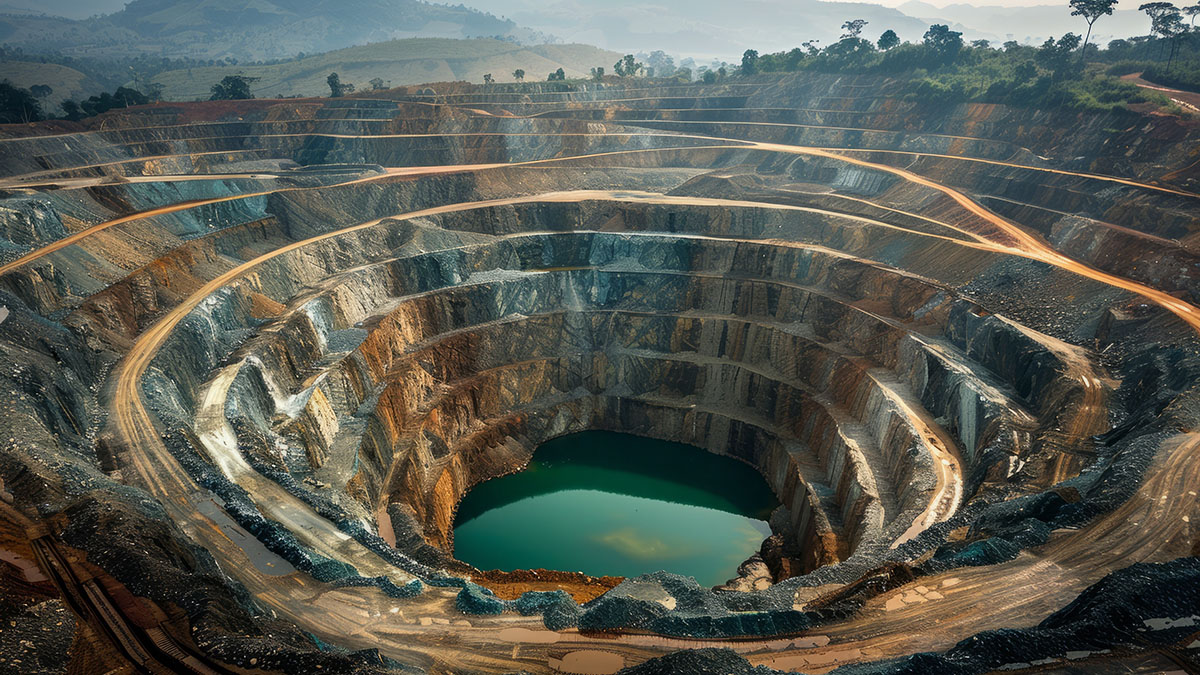
In Central Africa, this imperative coincides with rising global demand for Critical Energy Transition Minerals (CETMs) such as copper, cobalt, graphite, lithium, and rare earths — essential inputs for renewable energy technologies like solar panels, batteries, and wind turbines.
Building on a previous initiative supported by the Government of Japan, this project applies UNCTAD’s analytical framework and methodology to the Democratic Republic of the Congo, helping the country translate its mineral wealth — namely cobalt, copper and lithium — into value addition, economic diversification, and broader industrial development.
About the Project
This project supports the beneficiary country in identifying high-potential opportunities for value addition and diversification, both within and beyond CETM-related value chains. It applies economic complexity and product space analysis, combined with in-depth consultations with the private sector, to identify products that could be feasibly produced in the country and to guide evidence-based policymaking.
Objective
- Identify new, more complex products and sectors with diversification and export potential, within and beyond the CETM value chains.
- Prioritize products and sectors through consultations with the private sector and in line with national priorities.
- Recommend targeted policy instruments and the institutional and regulatory frameworks needed to support value addition and diversification into priority products and sectors.
Methodology
The project uses economic complexity and product space analysis to identify realistic pathways for value addition and diversification.
- Economic complexity assesses existing capabilities — skills, infrastructure, institutions and know-how — to determine readiness for more complex production.
- Product space analysis uses UNCTAD trade data covering some 49,000 products disaggregated by price range to identify the products that best match the country’s current strengths and capabilities, while highlighting related products and sectors to be developed.
The project also includes:
- Stakeholder mapping across CETM value chains with government and civil society partners.
- Private sector consultations to validate the results of the analysis, identify products that could be feasibly produced in the country, and prioritize those with above-average economic complexity and export potential, in line with national priorities.
- Identification of targeted policy instruments and of the institutional and regulatory frameworks needed to support strategic value addition and diversification, based on a priority selection of products.
- Dissemination of results at national and regional levels, notably through UN country teams and at relevant intergovernmental meetings, including those of UNCTAD.
Intended Outcomes
The project will deliver a final report, featuring:
- Productive structure diagnostic: A detailed assessment of national production capacities using relevant national data.
- Diversification opportunities: Identification of high-potential products and sectors aligned with existing capabilities.
- Product portfolio: Products selected through multi-stakeholder workshops and consultations, with validated results and priority sectors.
- Policy roadmap: Strategic recommendations on investment, innovation, and industrial policy to support value addition and diversification.
Link to the SDGs
This project directly contributes to:
- SDG 8: Decent Work and Economic Growth
- SDG 9: Industry, Innovation and Infrastructure


Project Code
TPAM
Donors
Gouvernement du Japon
Beneficiaries
République démocratique du Congo

Duration
2026-2027