
Global supply chains are increasingly exposed to geopolitical tensions and climate-related shocks. Disruptions in the Red Sea, for example, have led many vessels to reroute around the Cape of Good Hope, increasing transit times, transport costs and uncertainty for international trade, including food shipments to East Africa. These pressures are compounded by recurring droughts, floods and changing rainfall patterns that affect agricultural production and food distribution.
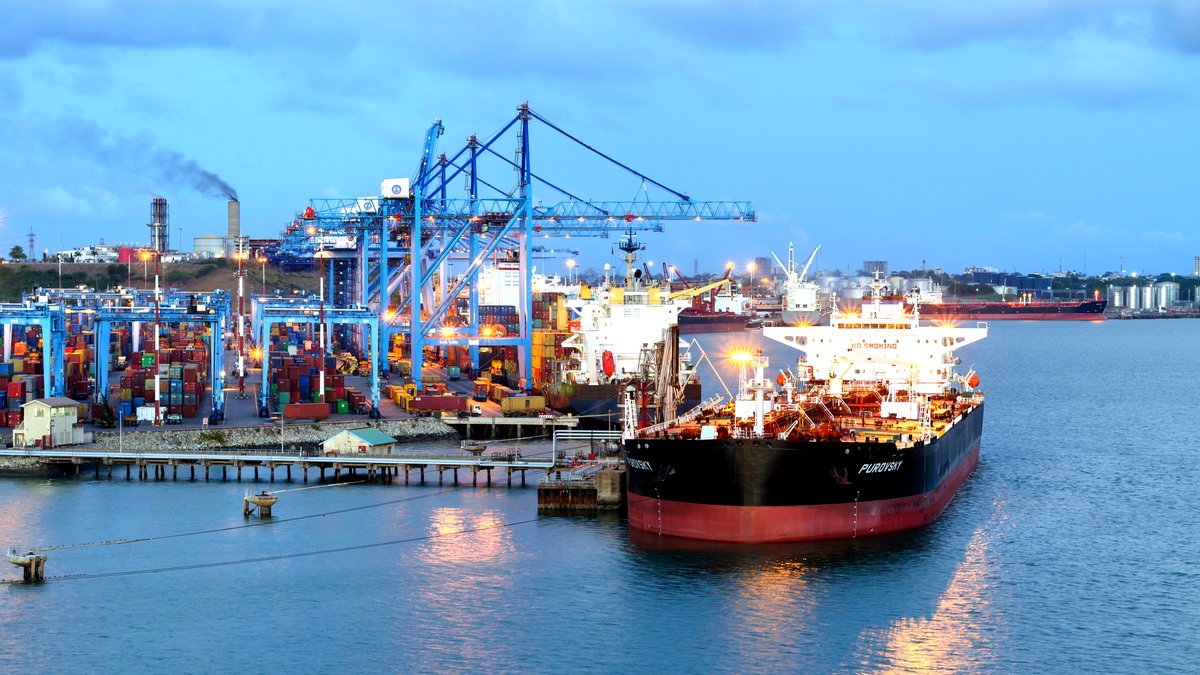
For Kenya, reliable maritime services through the Port of Mombasa and efficient inland transport links are essential for connecting international suppliers, agricultural areas, markets and consumers. Disruptions to shipping, ports or roads can therefore affect food availability and affordability. Policymakers need integrated analytical tools to identify these vulnerabilities, simulate disruption scenarios and compare transport and trade policy responses.
Objective
The project aims to develop and deploy a practical, scenario-based simulation and decision-support tool, with a focus on Kenya. By integrating maritime shipping, trade and road network data, the tool will help policymakers assess how transport and trade disruptions affect food supply chains and compare the potential effects of different policy and infrastructure interventions. It also aims to strengthen the capacity of policymakers and technical staff to interpret simulation results and translate them into evidence-based policy actions.
Activities
The project’s principal activities are to:
- Develop a simulation tool integrating data on global maritime networks, trade and supply-chain structures, and Kenya’s road network infrastructure.
- Consult Kenyan stakeholders to identify priority transport, logistics and food security challenges.
- Develop and analyse scenarios covering shipping disruptions, freight rate changes, improvements to ports and rural roads, trade measures and import source diversification.
- Validate and refine the tool, strengthen user capacity, and disseminate the tool and project findings.
Intended outcomes
The project is intended to deliver a user-friendly simulation and decision-support tool that institutions can use to assess supply-chain vulnerabilities and compare transport and trade policy options. It is also expected to strengthen the capacity of participating policymakers and technical staff in Kenya to interpret analytical results, identify appropriate responses and formulate evidence-based policy recommendations. In the longer term, these capabilities can support better-informed transport and infrastructure planning, stronger preparedness for disruptions and more resilient food supply chains.
Link to the Sustainable Development Goals (SDGs)
The project contributes most directly to:
- SDG 2 (Zero Hunger), by supporting policies that improve the reliability and resilience of food supply chains.
- SDG 9 (Industry, Innovation and Infrastructure), by applying digital modelling to transport and infrastructure planning.
It also supports:
- SDG 1 (No Poverty), by helping reduce vulnerable populations’ exposure to food-supply and price shocks.
- SDG 8 (Decent Work and Economic Growth), through more reliable trade and logistics systems and strengthened institutional skills.
- SDG 17 (Partnerships for the Goals), through collaboration among government institutions, international organizations, technical experts and other stakeholders.


Project Code
KEN/0T/PAO
Partners
Japan International Cooperation Agency (JICA)
Donors
Government of Japan
Beneficiaries
Kenya

Duration
2026–2027
Budget
$ 66,666
Contact
Frida Youssef
Chief of the Transport Section
Division on Technology and Logistics
UN Trade and Development (UNCTAD)
[email protected]
Hidenobu Tokuda
Associate Economic Officer
Transport Section
Division on Technology and Logistics
UN Trade and Development (UNCTAD)
[email protected]