
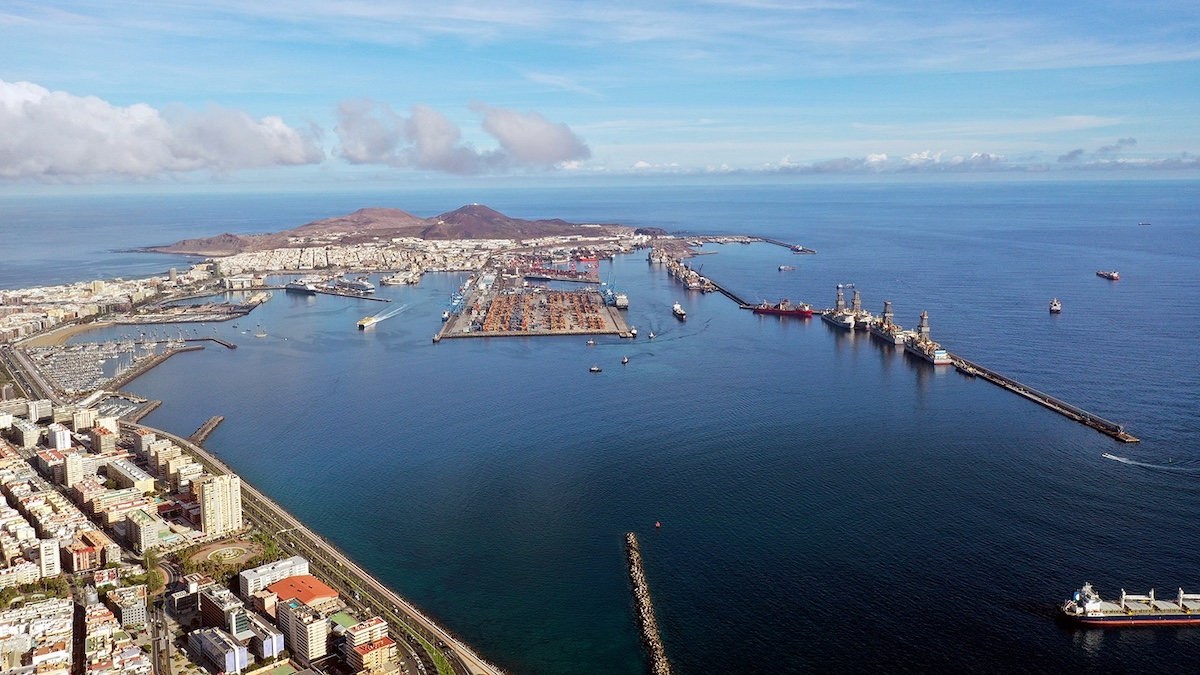
Port of Las Palmas
Credits: Port Authority of Las Palmas
The UNCTAD TrainForTrade Port Management Programme (PMP) supports port communities in developing countries in delivering more efficient and competitive port management in the future. In order to increase trade flows and foster economic development, the programme creates port networks bringing together public, private and international entities. The aim is to share knowledge and expertise between port operators and strengthen talent management and human resources development in port communities.
The PMP’s main objectives
- Strengthen institutional capacity and management efficiency of ports and related agencies.
- Promote port community participation and public-private partnerships.
- Enhance the competitiveness of ports and the quality of their services.
- Improve the environmental sustainability and social responsibility of ports.
The PMP provides technical assistance in various areas, including port planning, management and operations, logistics and supply chain management, port security, safety and environmental protection, and legal and regulatory frameworks. It also organizes training courses, workshops, and seminars, as well as conducts research and analysis on port-related issues.
Programme outline
As part of the activities of the Spanish-speaking network of the TrainForTrade Port Management Programme, a study tour is being organized to the ports of Cartagena and Las Palmas, in cooperation with their respective Port Authorities.
The study tour aims to strengthen the exchange of knowledge and experiences among port communities through working meetings with representatives of the port authorities and guided visits to the ports. It will also provide an opportunity to share good practices and modern port management models in key areas such as governance, strategic planning, operational efficiency, sustainability and port-city integration.
The activity is aimed at directors and managers of port authorities from Latin American countries and will bring together 9 participants, including 3 women, from different countries, including Argentina, Bolivia and Peru.
