



Amid ongoing disruptions to maritime transport, how can the world ensure that the resulting increase in shipping costs does not place a disproportionate burden on small and structurally weak economies?
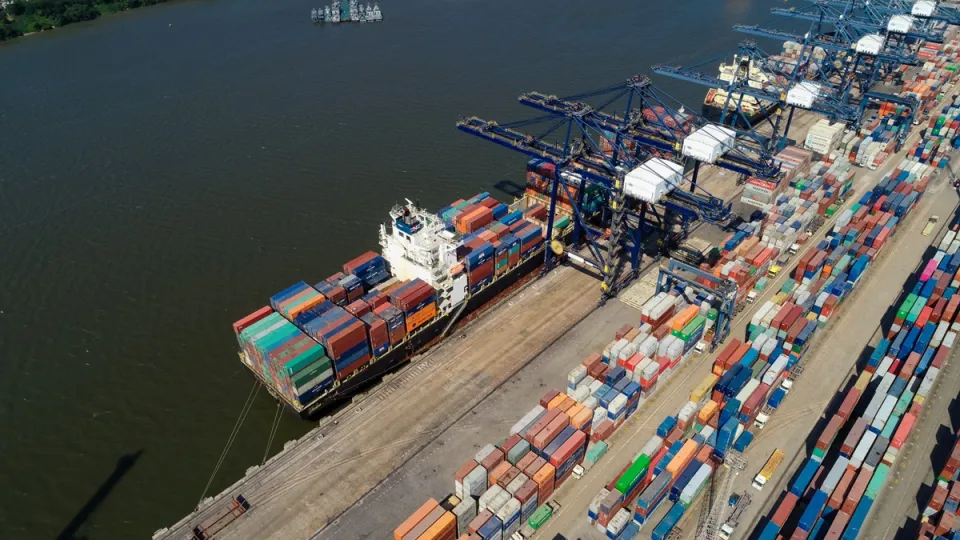
© Shutterstock/STORYVIBES27 | Dar es Salaam, United Republic of Tanzania.
A sustained 70–80% rise in maritime fuel costs could increase consumer prices by 0.35% in least developed countries (LDCs), almost twice the global average of 0.19%.
Small island developing states (SIDS) could also face disproportionate impacts, with consumer prices estimated to rise by 0.27%, according to the Review of Maritime Transport 2026, published by UN Trade and Development (UNCTAD) on 26 November.
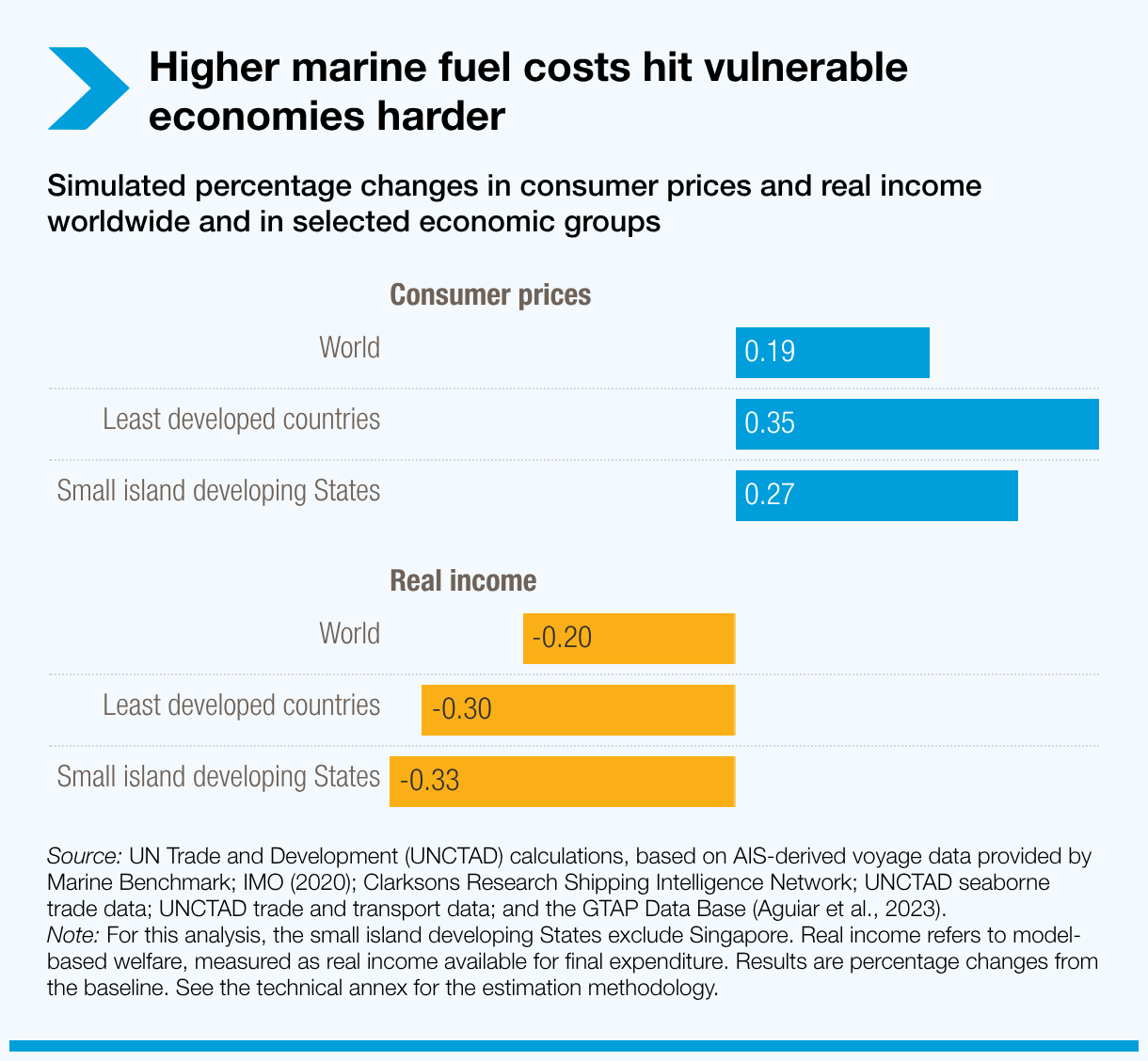
The projections reflect how higher maritime fuel costs, following disruptions in the Strait of Hormuz, could affect consumer prices.
The estimated increase is comparable to the rise in average maritime fuel costs between January–February and March–June 2026, assuming that higher costs are sustained through the end of 2027.
How shipping costs feed through to consumers
Maritime fuel or bunker fuel is a major operating cost for shipping companies. When fuel prices rise, so can the cost of transporting goods, including imported consumer goods and production inputs, eventually feeding through to consumer prices.
The simulations in the report isolate the impact of higher maritime fuel costs, while excluding the broader economic effects of general oil price increases.
The overall impact of an energy price shock could therefore be greater.
Why LDCs and SIDS are more exposed
LDCs continue to lag significantly behind the rest of the world in liner shipping connectivity, despite having improved their liner shipping connectivity about three times faster over the past two decades.
These economies, along with SIDS, are particularly exposed because their imports often travel along longer, indirect routes through transshipment hubs. This increases cumulative fuel consumption and leaves them with few alternatives when shipping routes are disrupted.
Their greater reliance on imported goods for consumption and domestic production has also been a factor.
Heavy imports of often lower-value goods tend to incur higher fuel costs relative to their value.
How to strengthen resilience
Higher shipping costs can make essential imports less affordable, raise costs for businesses and reduce households’ purchasing power, the report warns.
It calls for closer monitoring of freight markets and shipping costs, better assessment of their implications, as well as stronger capacity in developing countries to respond to rising transport costs.
It also recommends coordinating advance planning to manage multi-hazard disruptions, investment in sustainable and resilient ports and logistics networks, as well as enhanced trade facilitation to ensure that goods continue to move reliably and affordably across supply chains.
Equally important is the need to mitigate shipping cost increases by improving efficiency, sustainability and resilience.
More energy-efficient ships and a shift to cleaner fuels can help decarbonize shipping and reduce the sector’s exposure to volatile fossil fuel prices.
These efforts will be crucial to helping vulnerable economies, particularly LDCs and SIDS, maintain access to essential goods and reducing the risks of future disruptions deepening existing vulnerabilities.