


The country makes strides in modernizing its customs operations, improving efficiency and transparency across Central Asia’s trade corridors.
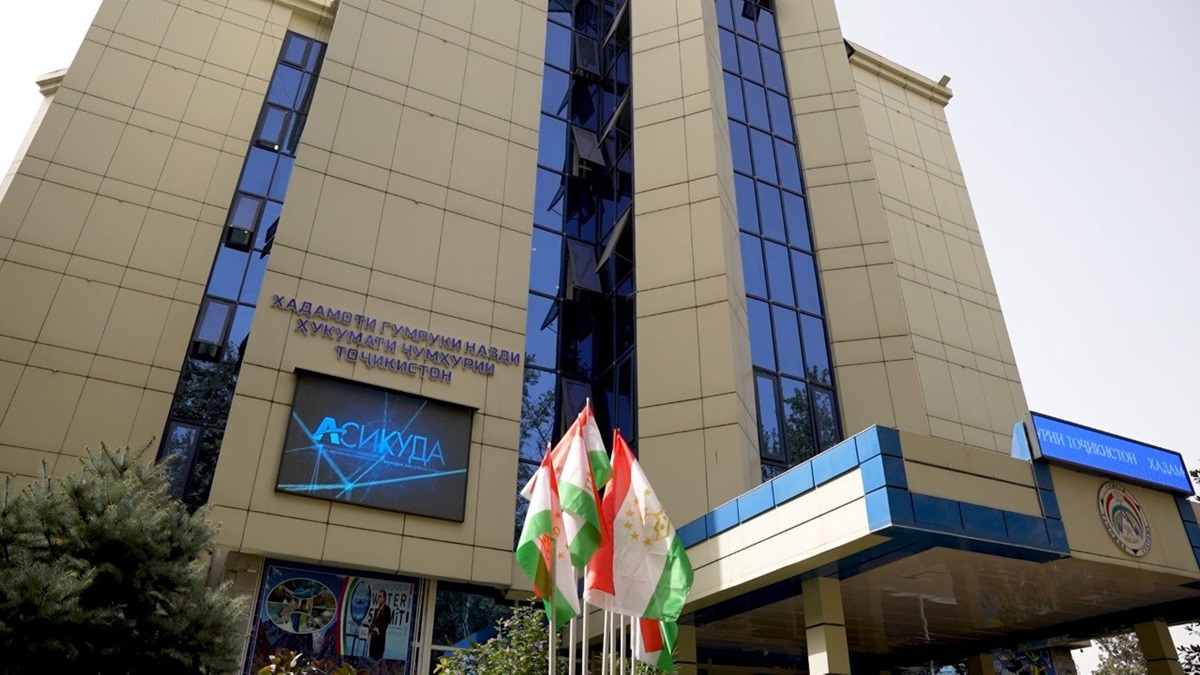
© Tajik Customs Service Press Office | Tajikistan’s Customs Service headquarters in Dushanbe, where the ASYCUDAWorld system is now operational and visible on the main display.
In Tajikistan, one of the world’s most land-linked economies, every hour saved at the border can translate into new opportunities for growth. Faster clearance, transparent procedures and efficient data exchange are essential to keeping trade moving in a region where terrain and distance often define the speed of commerce.
A sweeping digital transformation is underway at the Customs Service of the Republic of Tajikistan, with support from the World Bank’s Central Asia Regional Links Programme (CARS-4) and the Automated System for Customs Data (ASYCUDA) programme of UN Trade and Development (UNCTAD).
The shift from paper-based processes to automated procedures under the UNCTAD-backed ASYCUDAWorld system plays a key role in modernizing how goods and passengers cross Tajikistan’s borders.
Digital customs driving efficiency and trust
In Tajikistan, all import and export declarations are processed through the ASYCUDAWorld system starting 1 Octobre 2025. This allows traders to file documents online and pre-declare goods before arrival.
The change has reduced clearance times from days to hours, giving businesses greater predictability and cutting costs for transporters and logistics firms. For traders, it means fewer delays, less paperwork and simpler compliance procedures.
The digital system also supports cashless payments and real-time risk analysis, helping customs officers allocate inspections more effectively while improving transparency and revenue collection.
Seamless travel through digital passenger declarations
The modernization drive extends beyond trade cargo. In May 2025, Tajikistan’s Customs Service launched the Passenger Declaration Module under ASYCUDAWorld, allowing travelers to submit customs declarations electronically through a centralized and secure platform.
This digital service simplifies border crossings, eliminates manual paperwork and provides real-time validation and traceability of declarations.
Passengers experience shorter waiting times and clearer processes, while customs officers gain access to standardized data that strengthens risk management and compliance. The module also supports cashless transactions, advancing Tajikistan’s broader digital transformation and financial inclusion goals.
A connected future for Central Asia
These reforms are part of Tajikistan’s national strategy to digitalize public administration and enhance its participation in regional trade frameworks such as the Commonwealth of Independent States and the Shanghai Cooperation Organization.
By harmonizing customs procedures and enabling secure data exchange, the ASYCUDAWorld system is helping Tajikistan integrate more effectively into regional supply chains that link Central Asia with South Asia, the Middle East and Europe.
The reform also contributes directly to the UN’s Sustainable Development Goals, particularly those on resilient infrastructure, innovation and sustainable economic growth.
Continuous system enhancements are under way to incorporate emerging technologies, including artificial intelligence, to further improve border security, facilitate data-driven decision-making and strengthen institutional capacity.
Sustaining momentum
UNCTAD will continue to work with Tajik authorities to expand digital trade capabilities and ensure that businesses and travelers benefit from faster and more transparent customs services.
Tajikistan’s experience shows how innovation and international cooperation can redefine the meaning of connectivity, transforming digital reforms at the border into drivers of economic resilience and regional integration.