

Global supply chains are central to international trade and development. When they function well, they support economic growth, job creation and access to essential goods and services.
But recent disruptions have exposed vulnerabilities in increasingly interconnected supply chains and underscored the need to make them more resilient, sustainable and inclusive.
The 2nd UNCTAD Global Supply Chain Forum (GSCF) will bring together governments, the private sector, international and regional organizations, academia and other stakeholders to tackle these challenges collectively and advance practical solutions.

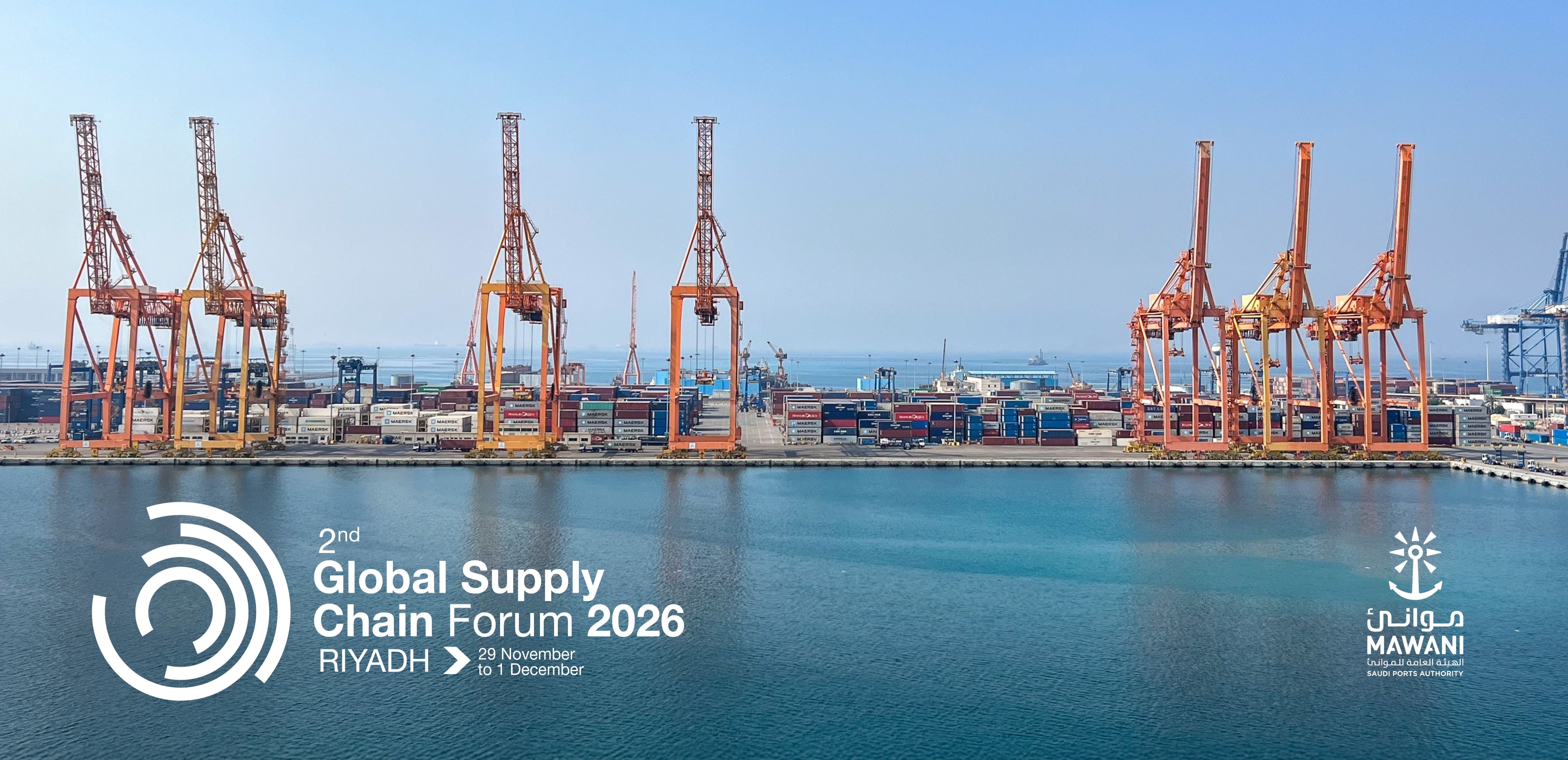
Organized by UN Trade and Development (UNCTAD) in partnership with the Saudi Ports Authority (MAWANI), GSCF will take place in 2027 in Riyadh, Kingdom of Saudi Arabia. Updated information will be made available on this website.
It will be held in conjunction with the Global Logistics Forum (GLF), organized by the Kingdom of Saudi Arabia's Ministry of Transport and Logistics Services.
Building on previous commitments
The 2nd GSCF builds on the inaugural UNCTAD Global Supply Chain Forum, held in Bridgetown, Barbados, in 2024, which brought together more than 1,200 participants and over 200 speakers and 100 partners, launching more than 30 initiatives to strengthen supply chain resilience and sustainability.
It also builds on the 16th UN Conference on Trade and Development (UNCTAD16), including its ministerial roundtable on resilient, sustainable and inclusive supply chains. The Geneva Consensus, adopted at the conference, recognizes the GSCF as a platform to support policy discussions, cooperation mechanisms and transport networks.
From challenges to practical solutions
Discussions at the 2nd GSCF will focus on ways to address supply chain challenges in a rapidly changing global environment. Participants will explore how countries and businesses can better prevent, mitigate, adapt to and recover from disruptions.
Objectives
- Advance understanding and dialogue on current and emerging supply chain challenges and their implications for trade and development.
- Identify practical solutions and policy responses to make global supply chains more resilient, sustainable and inclusive.
- Promote cooperation and partnerships among governments, the private sector, international organizations and other stakeholders.
- Encourage innovation and the safe and secure use of technology to prevent, mitigate and respond to supply chain disruptions.
- Support developing countries and vulnerable economies in strengthening their participation in and connectivity to global and regional supply chains.
- Translate dialogue into concrete actions, initiatives, partnerships and recommendations that strengthen supply chain resilience and support sustainable development.
Topics
Through high-level discussions and technical sessions, policymakers, industry professionals, businesses and experts will share experiences, good practices and innovative approaches to current and emerging supply chain challenges.
- Resilient and sustainable transport and logistics
- Trade facilitation
- Transport connectivity
- Digitalization and frontier technologies
- Infrastructure and investment
- Climate resilience
- Regional cooperation
- Specific needs of developing and vulnerable economies