

UNCTAD Deputy Secretary-General outlined a strategy for partnerships that help developing countries expand domestic refining and processing and better connect mining to other economic sectors.
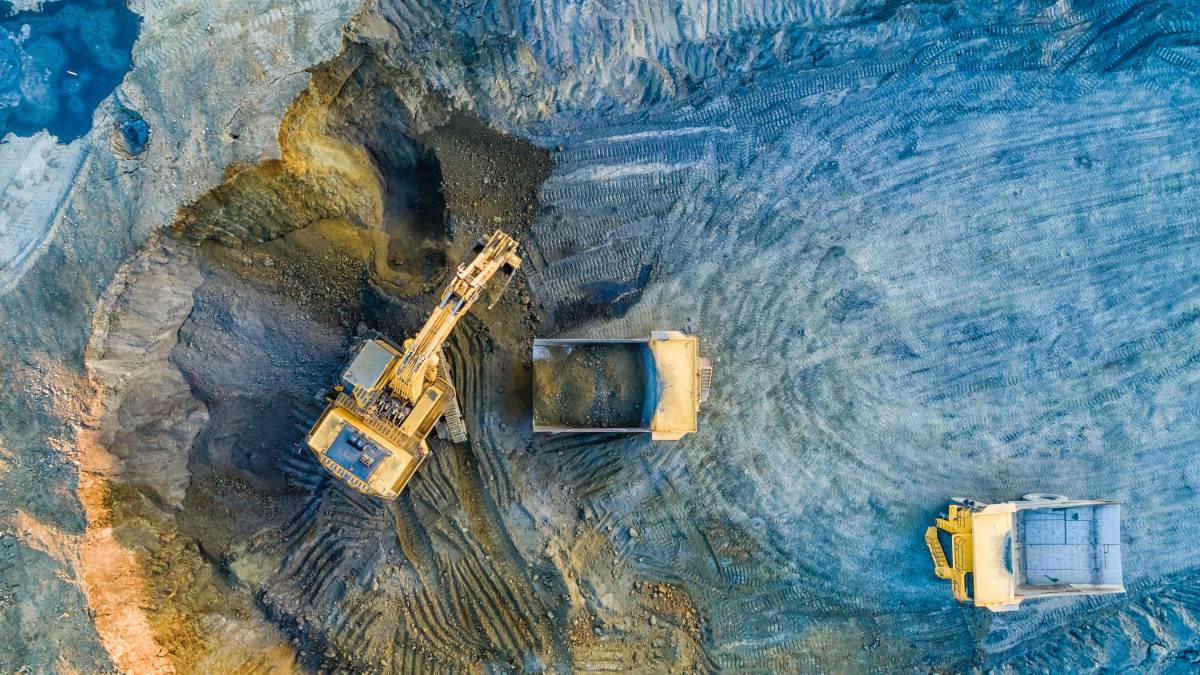
© Shutterstock/ Evgeny_V
UN Trade and Development (UNCTAD) Deputy Secretary-General Pedro Manuel Moreno called for a new generation of partnerships to ensure minerals critical for energy and digital transitions drive sustainable and inclusive growth across the global South.
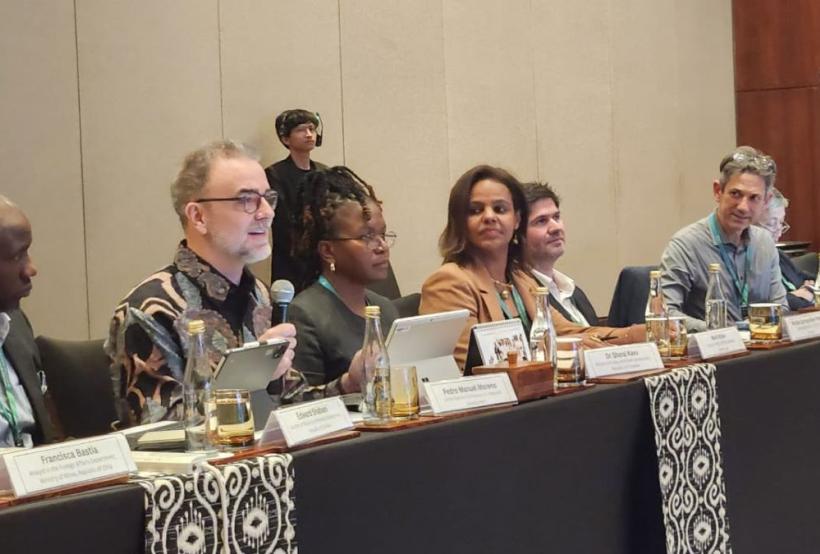
Speaking on 1 December at an event in Bali, Indonesia, Mr Moreno said that the rapid rise in demand for critical minerals like lithium, cobalt, nickel and copper presents a historic opportunity for developing countries.
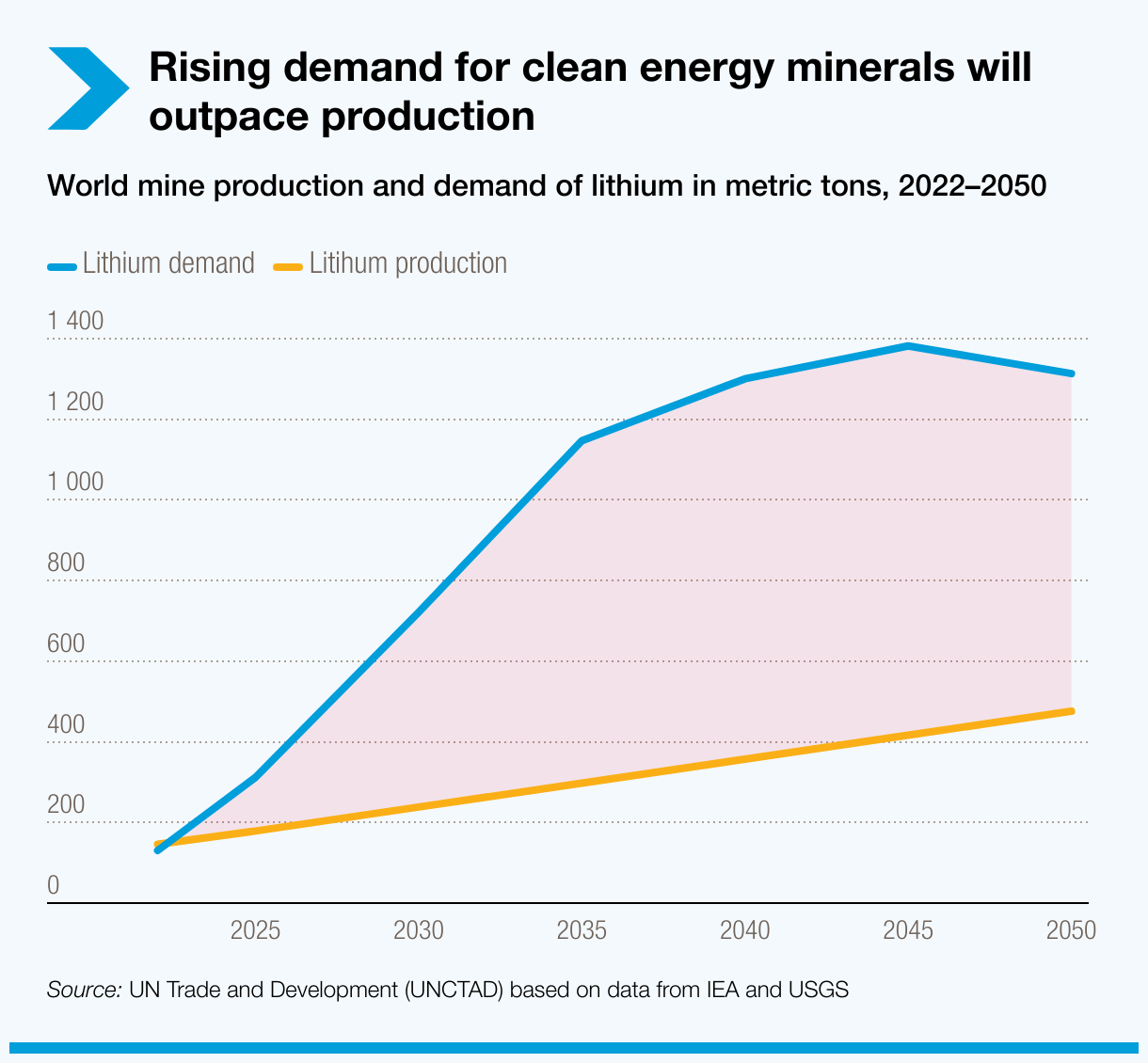
As the climate crisis deepens, demand for resources needed to manufacture clean energy technologies is surging. According to the International Energy Agency (IEA), global demand for minerals like lithium – vital for electric vehicles – is set to triple by 2030 and quadruple by 2040.
“The key question is not how much minerals countries extract, but how much they can extract from these minerals to transform their economies,” he said at the intergovernmental dialogue on unlocking equitable mineral value addition.
Turning raw materials into value
Mr. Moreno emphasized that adding value to critical minerals goes beyond refining and processing, calling for broader strategies that link mining to other economic sectors.
“Real value comes from creating strong connections – forward, backward and lateral linkages – that expand the productive base of the economy.”
He cited UNCTAD’s research in Namibia, which identified over 350 products across 23 sectors with strong diversification potential – from machine parts to food processing – showing that many opportunities lie in the industries connected to mining, not in mining itself.
Four pillars for new partnerships
UNCTAD’s work on critical minerals helps countries strengthen industrial capacity, boost processing before export and better integrate global value chains. The organization provides research and evidence-based policy guidance and helps build partnerships that support responsible and transparent investment.
Mr. Moreno outlined four pillars for new partnerships:
- Technical: Developing applied research centres, laboratories and engineering hubs.
- Financial: Using public finance strategically to attract responsible private capital.
- Commercial: Building local supplier networks through partnerships with global firms.
- Institutional: Improving governance, standards and environmental regulation.
A new UN Task Force on Critical Energy Transition Minerals, co-chaired by UNCTAD, will help implement the UN Secretary-General’s panel recommendations to make mineral supply chains more equitable and sustainable.
Regional cooperation key for adding value
Regional cooperation is also crucial, and organizations such as ASEAN in Asia and AfCFTA and SADC in Africa are examples of platforms that can expand market access and attract investment.
“Together, we can build economies that are stronger and more diverse,” Mr Moreno said. “We can ensure that the global energy transition lifts societies up instead of leaving them behind.”