

For Qatari capital and the wider Gulf region, their role in linking markets, investment and sustainable development across continents is once again in the spotlight.
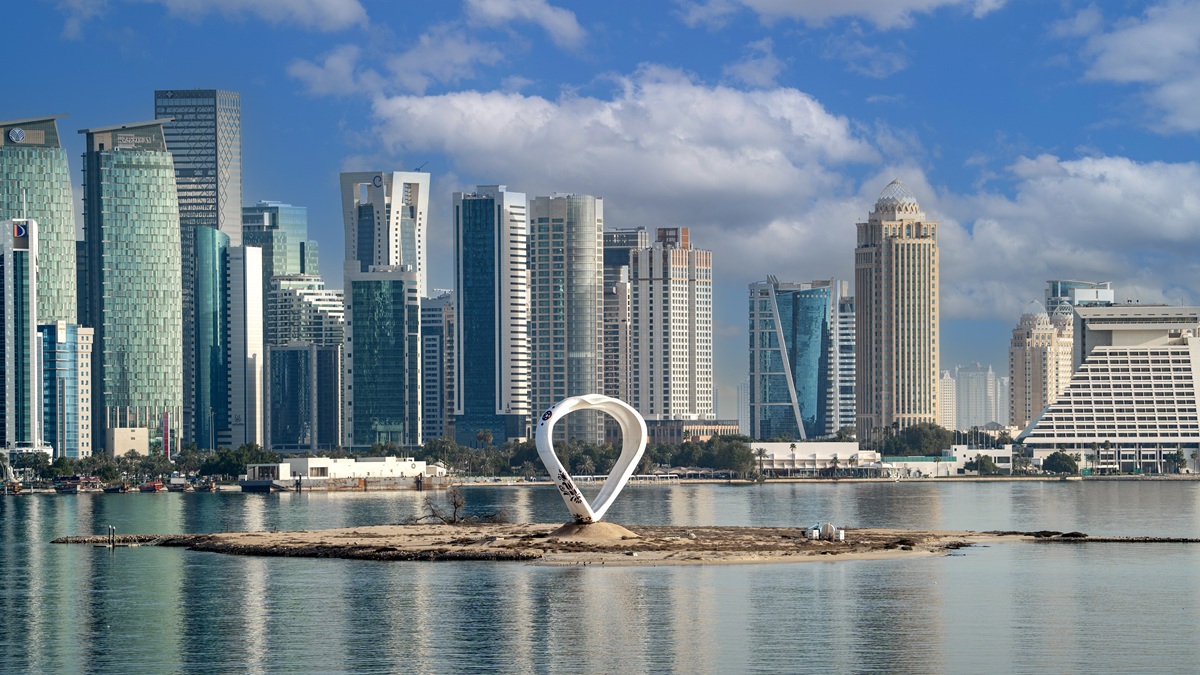
© Shutterstock/SNX Visuals | Doha, Qatar.
From 25 to 27 October, the World Investment Forum 2026 will take place in Doha, Qatar, bringing together policymakers, investors and development partners under the theme “Investing in the future”.
The Gulf region is emerging as an investment bridge, linking Asian capital and production networks with markets in Africa, Europe and North America, according to the latest Gulf Cooperation Council (GCC) Investment Report.
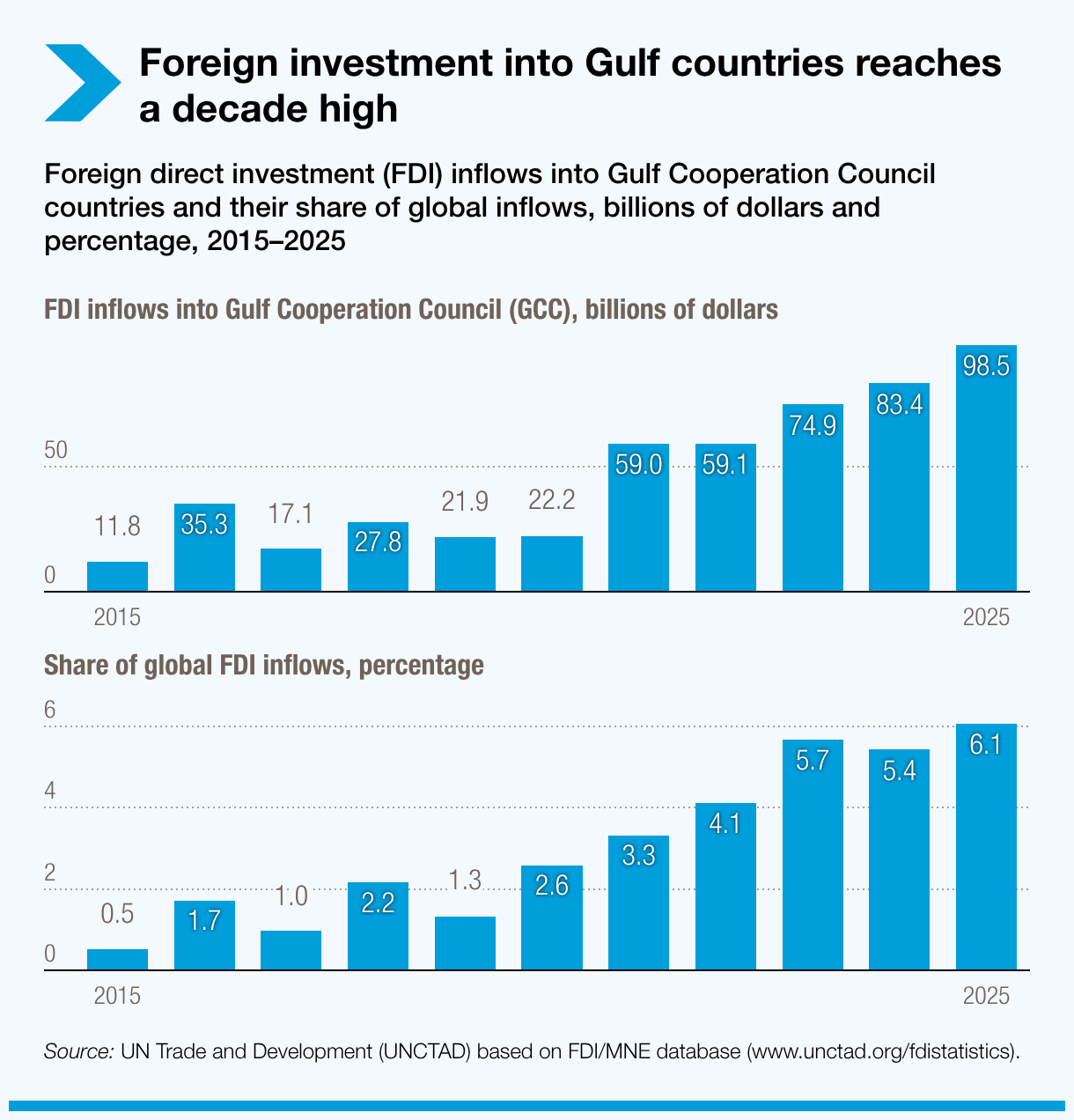
In 2025, foreign direct investment (FDI) inflows into the six GCC member countries - Bahrain, Kuwait, Oman, Qatar, Saudi Arabia and the United Arab Emirates - reached a record of about $99 billion.
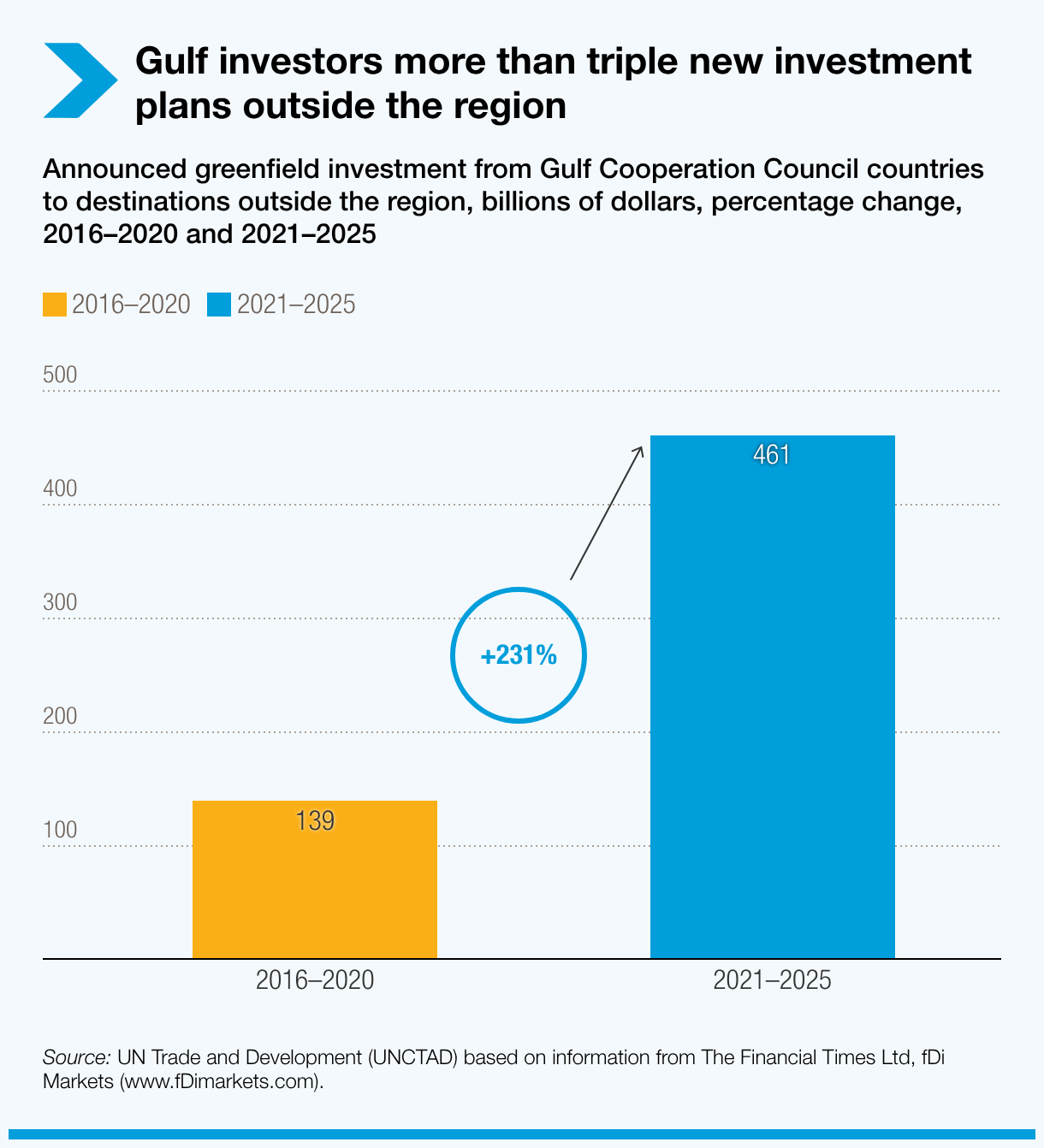
Gulf investors are also expanding their international reach, with outward FDI rising by 11% to $130 billion. Announced greenfield investment by GCC countries outside the region more than tripled between the 2016–2020 and 2021–2025 periods, reaching $461 billion in the latter period.
Digital infrastructure, particularly telecommunications, has emerged as a major investment driver, reflecting Gulf ambitions to become regional and global hubs for technology and innovation.
Gulf investors are also providing significant capital to developing economies, particularly in Africa and parts of Asia. Their role is especially important in infrastructure and the energy transition, where financing gaps remain substantial.
Connecting markets, expanding development opportunities
Across the Gulf, efforts to deepen economic cooperation and diversify economies beyond fossil fuels are creating opportunities in sectors such as renewable energy, logistics, advanced manufacturing, digital infrastructure, tourism and financial services.
Meanwhile, disruptions around the Strait of Hormuz and signs of weaker international investment activity in early 2026 underscore the need to strengthen economic resilience.
Stronger infrastructure links, alongside investment in skills, technology and domestic suppliers, will be key to sustaining diversification.
The World Investment Forum 2026 offers a timely platform to address these challenges and steer capital to the economies and sectors that need it most.
The forum will examine, among other topics, investment opportunities across the Gulf region, policies to attract investment and ways to deepen economic integration.
It will also explore how the Gulf can strengthen its position as a global investment hub and contribute to sustainable economic growth.
At a time of growing global uncertainty and widening development financing needs, such discussions will be essential to building a more diversified, resilient and inclusive investment landscape.