

Turning climate commitments into action will be at the heart of UNCTAD’s engagement at this year’s UN climate summit, COP31.
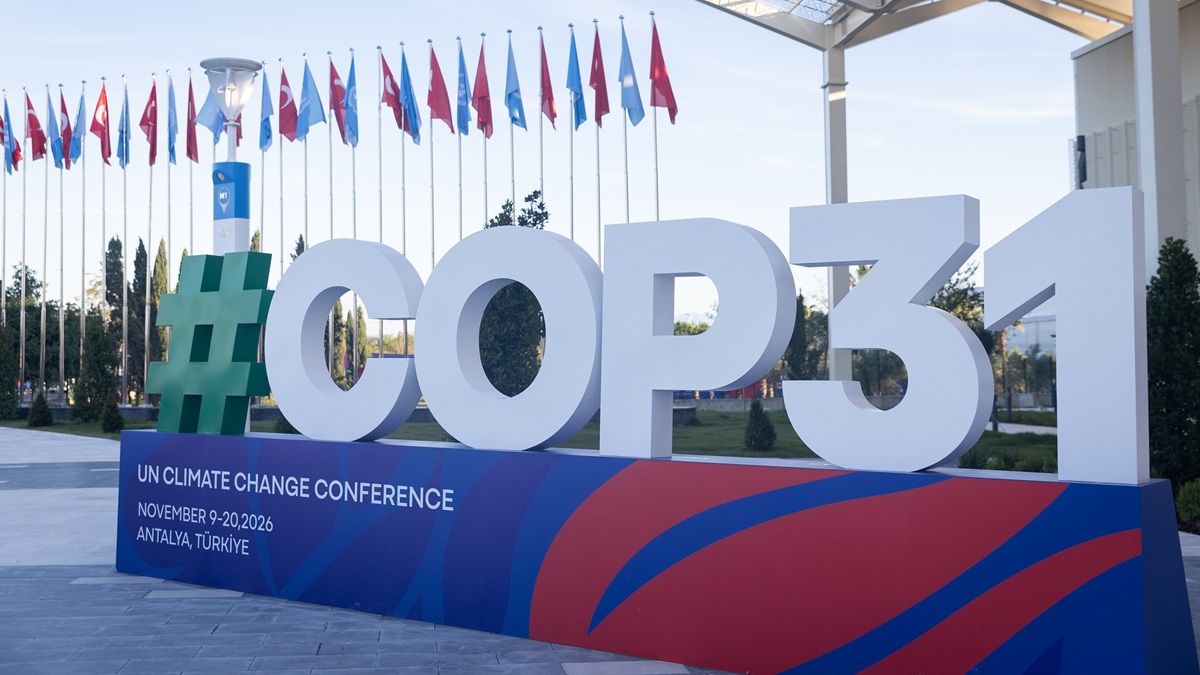
© UN Climate Change/Kiara Worth
At the 31st UN Climate Change Conference (COP31), UN Trade and Development (UNCTAD) will highlight how trade, investment and finance can help developing countries build greener industries, improve livelihoods, move up value chains and compete in emerging low-carbon markets.
“COP31 in Antalya offers a real opportunity – to match climate commitments with industrial strategy for those who need it most,” said UNCTAD Acting Secretary-General Pedro Manuel Moreno ahead of the summit, which takes place from 9 to 20 November in Antalya, Türkiye.
For many developing economies, the transition to sustainable, low-carbon growth brings both opportunities and challenges.
Access to affordable finance, technology and international markets remains uneven, while new climate-related trade measures and sustainability requirements can add costs and create barriers for smaller businesses and producers.
UNCTAD will therefore champion international cooperation and practical policies to help countries turn climate plans into productive investment, stronger industries and greater economic resilience.
A new Global Carbon Market Network will be launched on 12 November.
Convened and supported by UNCTAD, which will serve as its secretariat, the initiative aims to strengthen connections between carbon markets and mobilize capital for climate action, particularly in developing countries.
Trade cooperation for green industrialization
A central focus will be how trade cooperation can accelerate the shift towards sustainable production and help countries participate in emerging green, blue and circular value chains.
As part of the COP31 Climate Action Agenda, UNCTAD will bring together diplomats, small-business representatives and international organizations to examine progress and challenges in using trade policies to support national climate plans.
Discussions will focus on helping small businesses access technology, skills, finance and markets, while strengthening cooperation among trade and environment policymakers, financial institutions and the private sector.
Other discussions will explore ways to reduce investment risks and mobilize financing for green industrialization and climate adaptation, with particular attention to resilient infrastructure and sectors where investment in cleaner production remains limited.
Building sustainable and resilient supply chains
Sustainable supply chains will also feature prominently. Discussions will examine how sustainability standards can make supply chains more transparent and resilient while avoiding unnecessary costs for small producers and businesses.
Greater alignment between standards, certification systems and verification processes could reduce duplication and help small- and medium-sized enterprises in developing countries access sustainable markets.
Putting oceans and people at the centre of climate action
UNCTAD will also contribute to a UN Oceans event on strengthening cooperation to accelerate ocean and climate action.
The discussion will highlight the importance of finance, technical assistance and capacity-building, particularly for small island developing states and communities whose livelihoods depend on healthy marine ecosystems.
More broadly, UNCTAD will advocate measuring progress towards climate goals by going beyond GDP to assess whether policies deliver resilience and well-being, while ensuring a just and equitable transition for all.