



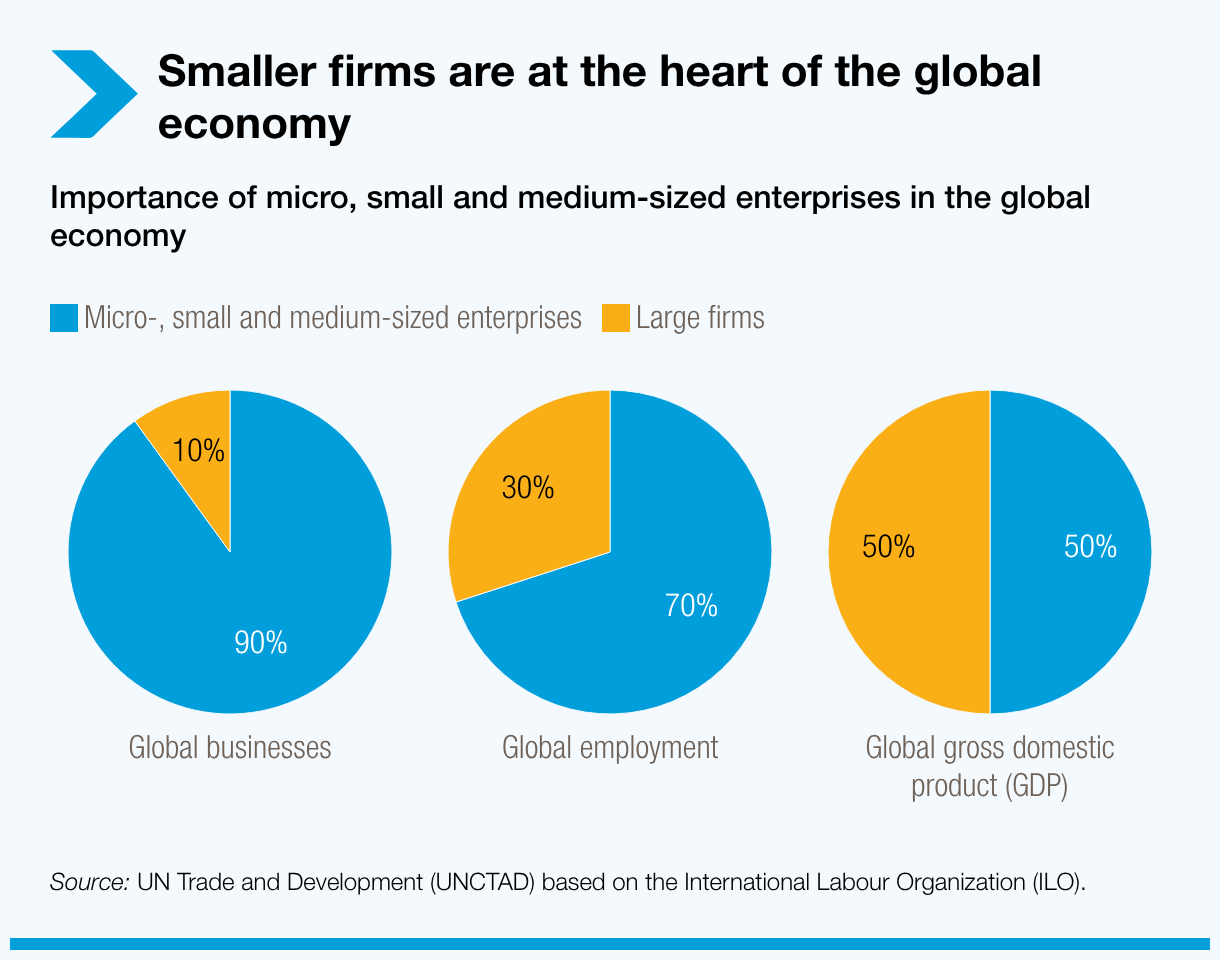
- Smaller firms account for 70% of the world’s employment, 90% of businesses and 50% of global GDP.
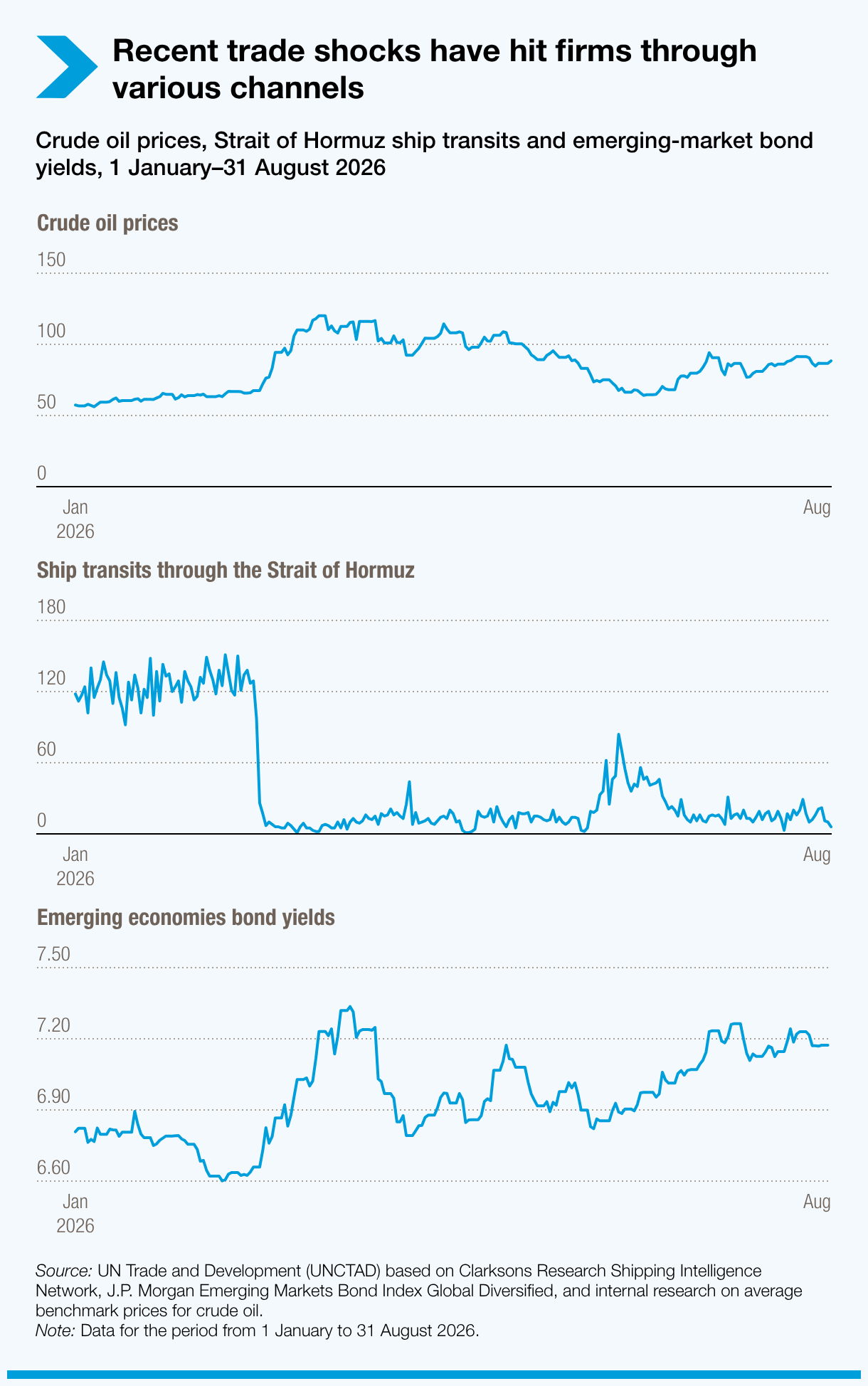
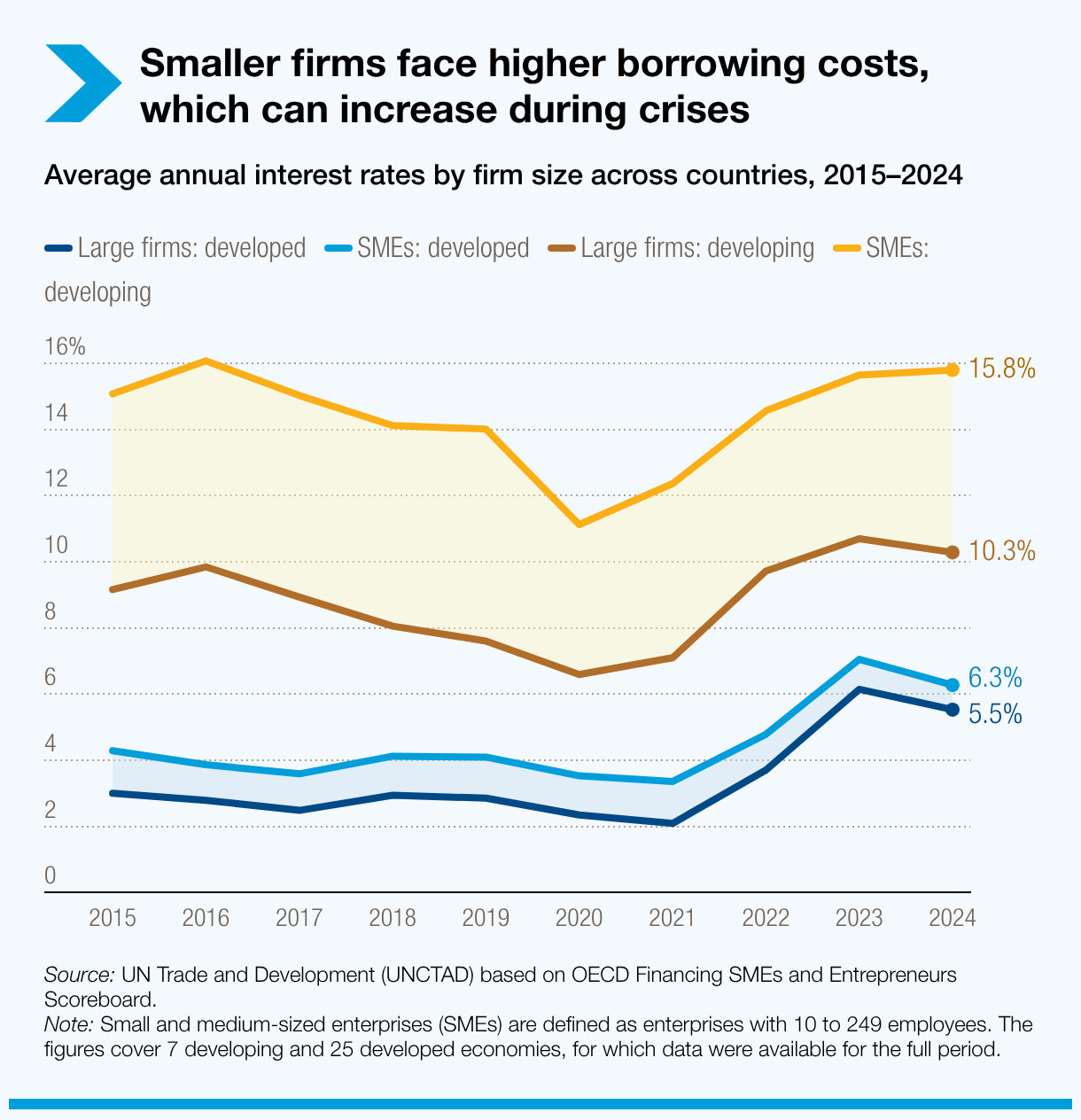
- Rising energy, transport, insurance and financing costs can put disproportionate pressure on these firms.
- Vulnerabilities are particularly acute in developing economies and exclusion from value chains can persist even as overall trade recovers.
© Shutterstock/BearFotos
Disruptions in the Strait of Hormuz could put disproportionate pressure on the smaller firms that account for 70% of global employment, according to new analysis by UN Trade and Development (UNCTAD).
Small and medium-sized enterprises (SMEs) account for around 90% of businesses globally, 70% of employment and 50% of GDP.
They are also crucial suppliers of goods and services across value chains, supporting entrepreneurship, innovation and economic diversification.
“When SMEs falter, growth becomes less inclusive and less resilient,” says the analysis released on 8 September.
Why smaller firms face greater pressure
Trade disruptions affect businesses of all sizes, but their capacity to absorb shocks varies.
Larger companies can often spread risks across suppliers, markets and sources of finance. Smaller firms, by contrast, typically have fewer alternatives when energy, transport and financing costs rise.
The consequences can extend beyond the immediate shock. Smaller firms can remain at risk of exclusion from value chains even when overall trade volumes recover.
This creates a risk of an “exclusion effect”, in which recovery in headline trade figures can mask a more concentrated economy, with fewer smaller firms participating in international markets.
Lessons from past crises
The COVID-19 crisis showed that smaller firms are more vulnerable to major shocks, with sales declines generally larger among firms in developing countries.
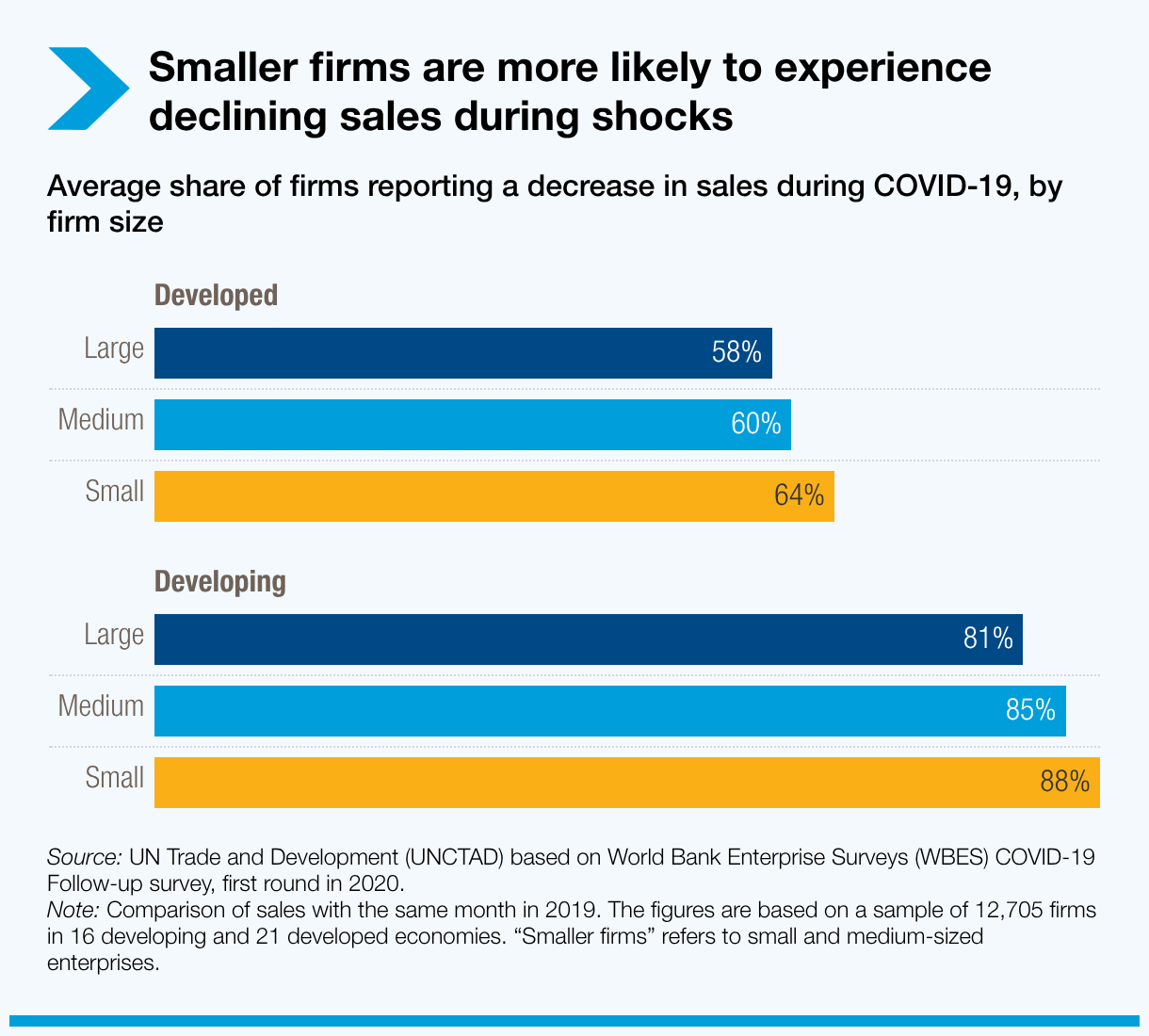
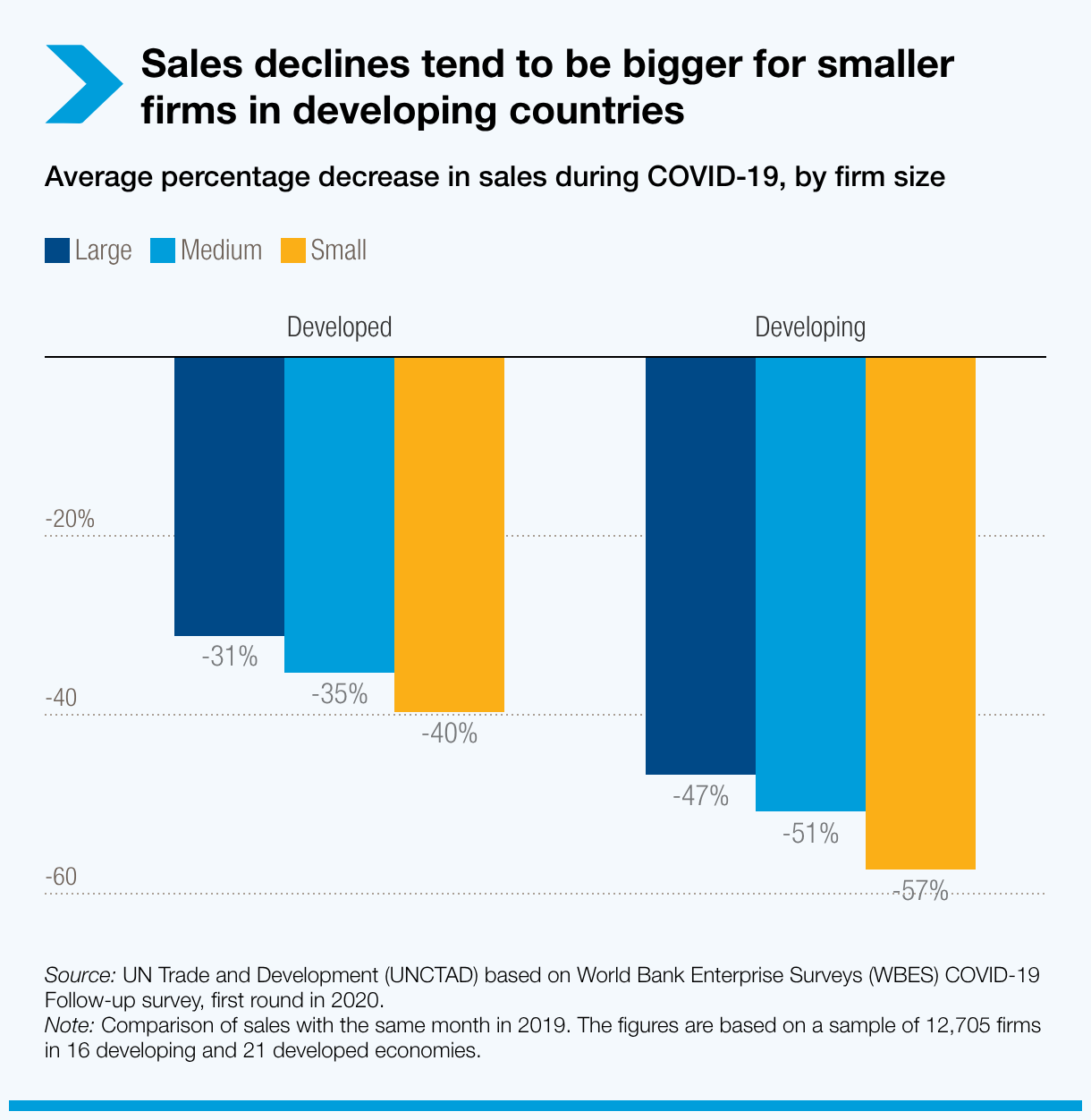
The experience illustrates how a prolonged trade disruption could amplify existing vulnerabilities, particularly in developing economies where businesses may have fewer options for financing, sourcing inputs or reaching alternative customers.
Fostering resilience and inclusion
The analysis highlights the need to keep not only trade moving, but also smaller firms connected to markets.
This includes closer monitoring of firms’ participation in trade, including whether they can maintain operations and commercial relationships as conditions change.
Stronger access to trade finance, liquidity and working capital is also critical, particularly when production costs rise and delivery times and payment cycles lengthen.
Public support can further help improve access to reliable and affordable logistics, facilitate trade and expand access to market information and other business services, particularly in developing economies.
Strengthening smaller firms’ productivity and competitiveness can help them maintain and diversify supplier and customer relationships.
Together, these measures can help protect jobs and strengthen resilience to future shocks.