



Investment in the wider ecosystem, including affordable connectivity, research and skills, will be crucial to making the benefits of AI more inclusive.
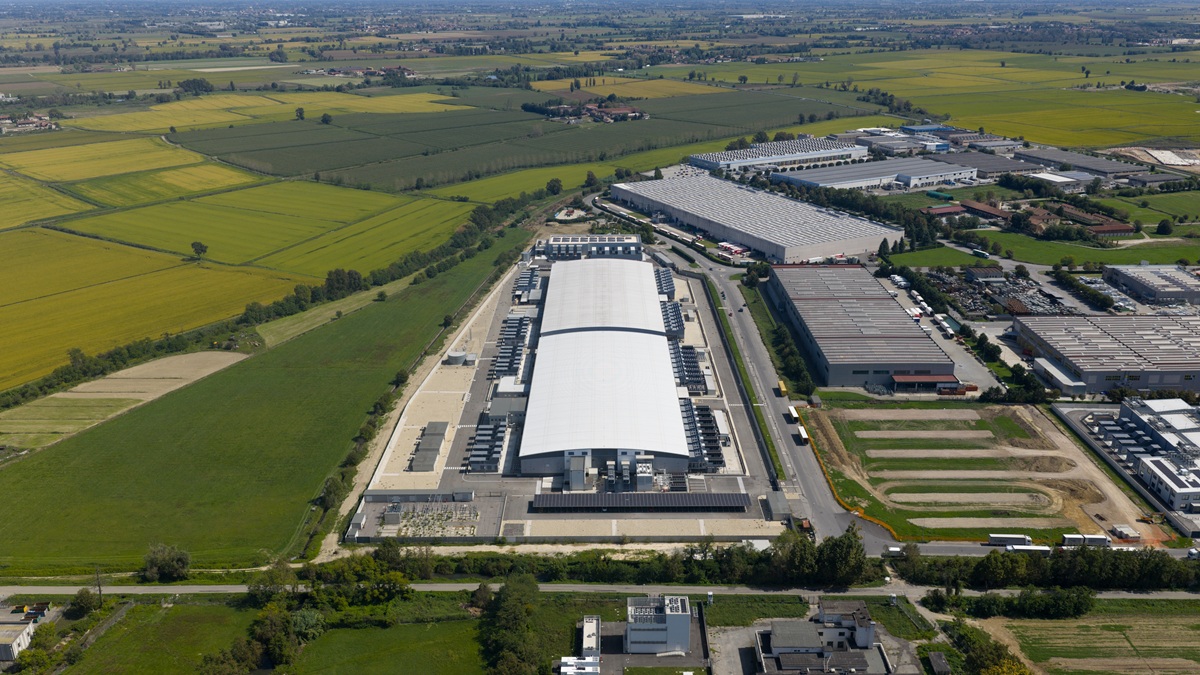
© Shutterstock/Make more Aerials | A data centre in Milan, Italy.
As investment in artificial intelligence (AI) infrastructure surges, countries need to look beyond data centres and invest in the skills, systems and wider infrastructure needed to turn the technology into economic value.
The World Investment Forum 2026 in Doha, Qatar, is exploring how financing, skills, governance and innovation can help spread AI’s benefits.
For the first time, the Forum features a dedicated thematic track on AI, bringing together investors, policymakers and technology leaders.
Discussions highlight the need to ensure the investment boom does more than expand AI production. It should also build local capabilities across more economies to support inclusive development.
AI investment is booming, but remains concentrated
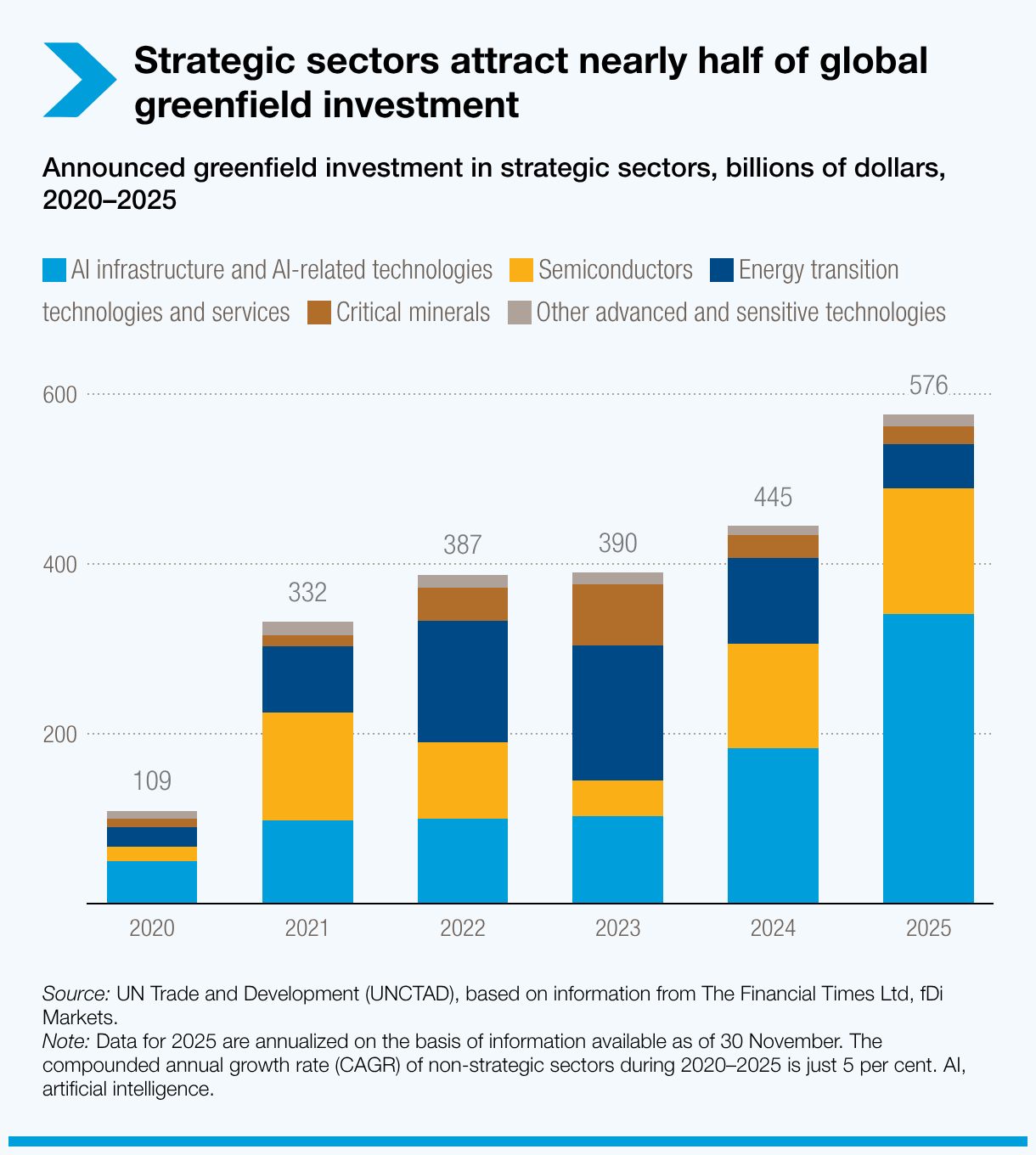
Announced greenfield investment in AI infrastructure grew by an average of 47% a year between 2020 and 2025, according to the World Investment Report 2026.
AI infrastructure now accounts for three fifths of all greenfield investment in strategic sectors worldwide.
Yet the benefits of this boom remain unevenly distributed.
A handful of economies host the vast majority of AI infrastructure investment, while 100 companies account for 40% of global research and development.
Turning AI investment into development gains
Building computing infrastructure alone does not guarantee that developing economies will capture the benefits of AI.
Equally important is enabling local businesses and public services to use the technology effectively.
This requires investment beyond computing power, including reliable electricity, affordable connectivity, research and skills, as well as access to finance and data.
The experience of the digital economy offers a lesson: Much of the wealth created by the internet came from how it was used, rather than from who built the cables or hosted the servers. AI could follow a similar pattern.
“Most economic value will come from use - in agriculture, in health systems, in logistics, in public services,” Acting Secretary-General Pedro Manuel Moreno of UN Trade and Development (UNCTAD) said in his remarks to the Forum.
“Getting AI use right requires its own investments - in skills, connectivity and the capacity to adopt.”
Priorities for action
The World Investment Forum highlights three priorities:
- Invest across the ecosystem: Link computing infrastructure with reliable electricity, connectivity, education, research, local-language applications and enterprise development.
- Broaden access and value creation: Help smaller firms and innovators in developing economies access finance, tools and markets so they can adapt AI to local needs and grow their businesses.
- Build trust and cooperation: Transparent governance, data protection, cybersecurity, interoperable standards and resource-efficient infrastructure can help sustain investment and support wider AI adoption.
As part of wider efforts to promote more inclusive AI investment, UNCTAD is working with the International Telecommunication Union to connect public and private partners with investment solutions, including through the Digital Infrastructure Investment Catalyser.