Search for a publication
Calendar
Search for a meeting
Search for a project
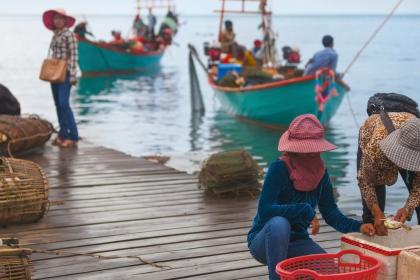
With a sustainability focus, the groundbreaking World Trade Organization agreement aims to curb illegal fishing, overfishing and secure livelihoods.
Efforts are ramping up to close persistent data gaps in services trade data – a key step to unleashing the sector’s full potential for shared prosperity.
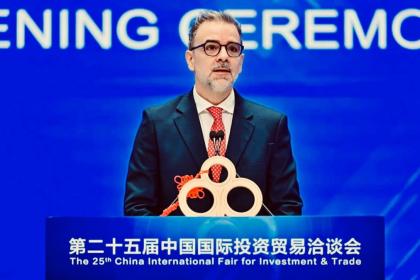
The conference concludes with a call to meet the rising demand for sustainable and responsible investment amid technological advances and evolving geopolitical dynamics.
A new study examines the systemic barriers holding women’s businesses back in the digital economy, calling for targeted measures to change course.
Global trade is being reshaped not just by tariffs or geopolitical tensions but also by policy unpredictability. The uncertainty is driving up costs, rattling markets and hitting developing economies hardest.
The report is subtitled “Forward together”.
Algeria launches UNCTAD’s eTrade Readiness Assessment to empower small businesses and deepen continental integration.
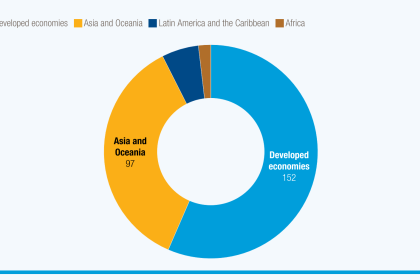
The digital economy is the fastest-growing sector of the global economy, but foreign investment remains highly concentrated.
UN Trade and Development convenes world leaders, ministers and experts to tackle today’s pressing issues, strengthen cooperation and build a brighter future.
Supported by UN Trade and Development (UNCTAD) and the European Union, the platform will help streamline border crossings, lower costs and drive inclusive regional growth.