Search for a publication
Calendar
Search for a meeting
Search for a project
By integrating the circular economy and the bioeconomy, countries can power development, curb waste and use natural resources more sustainably. But how?
The world’s top forum on competition and consumer protection will reconvene in July, advancing fair markets and safeguarding consumer rights for the benefit of people, businesses and the planet.
The United States is departing from nearly a century of declining tariffs that once made its rates among the world’s lowest. Amid exemptions, pauses, and country-specific rules, how high are the new tariffs facing developing countries?
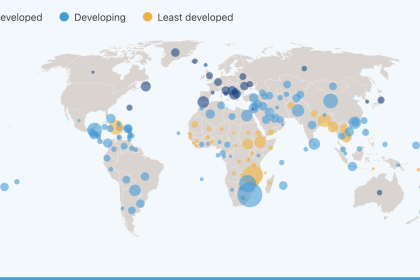
A new UNCTAD report analyses the possible impact of new tariffs on least developed countries, landlocked developing countries and small island developing States.
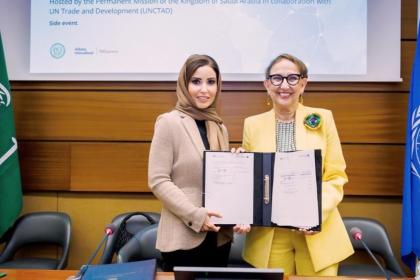
The new partnership will help countries harness the rising global demand for critical energy transition minerals for value addition and economic diversification.
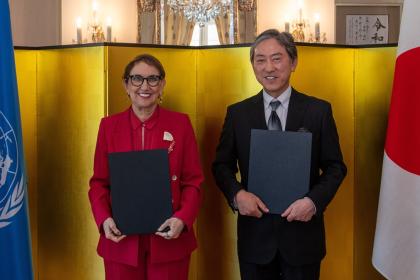
The $1.4 million contribution will help countries bolster official e-commerce statistics and digital economy policymaking over the next three years.
The group includes critical minerals needed for electric vehicles, solar panels, AI infrastructure and other technologies powering the energy and digital transitions.
Global demand set to rise 40% by 2040, but supply remains under strain. Smarter trade policies, investment and recycling are needed to close the gap.
UN Trade and Development (UNCTAD) warns a looming copper shortfall could stall the world’s shift to clean energy and digital technologies.
The global copper industry is entering a pivotal phase – one not only requiring more production, but also smarter, more inclusive and technologically driven growth strategies.