Search for a publication
Calendar
Search for a meeting
Search for a project
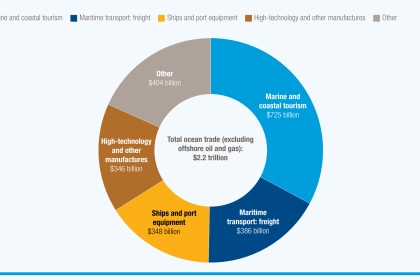
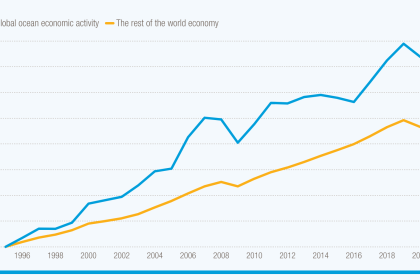
The ocean drives industries from tourism and biotech to clean energy and pharmaceuticals. But climate change, pollution and underfunding put its future at risk.
The UN Trade and Development chief calls for collaborative action from the Group of 20 to safeguard global growth and shared prosperity.
A multipolar world needs to foster resilience and address the significant shortfall in funding for the Sustainable Development Goals. The time for action is now.
Trade and innovation have driven growth, but mounting climate risks, weak governance and underinvestment threaten the sector’s future and the lives of 600 million people worldwide.
As the G20 presidency moves from Indonesia to India, Brazil, and now South Africa, the Global South has been at the forefront of shaping international trade and economic cooperation.
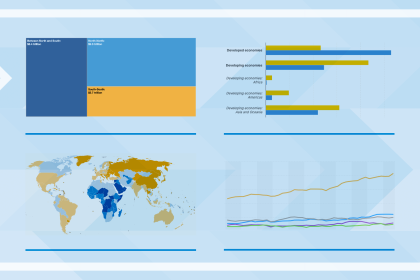
The new live version of the Handbook of Statistics provides timely, reliable data on global trade and development trends to help policymakers navigate an uncertain economic landscape.
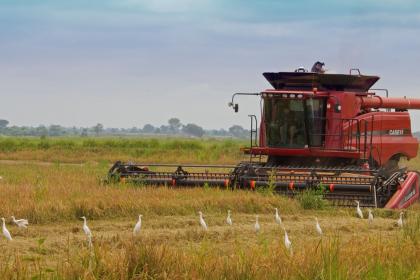
Africa’s most populous nation is making strides in agricultural innovation by leveraging satellite imagery, earth observation systems and remote sensing tools.
Dependence on commodities, high debt, and weak infrastructure make African economies more vulnerable. Stronger and more diversified trade networks can enhance their resilience and drive growth.
Stronger intra-regional trade, strategic investments and bolder economic reforms are crucial to unlocking the vast potential of the African Continental Free Trade Area.
A sharp drop in international project finance raises concerns about sustainable development funding and highlights the need for countries to diversify strategies to attract and sustain investment.