

Pedro Manuel Moreno warned geopolitical tensions, rising debt burdens and economic fragmentation are straining development cooperation and called for urgent reforms to the international financial architecture.
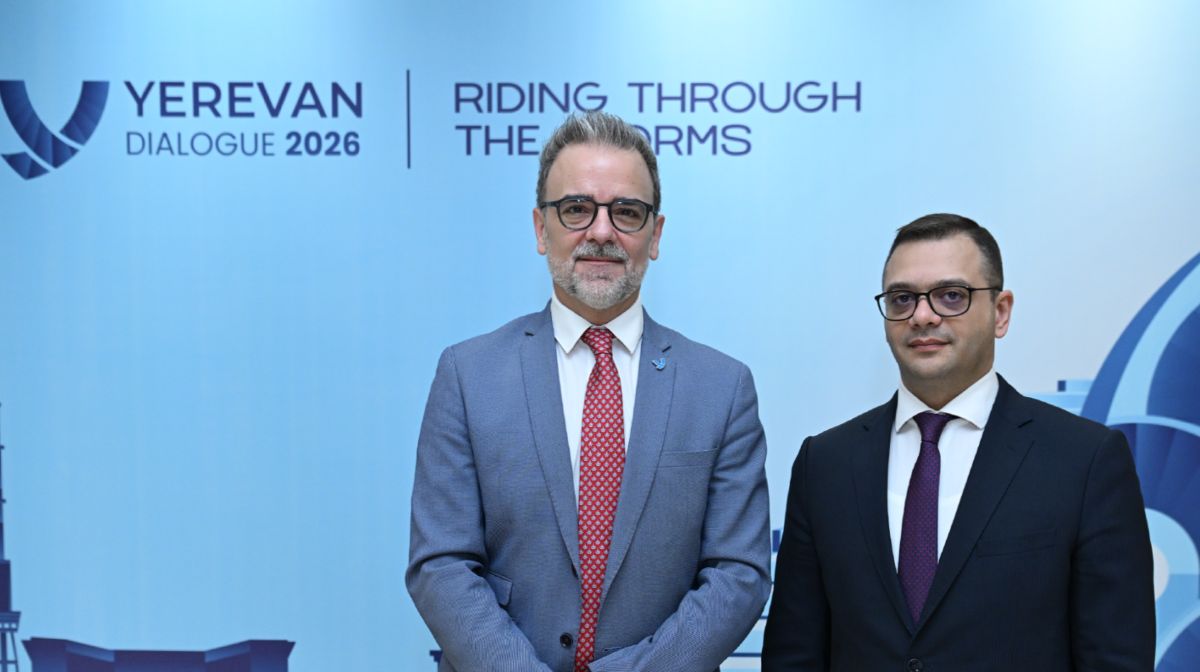
© Ministry of Foreign Affairs of Armenia | UNCTAD Acting Secretary-General Pedro Manuel Moreno meets with Armenia’s Deputy Foreign Minister Robert Abisoghomonyan on 6 May in Yerevan.
Attending the Yerevan Dialogue 2026, UNCTAD Acting Secretary-General Pedro Manuel Moreno spoke at a session on development cooperation challenges. He warned that development cooperation is under growing strain as geopolitical tensions, economic fragmentation and rising protectionism deepen global vulnerabilities.
A cascade of global shocks drive up cost and debt
Mr. Moreno said the world is facing not a single crisis but a "cascade" of interconnected shocks. Conflict-related disruptions to energy markets, including the tension in the Strait of Hormuz, are driving up energy and fertilizer prices, which in turn impact food costs and debt burdens for developing countries.
He noted that 3.4 billion people now live in countries spending more on debt service than on health or education, while 42 countries devote over 20% of their export earnings to servicing debt.
A call to complete international finance reforms
Against this backdrop, he stressed the need to complete reforms to the international financial architecture, including faster crisis liquidity, more counter-cyclical financing and stronger multilateral development banks to mobilize private investment. He highlighted the Sevilla Commitment as a key roadmap for action.
The Acting Secretary-General also emphasized that official development assistance remains indispensable for vulnerable countries and cannot be replaced by private capital alone. Trade, he added, remains a critical source of development finance for many economies.