

Ports are critical nodes in global supply chains, handling more than 80 per cent of world merchandise trade by volume. Yet they are operating in an increasingly complex environment shaped by geopolitical disruptions, changing trade patterns, climate pressures, and rapid technological change. The Review of Maritime Transport 2025 highlights this changing landscape and the need for ports to strengthen their resilience and adapt to an evolving maritime environment.
Against this backdrop, preparing ports for the future requires rethinking how they operate, use energy, and harness technology. The transition towards cleaner energy, alongside the growing use of digital technologies, automation, and artificial intelligence, offers opportunities to improve efficiency, reduce environmental impacts and enable faster, more informed decision-making.
These transformations, however, do not take place under the same conditions everywhere. Ports differ significantly in their infrastructure, resources, capacities, skills, and technological readiness. For ports in developing countries in particular, ensuring that these transitions are inclusive and adapted to local realities will be essential.
This session will explore practical approaches, emerging technologies, and enabling conditions that can support greener, smarter, and more resilient ports, while facilitating the exchange of experiences and good practices.
Questions for discussion
- What challenges do the energy and digital transitions create for ports?
- What should ports prioritise when short-term efficiency and long-term resilience compete?
- How can better data sharing and coordination across the port community improve efficiency and decision-making?
- What cybersecurity risks should ports consider as they accelerate digitalisation and the adoption of AI?
- What role can government policies and international frameworks play in supporting port modernization and decarbonization?
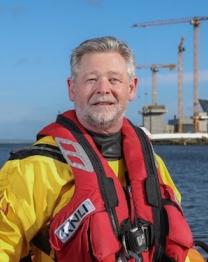
Captain Kevin G. Allen is the Principal Marine and Port Operations Advisor at Belfast Harbour, President of the International Harbour Master Association (IHMA), and a volunteer with the Royal National Lifeboat Institution (RNLI), where he currently serves as Lifeboat Operations Manager at Redbay.
Prior to his current roles, Captain Allen served for 20 years with Belfast Harbour, including 18 years as Harbour Master. Before moving ashore, he spent ten years as Senior Master on RoRo vessels operating across the Irish Sea and English Channel. He began his marine career at the age of sixteen and has accumulated almost 45 years of experience in the maritime industry.
Captain Allen’s professional experience spans marine operations, port management, harbour administration, and maritime safety.

He is the Chief of the Human Resources Development Section - TrainForTrade at the UN Trade and Development (UNCTAD).
With over 25 years of experience in international trade, he leads global programmes in port management, trade statistics, e-commerce and the digital economy. He is a strong advocate for digital innovation, capacity building, and SDG 17, and he champions sustainable, inclusive trade policies and international cooperation. He started his career in the United Nations as a Junior Professional Officer for Belgium in 1998 based in West Africa.
He holds a master’s in economics from the Free University of Brussels (Belgium).
