


In dozens of developing countries, digital innovation supported by UN Trade and Development is helping governments manage public debt more transparently, strengthening institutions and supporting long-term development planning.
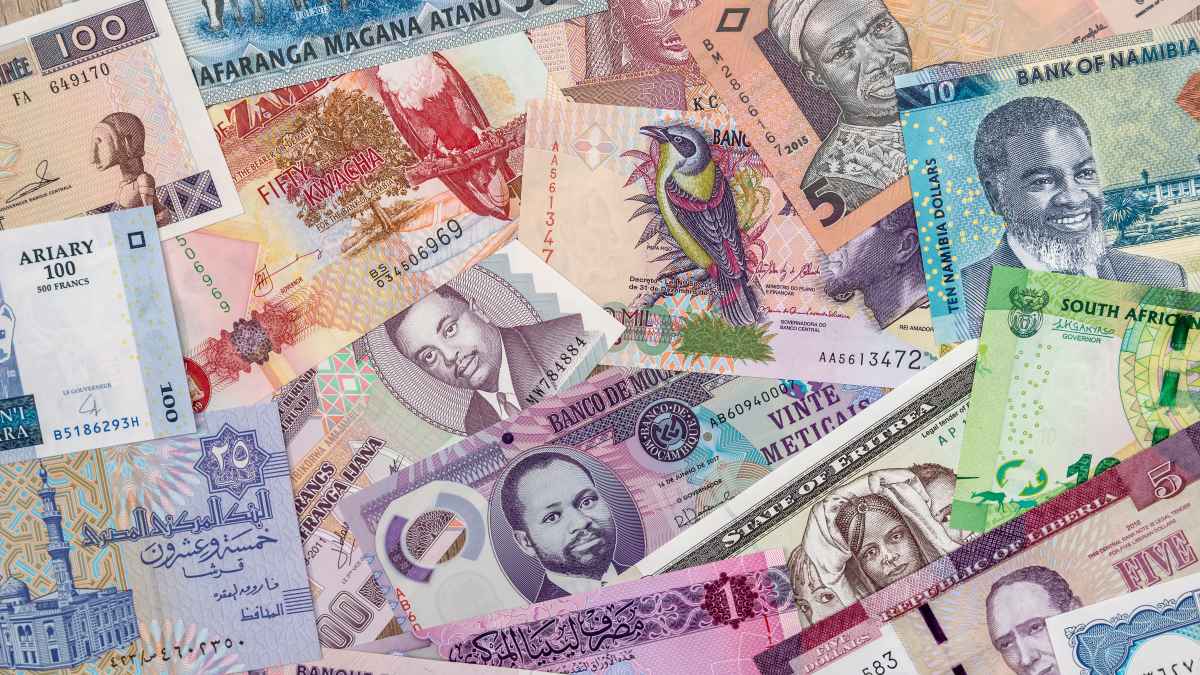
© Shutterstock/RomanR | Different currencies of African countries.
Transparent and reliable debt data is a cornerstone of sound economic policymaking. When governments can clearly see what they owe, assess risks and report accurately, they are better positioned to make informed financial decisions, build trust with investors and protect public resources.
For 45 years, UN Trade and Development (UNCTAD) has supported countries in strengthening how they manage public debt – a critical foundation for economic stability, investor confidence and sustainable development. Today, digital innovation is playing an increasingly important role in that effort.
Zambia offers a strong example of how this support translates into real impact.
As the country works to stabilize its economy following debt restructuring and broader reforms, improving the transparency and reliability of debt information has become a key priority.
Strengthening debt management is not only about managing numbers; it is about strengthening public institutions and enabling better planning for development.
Digital innovation driving smarter debt management
In March 2025, Zambia became the first country to install the latest version of UNCTAD’s digital debt management platform, DMFAS 7, with support from the European Union, Germany and the Good Financial Governance programme implemented by GIZ.
The introduction of the system is part of a broader shift toward more transparent and coordinated public finance management.
By replacing fragmented and manual processes with a centralized digital platform, authorities can record transactions more efficiently, access up-to-date information and produce more reliable reports.
The system is now used at both the Ministry of Finance and National Planning and the Bank of Zambia, strengthening coordination and improving how debt information is shared across institutions.
“As the person in charge of generating reports, I really appreciate that DMFAS 7 is very easy to use. It will allow me to save precious time,” said Patrick Makashini, a debt management officer at Zambia’s Ministry of Finance and National Planning.
Better data, greater transparency, stronger institutions
Beyond efficiency gains, the real value lies in transparency and accountability. Better access to accurate, timely data helps governments move from reactive to proactive decision-making.
It also supports clearer reporting to international partners and strengthens confidence in national financial systems.
This is where the broader impact of digital debt management becomes clear. These tools are not just technical upgrades – they help improve governance, support better risk management and create a stronger foundation for long-term development.
UNCTAD’s support goes beyond technology. Through training, technical assistance and a global community of practitioners, the programme helps countries build skills, share knowledge and learn from one another’s experiences.
Zambia is part of a wider global shift. Since 2025, new installations of DMFAS 7 have taken place in South Sudan and Rwanda, with Mauritania, Viet Nam and Côte d’Ivoire set to follow. More than 30 countries have expressed interest in upgrading their systems.
This growing demand reflects the increasing importance of transparency in a complex global financial environment.
Reliable debt data helps governments manage risks, engage with creditors more effectively and strengthen confidence among investors and development partners.
Building capacity through partnership
This year marks the 45th anniversary of the DMFAS Programme, which now supports more than 60 developing countries worldwide.
Over decades, UNCTAD has worked alongside governments to strengthen transparency, build institutional capacity and support sound public financial management.
The experience in many partner countries shows how digital innovation can support this process in practice.
But the broader story is global: by improving debt transparency and strengthening institutions, digital tools are helping countries make better decisions, manage risks more effectively and create the conditions for sustainable and inclusive development.