



Cleaner, smarter ports are within reach as UN-backed initiatives help countries modernize trade hubs for a low-carbon future.
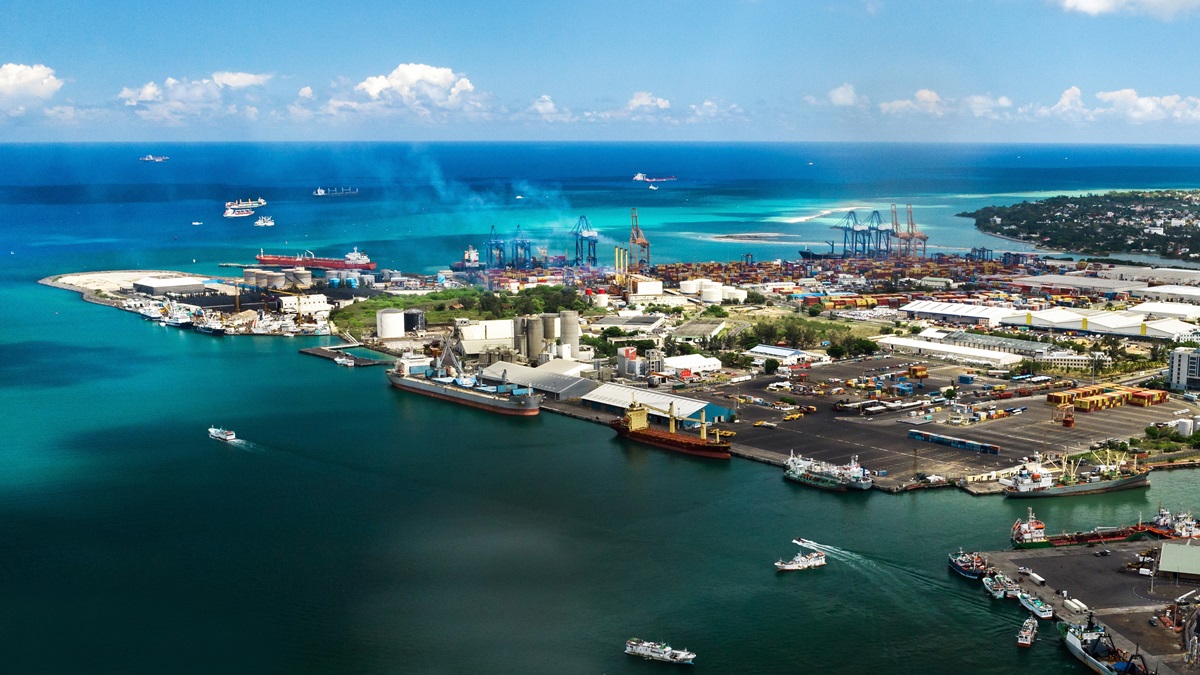
© Shutterstock/Lobachad | Port Louis, Mauritius.
Ports keep global trade moving and power the goods people rely on every day, from food and fuel to medicines and electronics.
But they are also among the most energy-intensive parts of the transport system, still heavily dependent on fossil fuels and electricity, despite the industry’s progressive shift towards low-carbon fuels, in line with evolving international regulatory frameworks.
At the same time, ports are uniquely positioned to harness opportunities arising from the energy transition.
By integrating renewable energy, electrifying operations among other actions, ports can position themselves as strategic platforms in emerging energy supply chains, including the production, storage and bunkering of alternative marine fuels.
This transformation requires significant investments in dedicated infrastructure, safety systems, regulatory alignment, multistakeholder collaboration and workforce upskilling.
For many developing nations, the shift to low-carbon ports is slowed by the absence of integrated strategic frameworks, fragmented institutional mandates and weak coordination among port authorities, energy providers and regulators.
These are the challenges that the Sustainable Smart Ports (SSP) project set out to tackle. The four-year project, run by UN Trade and Development (UNCTAD) and partners, recently concluded in Ghana, Mauritius and Morocco.
First, what makes a port sustainable and smart?
UNCTAD defines sustainable smart ports as those that use the energy transition and modern technologies to enhance energy efficiency, while facilitating the production and distribution of renewable energy in support of sustainable development.
Funded by the UN Development Account, the SSP project helped three African nations better plan and implement port reforms that improve energy efficiency, expand renewable energy use and support long-term resilience, in line with national development goals.
From assessment to action
At the heart of the project was a Sustainable Smart Port assessment methodology, combining quantitative and qualitative evidence-based analysis, which was applied in three pilot ports:
- Port Louis, Mauritius
- Tanger Med, Morocco
- Port of Tema, Ghana
The assessments examined how ports use energy, whether national grids are ready for electrification, the potential for integrating renewable energy, and the strength of regulatory and institutional frameworks. They identified both bottlenecks and practical opportunities for progress.
Results were discussed in stakeholder consultations and validation meetings, followed by capacity-building work that brought together port authorities, ministries of energy and transport, regulators, utilities, terminal operators and technical experts.
Working from a shared evidence base, key actors agreed on priority actions, which were outlined in country-specific SSP matrices of recommendations and action plans.
Early results on the ground
The SSP project focused not only on infrastructure, but also on strengthening cross-sectoral cooperation and coordination and building capacity—key foundations for sustained, long-term change.
Across the three pilot countries, the project improved coordination between port and energy stakeholders and promoted the use of data, performance indicators and analytical tools to guide investment and planning.
In Mauritius, follow-up discussions supported concrete next steps by the Mauritius Ports Authority, including scaling up solar photovoltaic installations, electrifying port equipment, exploring shore-power options for vessels at berth, and preparing technical cooperation proposals for a green port strategy.
In Ghana, the assessment process clarified regulatory and technical constraints, helping authorities better define implementation pathways.
In Morocco, the assessment and capacity-building of Tanger Med identified opportunities to strengthen the use of energy-related performance indicators and to enhance multistakeholder cooperation.
Capacity building for the long term
Capacity-building activities were closely linked to the priorities identified in each country.
These included renewable energy integration, electrification of port equipment, onshore power supply readiness, alternative fuels, energy management systems (ISO 50001) and institutional coordination.
The SSP project also produced practical tools and training materials to support ongoing dialogue and technical assistance.
Building on this experience, UNCTAD is preparing a dedicated online training course on sustainable and smart ports, drawing on SSP materials produced under this project and country lessons. The course is scheduled for launch in the third quarter of 2026.
UNCTAD will also be holding a webinar on 31 March to present project findings and key lessons learned from the assessment.
Through evidence-based assessments, inclusive policy dialogue and targeted capacity-building, the SSP project has helped participating countries advance practical reforms to modernize port energy systems.
As the maritime sector evolves toward cleaner fuels and technologies, these efforts position ports to play a growing role in emerging low-carbon energy and trade networks.