


UNCTAD advocates for stronger trade transparency, highlighting that when information is not easily accessible, smaller traders and firms pay the price.
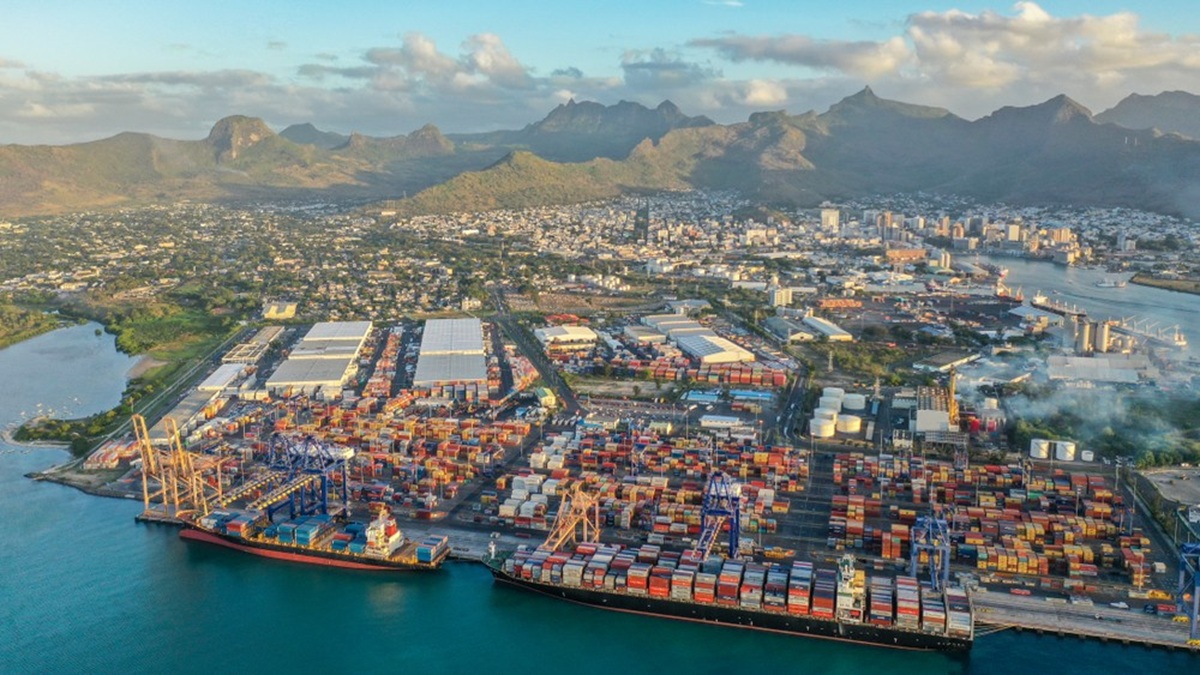
© Shutterstock/Lostsurf | Port Louis, Mauritius.
In a new study, UN Trade and Development (UNCTAD) explores how to transform trade transparency from a regulatory requirement to a practical reality.
When traders cannot get clear answers about import, export and transit procedures, uncertainty quickly leads to higher costs and delays.
This makes it more difficult for smaller traders and micro, small, and medium-sized enterprises (MSMEs) to participate in global trade.
Trade facilitation enquiry points: What they do and how they perform
Access to reliable information is essential for traders seeking to comply with rules and procedures. Under Article 1 of the World Trade Organization (WTO) Trade Facilitation Agreement (TFA), members are required to publish and make information on import, export and transit procedures easily accessible.
Article 1.3 builds on this requirement by calling for the establishment of enquiry points to provide clear guidance. These mechanisms seek to translate regulations into practical information that traders can use.
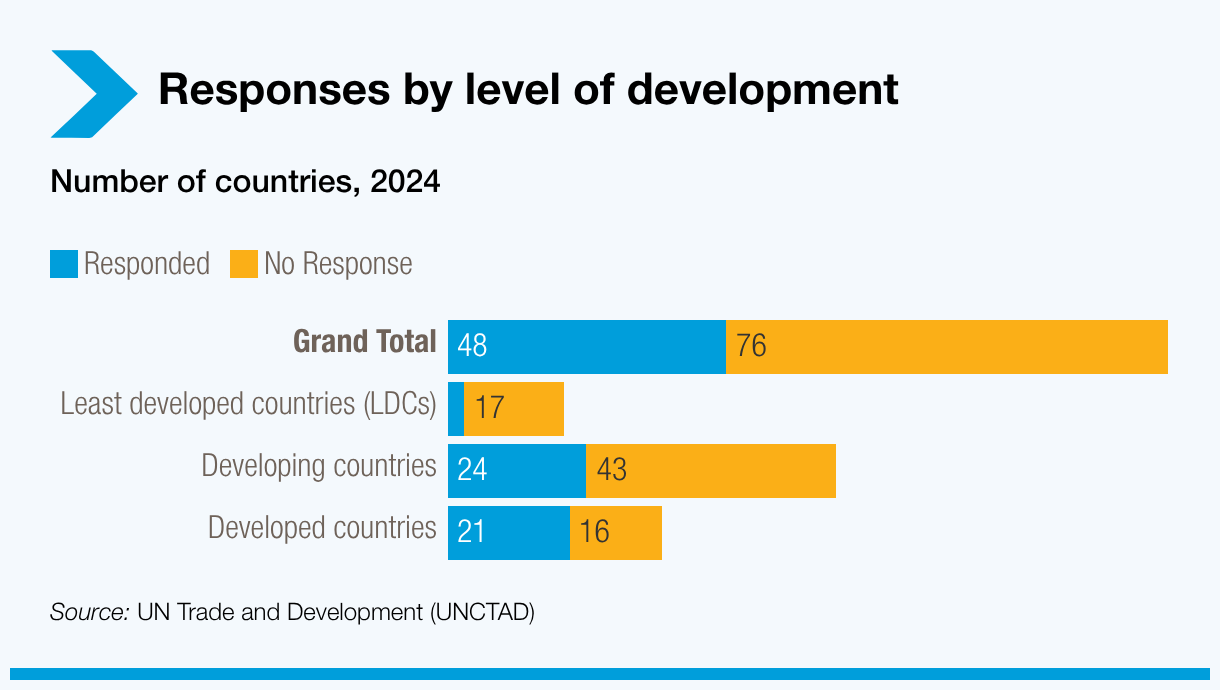
In practice, however, gaps remain. Using a “mystery client” approach, the study found that although nearly three quarters of WTO members have notified the establishment of enquiry points, more than 60% did not manage to respond to a standard trade-related enquiry.
“There remains a need for continuous improvements to enhance response, streamline enquiry management, ensuring that enquiry points become a truly effective tool for trade facilitation rather than a procedural requirement,” the report says.
Why some enquiry points function better
The study, “Trade facilitation enquiry points: Analysis and best practices for operating enquiry points”, shows that performance depends less on formal designation and more on organization and management.
Centralized Enquiry Points – often managed by customs or revenue authorities – tend to operate more reliably than those spread across multiple agencies. Enquiry Points using institutional email addresses are also more likely to respond than those relying on individual staff accounts.
While speed is important, meaningful and accurate replies often require coordination across agencies. Setting realistic response times and managing traders’ expectations can therefore be as important as replying quickly.
Enquiry Points linked to trade information portals also tend to provide clearer and more precise guidance, underscoring the value of integrating them into broader transparency systems.
The study highlights good practices in a range of countries, including developing and least developed countries, showing that effective models can work even with limited resources.
Turning transparency commitments into results
The findings are a clear call for WTO members to move beyond formal compliance and ensure that enquiry points work in practice. A practical, country-specific roadmap, based on existing good practices, can help strengthen service standards, improve responsiveness and support performance monitoring.
National trade facilitation committees can play a central role by coordinating enquiry mechanisms across agencies, tracking performance and promoting the exchange of practical solutions.
UNCTAD support going forward
UNCTAD will continue to support countries in strengthening the operational performance of their enquiry points through targeted technical assistance, capacity-building and advisory services.
The focus will be on improving accessibility, responsiveness and coordination so that transparency delivers tangible benefits for traders, including MSMEs.