Search for a publication
Calendar
Search for a meeting
Search for a project
Written by: Arántzazu Sánchez Belastegui and Lazar Ristic, Article No. 87 [UNCTAD Transport and Trade Facilitation Newsletter N°93 - First Quarter 2022]
Governments, consumer groups and businesses urged to step up efforts to allow consumers to play their part in sustainable development.
Written by: By Paul Akiwumi, Article No. 86 [UNCTAD Transport and Trade Facilitation Newsletter N°93 - First Quarter 2022]
Written by: Vivek Srivastava, Article No. 85 [UNCTAD Transport and Trade Facilitation Newsletter N°93 - First Quarter 2022]
Written by: Yann Duval, Sangwon Lim and Mahezabin Natasha, Article No. 84 [UNCTAD Transport and Trade Facilitation Newsletter N°93 - First Quarter 2022]
Written by: Arántzazu Sánchez Belastegui, Article No. 83 [UNCTAD Transport and Trade Facilitation Newsletter N°93 - First Quarter 2022]
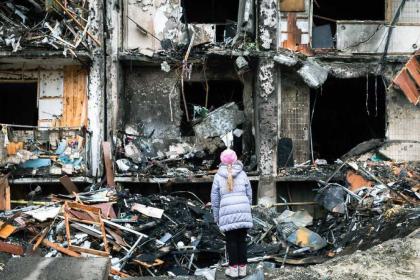
The war in Ukraine has had immediate effects on world food markets. Both Ukraine and Russia are global players on agricultural commodities that are essential for food security, such as wheat, barely, corn or sunflower oil and seeds.
Statement by the Secretary-General of the United Nations Conference on Trade and Development, Rebeca Grynspan, on the situation in Ukraine
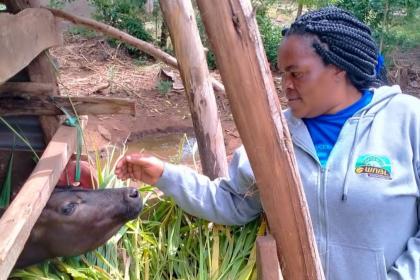
Empowered by UNCTAD’s training, she endured pandemic-induced disruptions with persistence, hard work and business acumen, emerging stronger from the crisis.