

Developing countries take new steps towards stronger cooperation and a collective voice on debt.
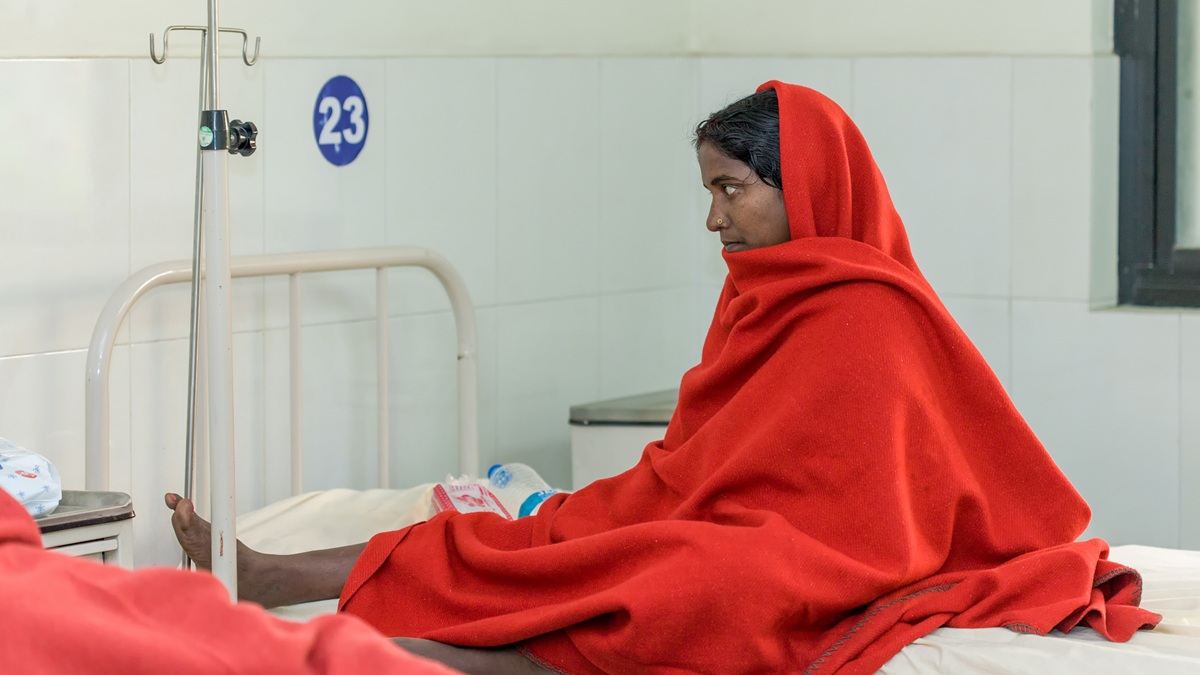
© Shutterstock/Pal Teravagimov | For much of the past decade, developing countries have been paying more to borrow, leaving less money for schools, hospitals and other critical public investments.
Marking a new milestone for the Borrowers’ Platform, the first Governing Council meeting convenes finance ministers, central bank governors and senior officials from developing countries on 12 October.
The meeting, taking place in Bangkok during the IMF–World Bank Annual Meetings, kicks off the Platform’s first annual cycle.
This Member State-led initiative offers a dedicated space for borrower countries to come together, share knowledge, learn from each other and speak collectively on debt issues.
“Developing countries face a perfect storm with geopolitical tensions and conflicts, trade and climate pressures, a lack of adequate financing and high debt-service burdens,” said UN Secretary-General António Guterres in his address to the new Member States of the Platform.
“The Borrowers Platform offers members an opportunity to navigate this storm,” Mr Guterres added.
The UN chief welcomed the commitment of participating countries and highlighted the importance of creating a space where borrowers can share advice, tools and approaches and seize the Platform’s full advocacy potential.
31 developing countries have so far formally joined the Platform, while many others have expressed interest in the initiative.
Since its launch in April, countries have worked through the interim process under the leadership of Egypt as Interim Chair, with UN Trade and Development (UNCTAD) serving as Secretariat.
The interim process has focused on establishing the Platform’s governance and institutional foundations, identifying technical priorities and preparing its first programme of activities.
From challenging debt landscape to practical cooperation
The Borrowers’ Platform brings together countries with different debt profiles and financing circumstances. It has come at a time when developing countries face mounting pressures from debt and debt servicing costs.
The Platform is designed to complement existing international debt mechanisms, rather than replace them. It is not a forum for collective debt restructuring or collective bargaining.
It will provide a space for countries to share experiences and expertise, identify common technical priorities and strengthen their capacity to navigate an increasingly complex global financial environment.
The aim is to promote peer learning and technical assistance, improve access to knowledge and data, and strengthen the participation of borrower countries in international discussions that affect their financing conditions.
The need for such cooperation is growing. UNCTAD’s publication “A world of debt” provides the broader context for these challenges, highlighting the growing pressures that debt places on public finances and development.
Further analysis shows that interest costs in developing countries have risen much faster than government revenues over the past decade. In turn, higher debt-servicing costs can increase pressure on spending for infrastructure, health, education and other areas of essential public investment.
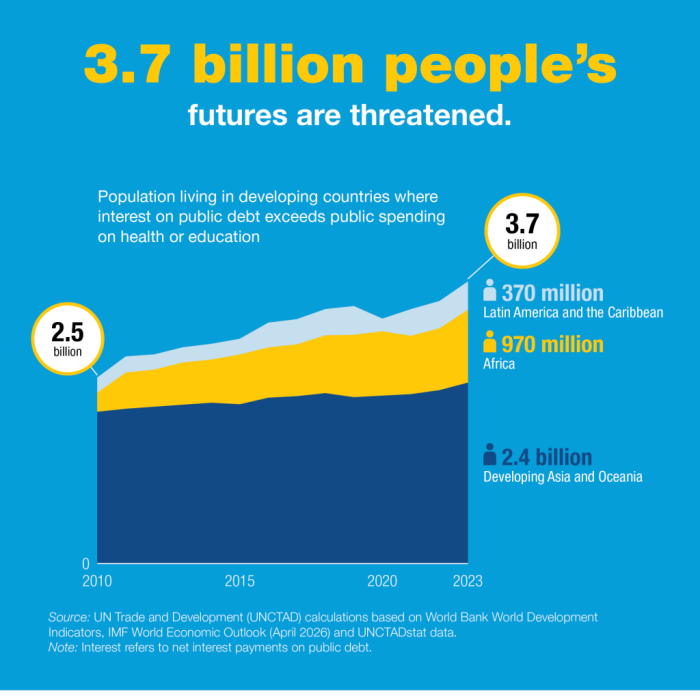
Against this backdrop, better information, stronger debt-management capacity and practical lessons from countries facing similar challenges can have direct economic value.
A stronger voice for borrower countries
For too long, developing countries have faced debt and debt sustainability challenges shaped not only by country specific circumstances but also by systemic features of the international financial architecture.
Existing coordination and negotiation mechanisms have largely been creditor driven, while no permanent borrower-led space existed to facilitate knowledge exchange and collective voice among borrowing countries.
The Borrower’s Platform seeks to address this gap. As Secretary-General Guterres said, “Today, you are taking a seat at the table.”
First Governing Council meeting: Setting the direction
For the Borrowers’ Platform, the first Governing Council meeting marks the transition from establishing its foundations to putting them into practice.
The Governing Council has adopted a communiqué setting out shared priorities and direction for the Platform’s annual cycle. It underscores their commitment to strengthening cooperation among borrower countries, sharing knowledge and expertise, and amplifying their collective voice in international discussions.
The meeting provides political direction for the Platform’s first annual cycle and considers the institutional framework and programme that will guide its work.
The Governing Council is the political tier of the Platform, supported by a Steering Committee of senior officials overseeing its operational work.
The first annual cycle will also mark the confirmation of the Platform’s new Chair and Troika, alongside consideration of the Modalities of the Borrowers Platform.
Egypt, as Interim Chair, has successfully led the Platform through its establishment phase. Secretary-General Guterres also expressed appreciation for Egypt’s leadership and for the UNCTAD Secretariat’s support and expertise throughout the process.
“As your Secretariat, UN Trade and Development is ready: peer learning shaped by your priorities, a knowledge base drawn from decades of research, and the hands-on support that strengthens every member’s position,” said Acting Secretary-General Pedro Manuel Moreno.
Over 100 developing countries have been invited to participate in the initiative.
Learn more about the Borrowers’ Platform on its official website.