

A dedicated space for developing countries to collectively strengthen their voice is increasingly crucial as rising borrowing costs squeeze development spending.
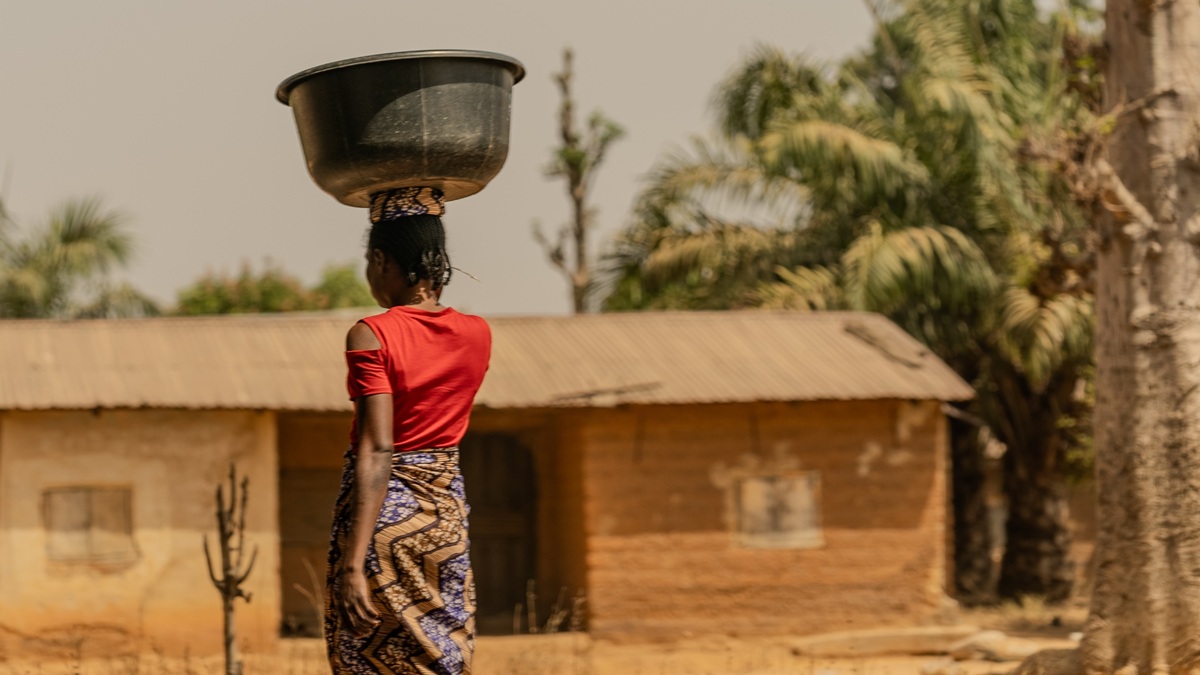
© Shutterstock/Oni Abimbola | Rising debt burdens are forcing many developing countries to divert public revenues from essential services such as health, education, and water and sanitation.
The Borrowers’ Platform is gaining fresh impetus as countries prepare for its first Governing Council meeting in Bangkok on 12 October.
At an information session recently held at UN Trade and Development (UNCTAD), participants highlighted substantive progress since the Platform’s launch and called for wider participation.
Representatives from more than 30 countries took part in the session, reflecting growing interest in the Member State-led, UN-backed initiative.
“The platform offers borrower countries a dedicated space to work together and share knowledge towards finding a sustainable solution for the debt issues,” said Ambassador Alaa Hegazy of Egypt, Interim Chair of the Borrowers’ Platform.
“It's a cross-regional space where countries facing the same challenge of increasing debt burden have some place or some forum to discuss these issues,” the ambassador added.
A stronger, collective voice amid mounting debt pressure
Hailed as “a breakthrough in global financing,” borrowing countries launched the Borrowers’ Platform in April in the presence of UN Secretary-General António Guterres.
Since then, countries have worked through an interim phase led by Egypt and supported by UNCTAD as Secretariat.
They have established the Platform’s governance arrangements, identified technical priorities, laid the foundations for its first annual cycle and delivered its first peer-learning workshop in the Maldives.
The initiative addresses a long-standing gap in the international financial architecture, offering a dedicated space where borrowing countries can come together, share knowledge, exchange experiences and strengthen their collective voice on debt issues.
This need is becoming increasingly pressing as debt burdens put pressure on public finances. Countries need to be able to share what works and what doesn’t, as both offer important lessons.
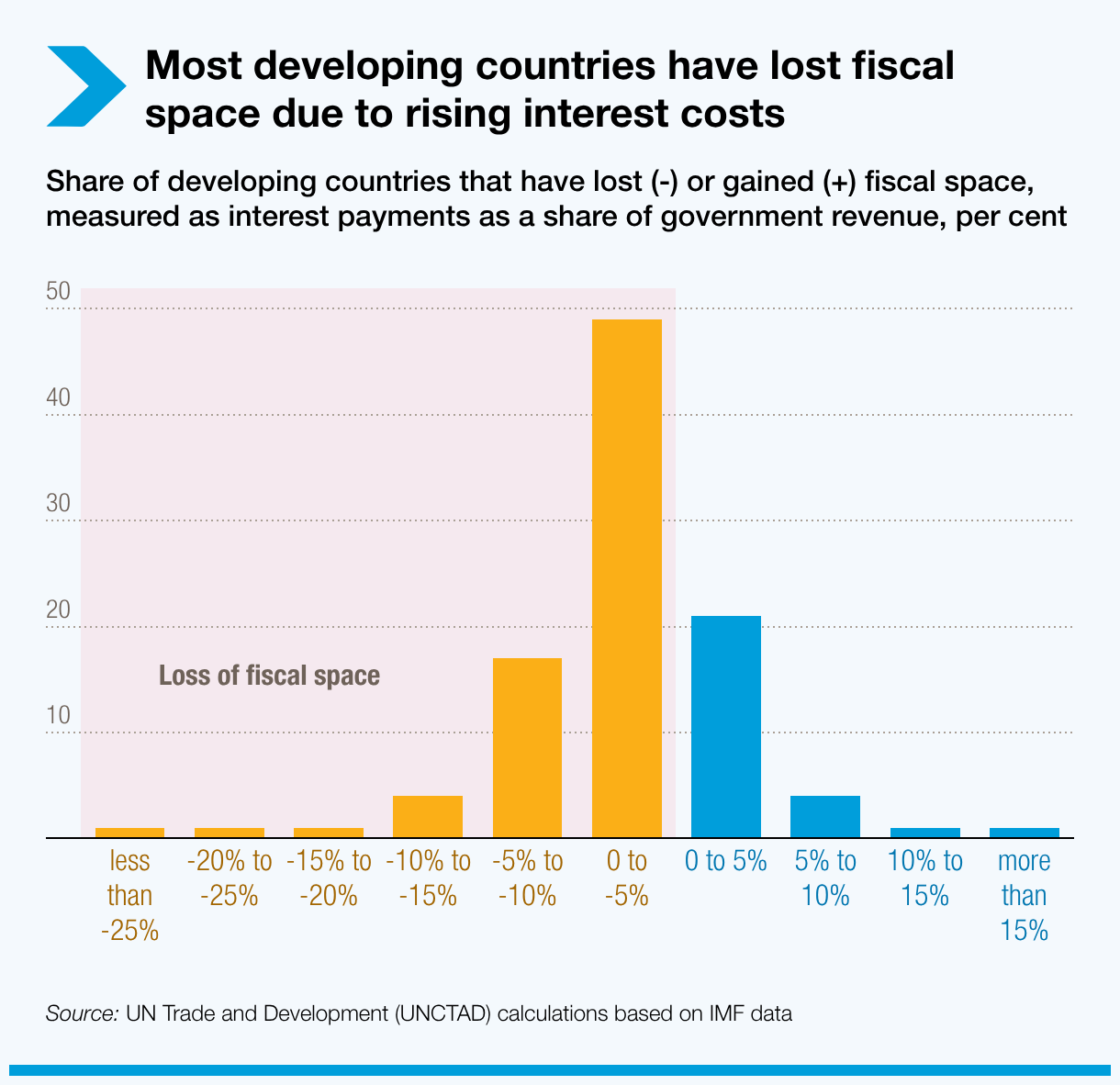
UNCTAD analysis shows that, over the past decade, borrowing costs have grown much faster than government revenues.
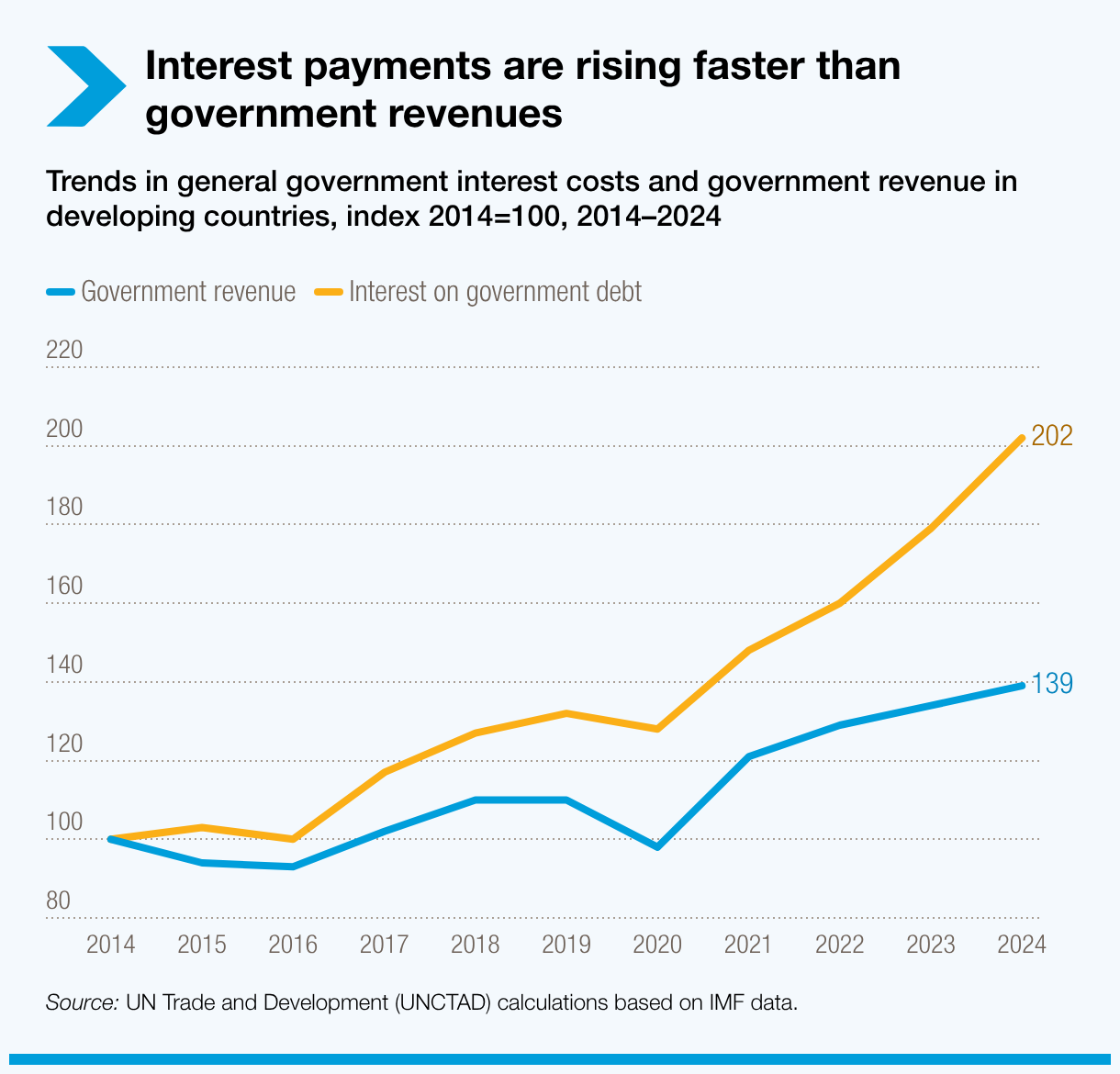
Between 2018 and 2024, rising interest payments reduced the fiscal space available for development in 99 developing countries, home to 5.5 billion people.
Against this backdrop, the Borrowers’ Platform aims to provide a practical space for peer learning, knowledge sharing and capacity building. It will also support targeted technical assistance and develop a shared repository of experience, data and case studies.
Membership of the Platform is voluntary and open to eligible net-borrowing developing countries, with no financial obligation for joining.
The Platform is designed to complement existing international debt mechanisms, rather than replace them. It is not a forum for collective debt restructuring nor a collective bargaining body.
From launch to first annual cycle
The Platform’s governance is built around a ministerial-level Governing Council, which provides political direction, and a Steering Committee of senior technical officials, which oversees operational work. A rotating Chair will be elected annually by member countries.
The first Governing Council will meet in Bangkok on 12 October, on the margins of the IMF–World Bank Annual Meetings.
The meeting is expected to confirm the Platform’s membership, adopt its foundational Modalities document, and elect its first Chair. A joint Communiqué will outline shared priorities.
More than 100 developing countries have been invited to participate. Countries interested in joining can learn more and express their interest through the Borrowers’ Platform’s dedicated website.