

- Developing countries are home to most of the world's biodiversity.
- Yet they capture only a fraction of the value generated by biodiversity-based trade.
- A new UNCTAD report examines how trade and investment policies can help close this gap while supporting conservation and sustainable development.
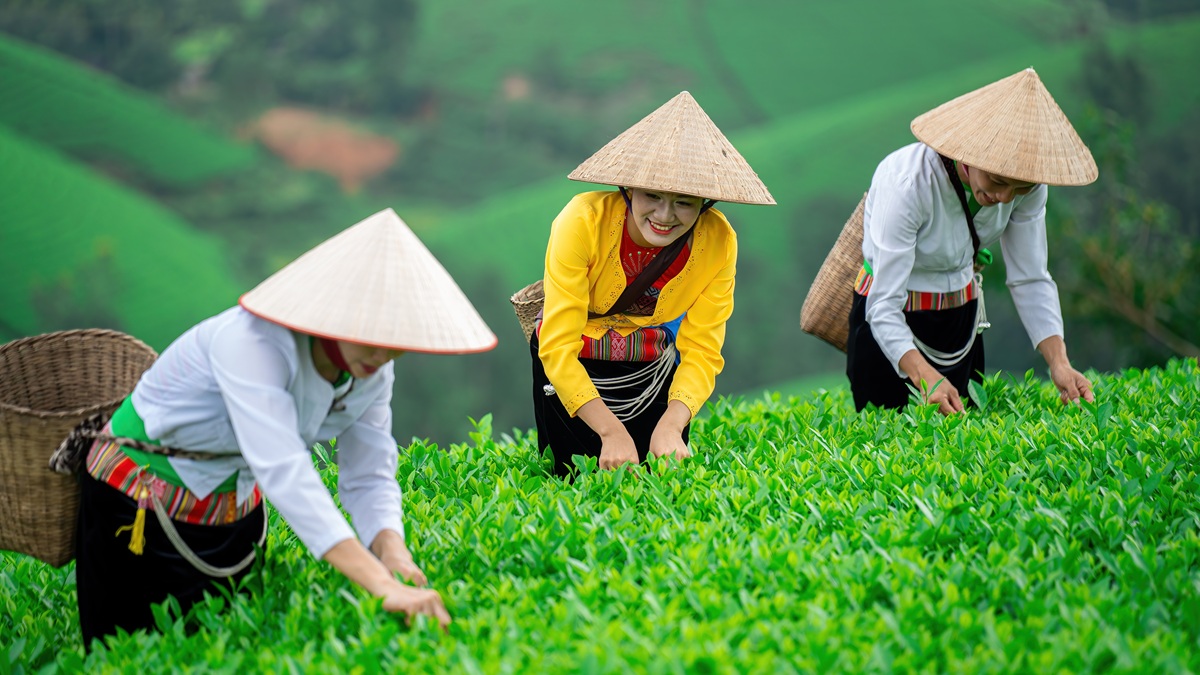
© Shutterstock/Dong Nhat Huy | A tea farm in Phu Tho Province, Vietnam.
Biodiversity-based products accounted for 17.3% of global merchandise trade in 2024. But participation in this growing market remains highly uneven.
Countries that are home to biological resources do not always benefit from the higher-value activities that follow, such as processing, manufacturing and product development.
In this monthly Global Trade Update, UN Trade and Development (UNCTAD) examines how trade policies and investment can help close this gap while safeguarding biodiversity.
The report comes ahead of the 2026 UN Biodiversity Conference, taking place from 19 to 30 October in Yerevan, Armenia.
The conference will review progress towards implementing the Kunming-Montreal Global Biodiversity Framework and its goals to halt and reverse biodiversity loss by 2030.
It offers an opportunity to consider how trade can support global biodiversity goals while advancing sustainable and inclusive development.
“Achieving this balance is possible but will depend on effective safeguards, legal access and fair and equitable benefit-sharing, stronger productive capacity, access to technology, regional and trade cooperation, sustainable use and trading practices and affordable finance,” the report says.
A gap between biodiversity-richness and export earnings
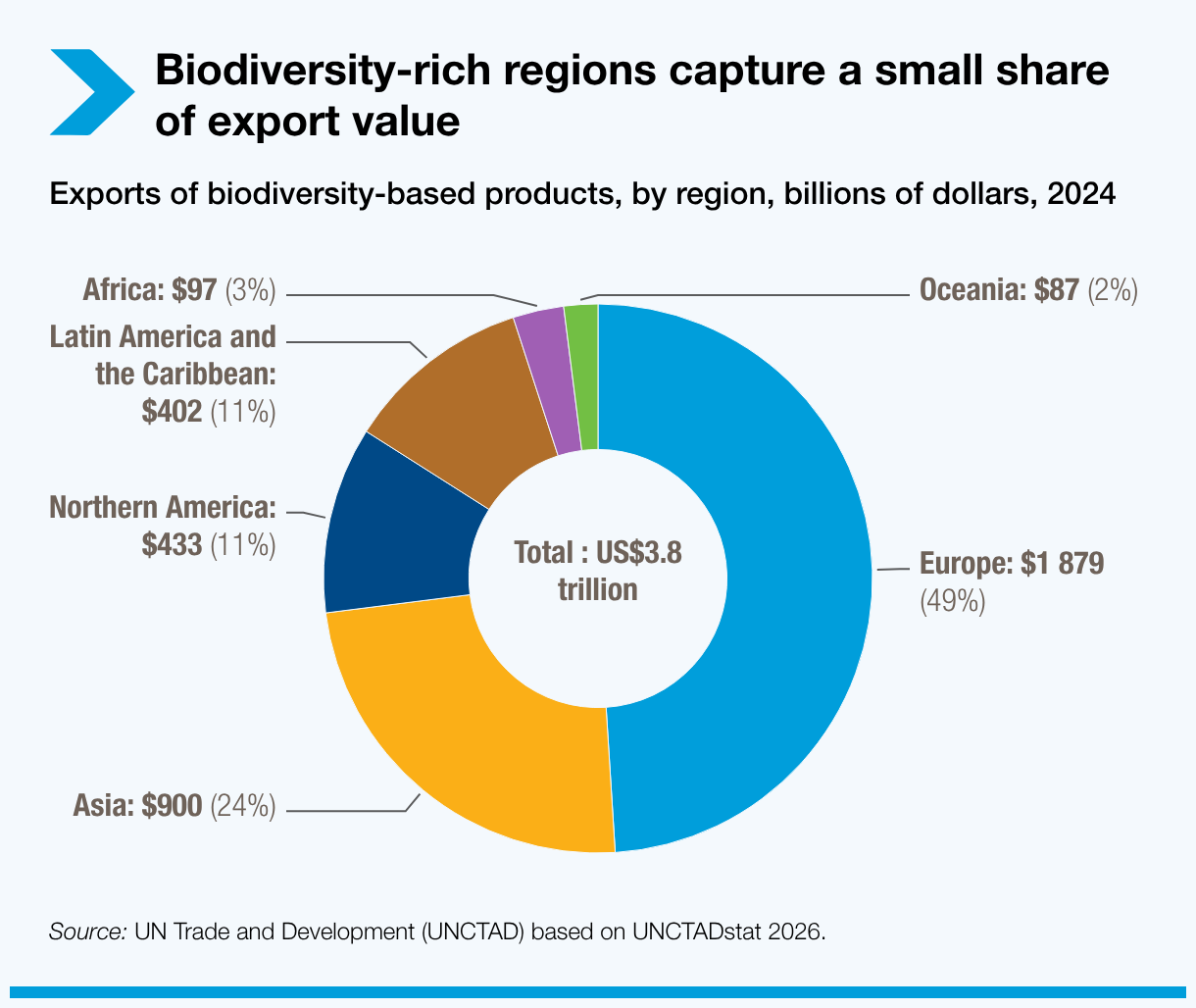
Global exports of about 1800 biodiversity-based products reached nearly $3.8 trillion in 2024, yet developing countries accounted for only about 35% of the total.
Africa and Latin America and the Caribbean, together home to roughly two thirds of the world's biodiversity, accounted for just 3% and 11% of global exports, respectively, compared with 49% for European economies.
The challenge is not simply to export more products, but to retain greater value locally through processing and circular use while safeguarding biodiversity, the UNCTAD report underscores.
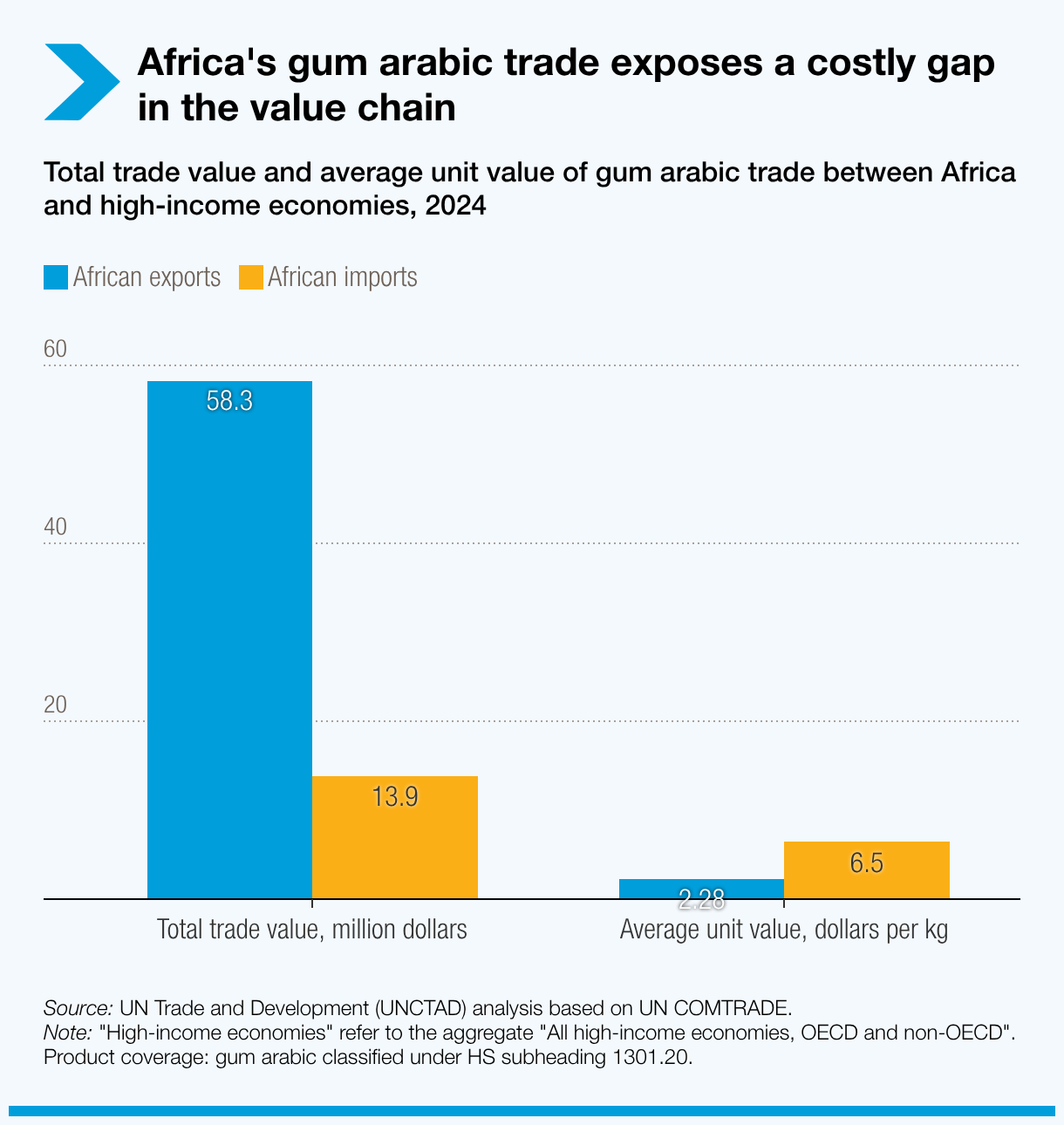
In 2024, African economies exported gum arabic to high-income economies at an average price of $2.28 per kilogram, while imports of the same product from those markets averaged $6.50 per kilogram. This price gap illustrates the development opportunity that processing and value addition can bring.
In Kenya, a project transformed more than 3,300 tonnes of pineapple leaves, traditionally burnt after harvest, into over 100 tonnes of textile-grade fibre and around 800 tonnes of compost.
Addressing trade barriers
Tariffs, complex regulations, unevenly shared costs related to sustainability standards across the value chain, and limited access to finance can make it harder for developing-country producers and small businesses to compete in international markets.
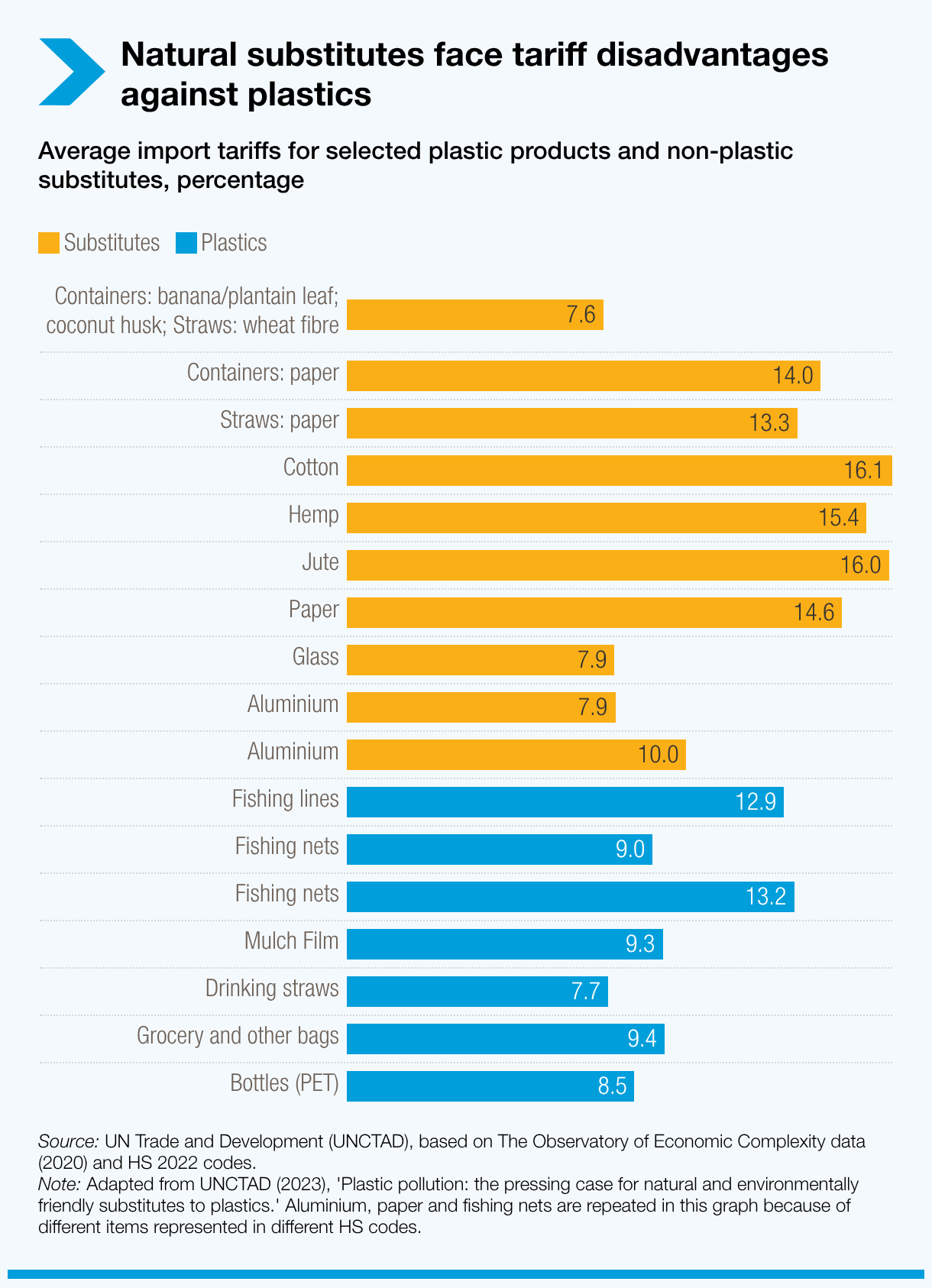
Natural alternatives to plastics, including cotton, jute, hemp and paper-based products, can face average import tariffs of up to 16.1%, comparable to or higher than those applied to many plastic products.
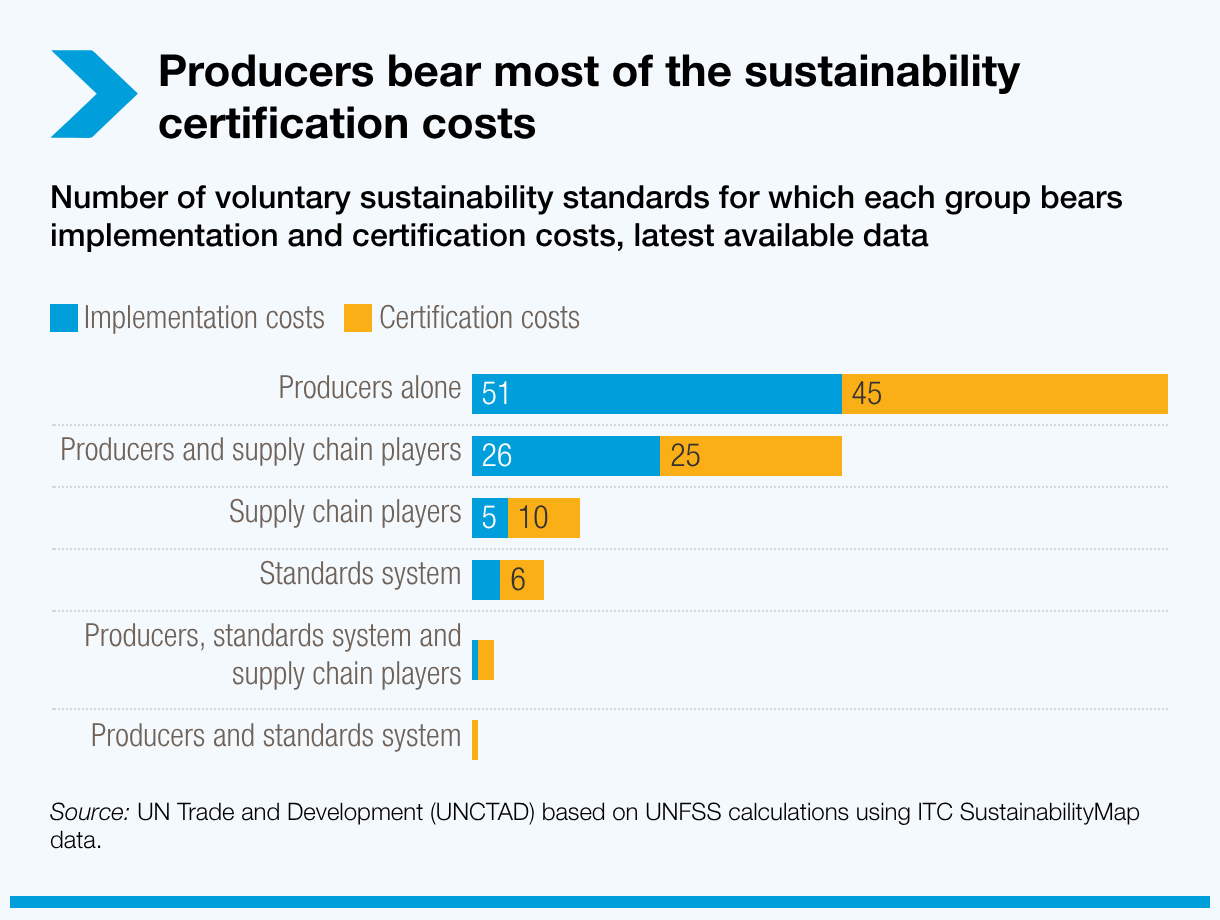
Analysis cited in the report found that in the majority of sustainability standards reviewed, producers alone bore both implementation and certification costs — with little support from buyers or governments.
Turning biodiversity into shared development gains
Aligning trade, industrial and biodiversity policies can help developing countries retain more value from biodiversity-based trade while protecting the natural resources on which it depends.
Achieving this balance is possible, the report concludes - but it will require more than market access.
Effective safeguards, fair and equitable benefit-sharing with Indigenous Peoples and local communities, stronger productive capacity, access to technology and affordable finance, and coherent trade and biodiversity policies must all advance together.
The 2026 UN Biodiversity Conference offers a timely opportunity to translate this agenda into concrete commitments and consider how trade can support global biodiversity goals while advancing sustainable and inclusive development - an alignment that UNCTAD argues is both necessary and achievable.